Australia in next 3 month
January in Australia varies by region. In the northern parts, it is typically hot and humid with occasional rain showers and moderate air quality. In the southern parts, it is warm and sunny with good air quality.
Usual trip duration
For a week-long trip to Australia, you can explore the iconic Sydney Opera House, visit the Great Barrier Reef, experience the vibrant city life in Melbourne, and take a road trip along the Great Ocean Road.
Moderately expensive to very expensive
The best time to visit Australia depends largely on which part of the country you plan to explore. Generally, the shoulder seasons (spring: September-November and autumn: March-May) offer the most pleasant weather nationwide. These months avoid the intense heat and humidity of summer (December-February) in many regions and the cooler temperatures of winter (June-August). For exploring the northern parts of Australia like Queensland and the Northern Territory, the dry season (May-October) is ideal, offering sunny days and less humidity. In contrast, the southern states like Victoria and Tasmania are best visited during the warmer months. Traveling during the shoulder seasons also often means fewer crowds and potentially lower prices on flights and accommodation compared to the peak summer holiday period. Consider your specific interests – whale watching, surfing, hiking – when planning your trip, as some activities are seasonal.
Australia is a major international travel hub, well-connected to the rest of the world via numerous airlines. Most international flights arrive at major airports in Sydney (SYD), Melbourne (MEL), Brisbane (BNE), Perth (PER), and Adelaide (ADL). Several airlines operate direct flights to Australia from North America, Europe, Asia, and the Middle East. Qantas, the Australian national carrier, offers extensive international routes, as do other major airlines like Emirates, Singapore Airlines, United Airlines, and British Airways. When planning your trip, be sure to factor in the long travel times, especially from North America and Europe. Consider breaking up the journey with a stopover to ease jet lag. Once in Australia, a comprehensive domestic flight network makes it easy to travel between different cities and regions.
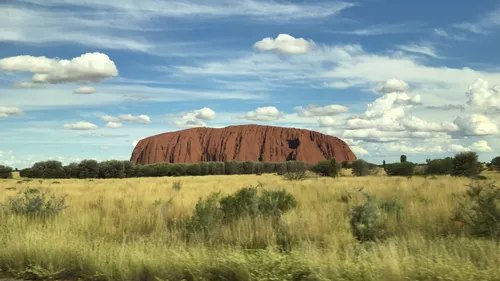
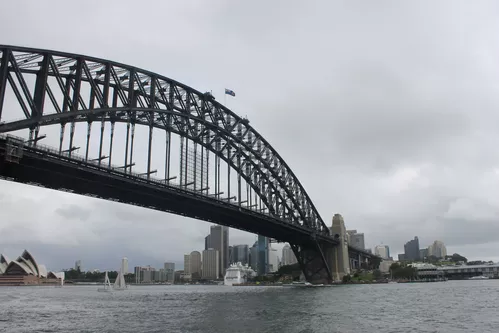
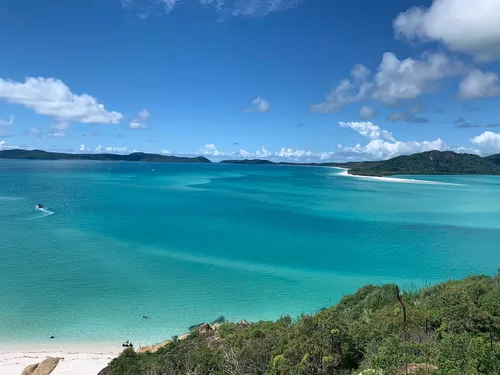
Australia boasts a wealth of iconic attractions that cater to diverse interests. The Great Barrier Reef, a UNESCO World Heritage Site, is a must-see for snorkeling and diving enthusiasts. Uluru (Ayers Rock) in the heart of the Outback offers a spiritual and visually stunning experience, especially at sunrise and sunset. Sydney Opera House and Harbour Bridge are architectural marvels that define Sydney's skyline. The Twelve Apostles along the Great Ocean Road in Victoria provide breathtaking coastal views. For nature lovers, Kakadu National Park in the Northern Territory showcases ancient Aboriginal rock art and diverse wildlife. Don't miss the opportunity to explore the vibrant cities like Melbourne, known for its laneway cafes and arts scene, and Brisbane, with its relaxed outdoor lifestyle. A trip to Australia isn't complete without experiencing its unique wildlife, so visit national parks and wildlife sanctuaries to see kangaroos, koalas, and other native animals in their natural habitat. Remember to factor in travel time between these attractions, as Australia is a vast country.
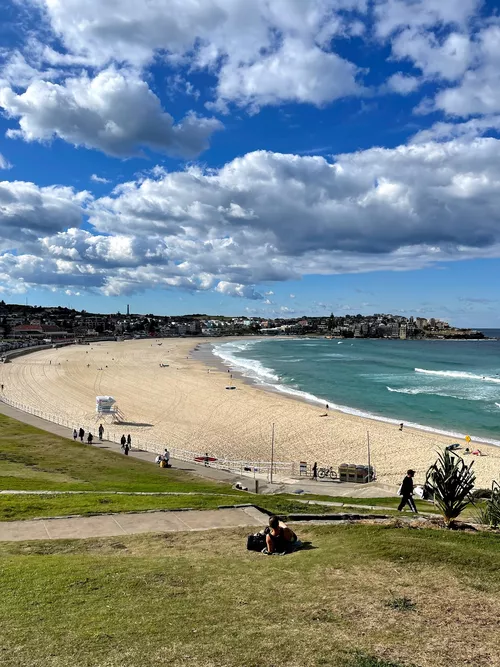
Australia offers a wide range of activities to suit every traveler's interest. Surfing is incredibly popular, with world-renowned surf beaches along the coast. Snorkeling and diving on the Great Barrier Reef are unforgettable experiences. Hiking and bushwalking are great ways to explore Australia's diverse landscapes, from rainforests to mountains to deserts. Wine tasting in regions like the Barossa Valley and Margaret River is a must for wine lovers. Wildlife encounters, such as whale watching, kangaroo spotting, and visits to koala sanctuaries, are very popular. Exploring Aboriginal culture through guided tours and cultural centers provides insights into the country's ancient history. For adventure seekers, there's everything from skydiving and bungee jumping to white-water rafting and rock climbing. Relaxing on pristine beaches, enjoying barbecues, and experiencing the laid-back Australian lifestyle are also essential parts of any trip. Remember to check for any permits or restrictions before engaging in outdoor activities, especially in national parks.
While Australia itself offers an immense array of attractions, there are also several nearby island nations and territories that can be combined for a more extended trip. New Zealand, with its stunning landscapes and adventure activities, is a popular option, easily accessible by a short flight. Fiji and other Pacific Islands like Vanuatu and Samoa offer beautiful beaches, clear waters, and unique cultural experiences. Indonesia, particularly Bali, is another nearby destination known for its surfing, temples, and vibrant nightlife. Papua New Guinea offers a more adventurous experience with its diverse cultures and rugged terrain. When planning a multi-destination trip, be sure to check visa requirements and travel advisories for each country. Consider the different climates and seasons as well to ensure you pack appropriately. A combination of Australia and one of these nearby destinations can create an unforgettable travel experience.
Australia offers a diverse range of shopping experiences, from high-end boutiques to bustling markets. Sydney's Queen Victoria Building (QVB) is a historic landmark with a wide selection of designer stores and souvenirs. Melbourne's laneways are famous for their unique boutiques and independent shops. For Aboriginal art and crafts, visit galleries and art centers in Alice Springs and other parts of the Northern Territory. Weekend markets, like the Queen Victoria Market in Melbourne and the Rocks Markets in Sydney, are great places to find local produce, handicrafts, and souvenirs. For high-end fashion, head to Chadstone Shopping Centre in Melbourne or Pitt Street Mall in Sydney. Don't forget to check out local Australian brands for clothing, skincare, and other unique products. Duty-free shopping is available at international airports, allowing you to purchase goods without paying taxes. When shopping, be aware of biosecurity regulations regarding the export of certain items, such as native plants and animals.
Australia's culinary scene is as diverse as its landscape, with a wide range of restaurants and dining experiences to choose from. Sydney and Melbourne are known for their world-class restaurants and innovative cuisine. For seafood lovers, try restaurants along the coast that offer fresh catches of the day. The Barossa Valley and Margaret River wine regions offer exceptional dining experiences paired with local wines. Don't miss the opportunity to try modern Australian cuisine, which blends international influences with native ingredients. Explore the vibrant food markets, like the Adelaide Central Market, for fresh produce and local specialties. For a unique dining experience, consider a meal at an outback pub or a bush tucker tour, where you can sample native Australian foods. Remember to make reservations in advance, especially for popular restaurants. Be sure to also check out the local coffee culture; Australia is known for its excellent coffee shops and baristas.
Visa requirements for Australia vary depending on your nationality. Most tourists need to apply for a visa before traveling. The most common type of visa for tourists is the Electronic Travel Authority (ETA) or the Visitor visa (subclass 600). The ETA is available for citizens of certain countries and is typically processed quickly online. The Visitor visa (subclass 600) is for those who are not eligible for the ETA and requires a more detailed application process. It's essential to check the specific requirements for your nationality on the Australian Department of Home Affairs website well in advance of your trip. You'll need to provide information about your travel plans, passport details, and financial status. Some nationalities may also require a medical examination or police clearance certificate. Ensure your passport is valid for at least six months beyond your intended stay in Australia. It's always best to apply for your visa well in advance to avoid any delays or complications.
Exploring Australia's Outback is an unforgettable experience, but it requires careful planning and preparation. The Outback is a vast and remote area with extreme temperatures, limited services, and challenging terrain. Before you go, research your route and check weather conditions. Ensure your vehicle is suitable for off-road driving and in good condition. Carry plenty of water, food, fuel, and spare tires. A satellite phone or emergency beacon is essential for communication in remote areas. Inform someone of your travel plans and estimated return date. Be aware of the risks of dehydration, heatstroke, and encounters with wildlife. Wear appropriate clothing, including a hat and sunscreen. Avoid driving at night due to the risk of animal crossings. Familiarize yourself with basic first aid and have a comprehensive first-aid kit. Consider taking a 4WD driving course to improve your skills. Respect the environment and leave no trace behind. By taking these precautions, you can enjoy a safe and rewarding Outback adventure.
Tipping is not as common in Australia as it is in some other countries, such as the United States. It is generally not expected in restaurants, cafes, or taxis. However, it is becoming more common to tip for exceptional service. If you are pleased with the service, you can tip around 10% of the bill, but it is entirely at your discretion. In some higher-end restaurants, a service charge may be included for large groups. There are a few other customs to be aware of in Australia. It is customary to greet people with a handshake and to say “G'day” (good day) or “How are you going?” Australians are generally informal and direct in their communication. It is considered polite to say “please” and “thank you.” When invited to someone's home, it is customary to bring a small gift, such as a bottle of wine or a dessert. Be aware of local laws and regulations, especially regarding alcohol consumption and smoking. Australia is a multicultural country, so be respectful of different cultures and customs.
Australia's vast size means it experiences a wide range of climates and weather patterns across its different regions. The northern part of Australia, including Queensland and the Northern Territory, has a tropical climate with a distinct wet and dry season. The wet season (November to April) is characterized by high humidity, heavy rainfall, and the risk of cyclones. The dry season (May to October) is sunny and less humid. The southern states, including Victoria, Tasmania, and South Australia, have a temperate climate with four distinct seasons. Summers are warm and dry, while winters are cool and wet. New South Wales has a subtropical climate with warm summers and mild winters. Western Australia has a diverse climate, ranging from Mediterranean in the southwest to arid in the interior. The Outback experiences extreme temperatures, with hot days and cold nights. It's essential to research the specific climate of the regions you plan to visit and pack accordingly. Be prepared for sudden changes in weather, especially in mountainous areas.
Australia has high levels of ultraviolet (UV) radiation, so it's crucial to protect yourself from the sun. Wear sunscreen with a high SPF (at least 30), a hat, and sunglasses whenever you are outdoors. Avoid prolonged sun exposure, especially during the peak hours of 10 am to 4 pm. Stay hydrated by drinking plenty of water. Be aware of the risks of heatstroke and dehydration, especially in the Outback. When swimming, be aware of strong currents and marine stingers. Swim at patrolled beaches and follow the advice of lifeguards. Be cautious around wildlife, as some animals can be dangerous. Keep a safe distance from kangaroos, snakes, and crocodiles. Do not feed wild animals, as this can alter their behavior. Be aware of the risks of mosquito-borne diseases, such as Ross River virus and dengue fever. Use insect repellent and wear long sleeves and pants, especially at dawn and dusk. If you experience any symptoms of illness, seek medical attention promptly. Ensure you have adequate travel insurance to cover any medical expenses.