Baku in next 3 month
December in Baku is cold with occasional snowfall and moderate air quality.
Usual trip duration
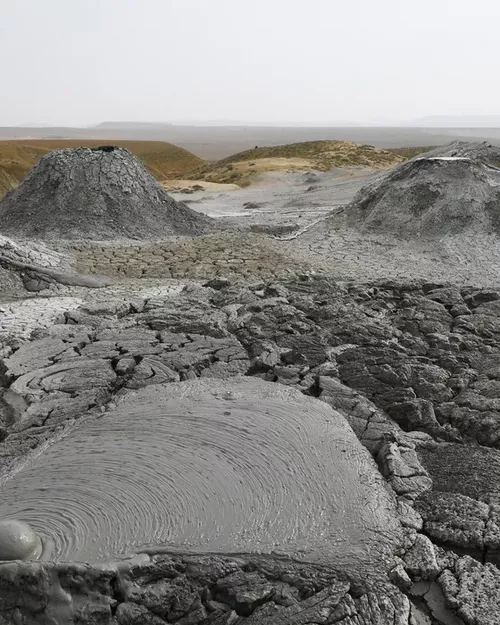
A 3-4 day trip to Baku allows you to explore the city's rich history, visit iconic landmarks such as the Flame Towers and Maiden Tower, indulge in delicious Azerbaijani cuisine, and take a day trip to the beautiful Gobustan National Park.
Moderate to expensive
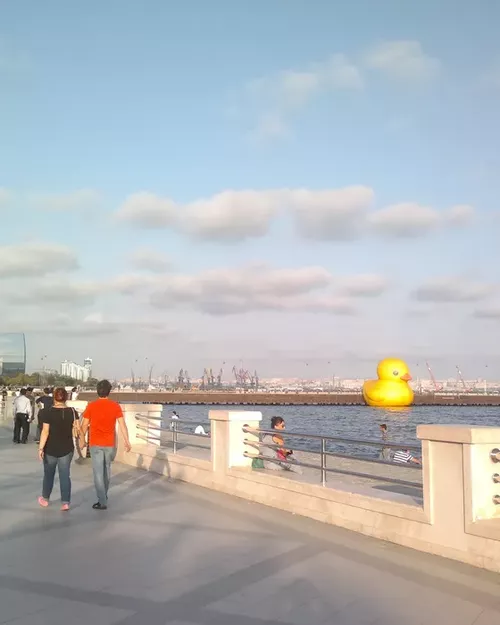
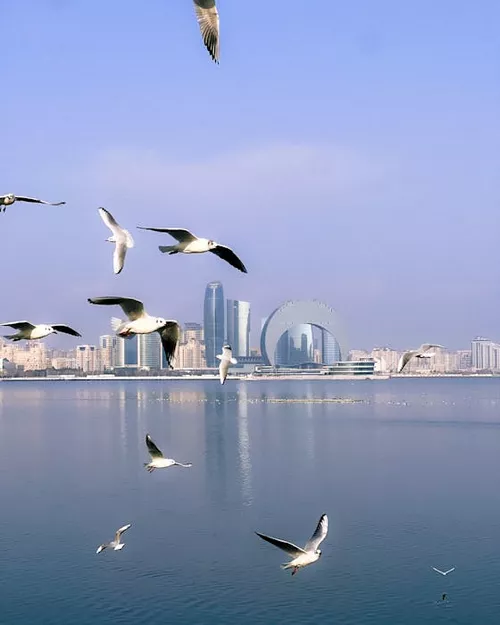
The best time to visit Baku is during the spring (April-June) and autumn (September-October) months. The weather is mild and pleasant, making it ideal for exploring the city's attractions without the intense heat of summer or the occasional chilly winds of winter. During these months, you can comfortably enjoy outdoor activities, stroll along the Caspian Sea coastline, and participate in various cultural events and festivals. The shoulder seasons offer a balance of favorable weather, fewer crowds compared to the peak summer months, and beautiful blooming landscapes in spring and vibrant autumn colors.
While summer (July-August) can be hot and humid, it's still a popular time for tourists, especially those interested in beach activities. Winter (November-March) can be cooler and sometimes windy, but it provides a unique opportunity to experience a different side of Baku, with fewer tourists and the chance to see snow in the surrounding areas.
Baku is well-connected to the world via air, land, and sea. Here's a breakdown of how you can reach Baku:
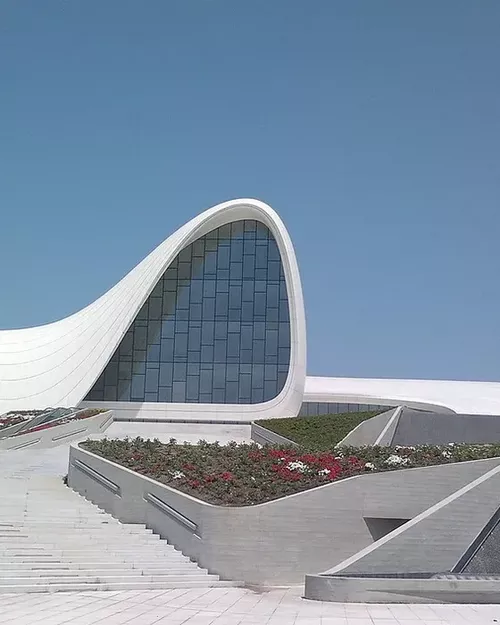
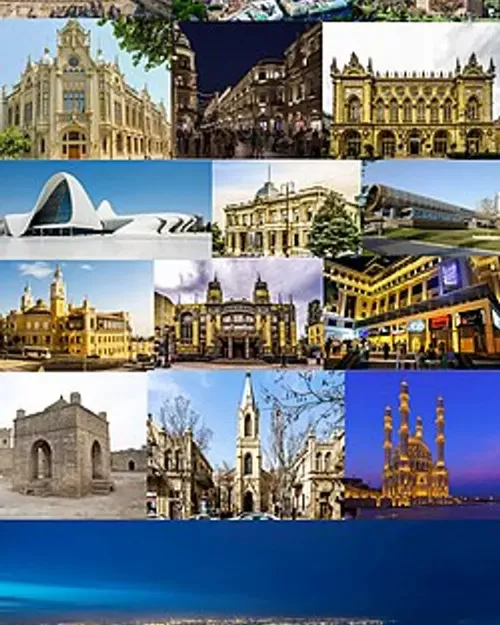
Baku boasts a rich blend of historical landmarks and modern architectural marvels. Here are some of the top attractions you shouldn't miss:
Baku offers a wide array of activities to suit various interests. Here are some popular options:
Several interesting destinations are within a reasonable distance from Baku, making them ideal for day trips or short excursions:
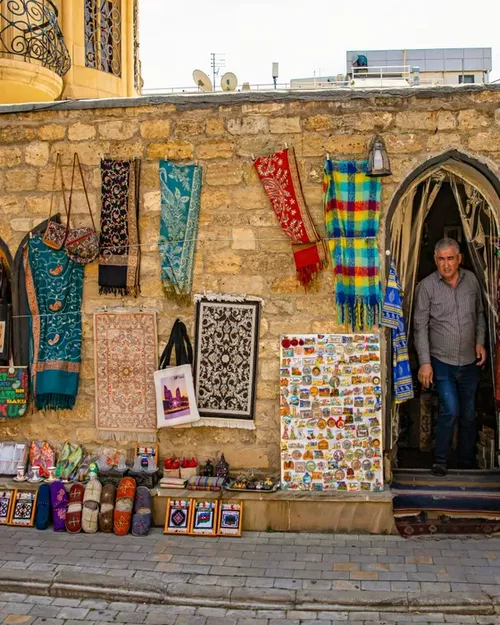
Baku offers a diverse shopping experience, from traditional bazaars to modern shopping malls. Here are some of the best places to indulge in retail therapy:
Baku offers a delicious culinary scene with a mix of traditional Azerbaijani cuisine and international flavors. Here are some of the best places to eat, from fine dining to street food:
The local currency in Azerbaijan is the Azerbaijani Manat (AZN). While credit cards are accepted in many establishments in Baku, especially in hotels, restaurants, and larger shops, it's always a good idea to carry some cash, particularly when visiting smaller shops, markets, or rural areas. Visa and Mastercard are the most widely accepted credit cards. ATMs are readily available throughout the city, making it easy to withdraw cash when needed. Be sure to inform your bank of your travel plans to avoid any issues with your card being blocked.
It's advisable to have smaller denominations of Manat for smaller purchases and for tipping, which is customary in restaurants and for services. Exchanging currency can be done at banks, exchange offices, and at the airport upon arrival. It's recommended to compare exchange rates before exchanging your money to get the best deal.
While Azerbaijani is the official language, English is becoming increasingly common in Baku, particularly in tourist areas, hotels, and restaurants. Many younger people and those working in the tourism industry have a good command of English. However, it's helpful to learn a few basic Azerbaijani phrases, such as "Salam" (Hello), "Sag olun" (Thank you), and "Xahish ediram" (You're welcome). This can enhance your interactions with locals and show your respect for their culture.
In areas outside of the main tourist zones, you may encounter fewer English speakers, so having a translation app or a phrasebook can be useful. Overall, communication in Baku is generally not a major issue for English-speaking travelers.
Understanding and respecting local customs and etiquette can greatly enhance your experience in Baku. Here are a few tips to keep in mind:
Baku is generally considered a safe city for tourists. Petty crime is relatively low, and violent crime is rare. However, it's always wise to take precautions, such as being aware of your surroundings, avoiding walking alone in poorly lit areas at night, and keeping your valuables secure. Be particularly cautious of pickpockets in crowded areas, such as markets and public transportation.
It's also advisable to register with your embassy or consulate upon arrival in Azerbaijan, and to have travel insurance that covers medical expenses and theft. In case of emergency, dial 102 for the police, 103 for ambulance, and 101 for the fire department. Overall, Baku is a welcoming and safe destination for travelers.
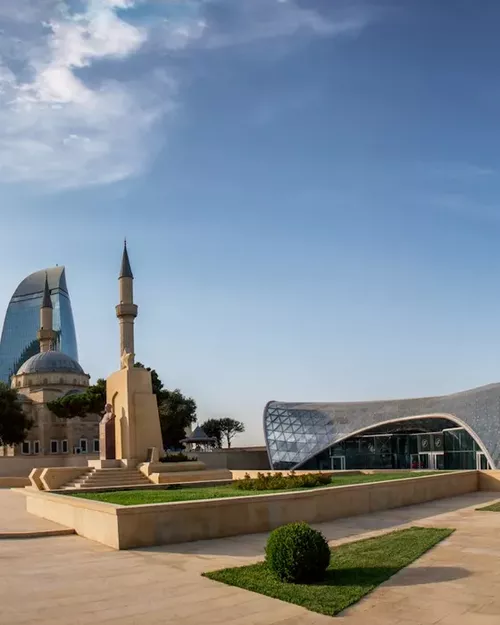
The Flame Towers are not just visually striking skyscrapers; they hold a deep symbolic significance for Azerbaijan. These three flame-shaped towers represent Azerbaijan's nickname, "The Land of Fire," a reference to the country's rich natural gas reserves and historical Zoroastrian traditions, where fire held great religious importance. The dynamic LED displays that light up the towers at night further enhance this symbolism, creating a mesmerizing spectacle of dancing flames that can be seen from all over the city.
Beyond their symbolic meaning, the Flame Towers also represent Azerbaijan's modern aspirations and its growing economic strength. They are a symbol of Baku's transformation into a vibrant, modern metropolis and a testament to the country's progress and development in the 21st century. As a prominent landmark on Baku's skyline, the Flame Towers serve as a powerful reminder of Azerbaijan's history, culture, and future ambitions.