Bijapur in next 3 month
December in Bijapur is cool and misty with moderate air quality, making it a pleasant time to visit.
Usual trip duration
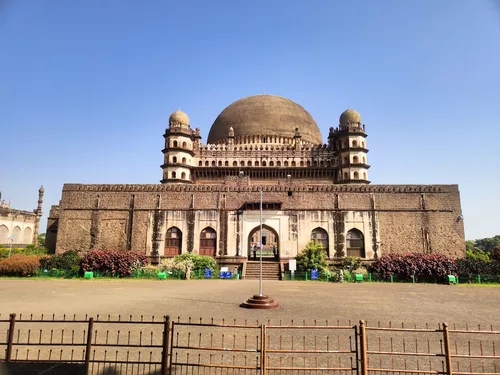
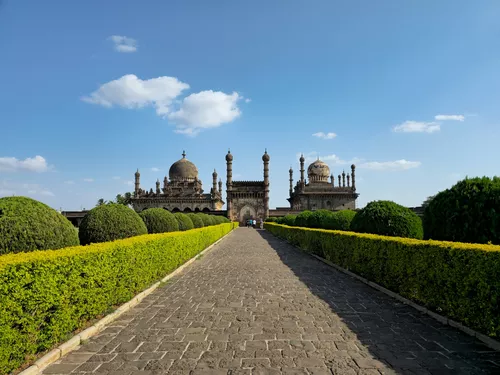
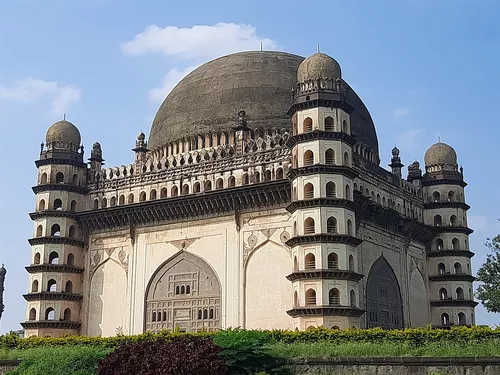
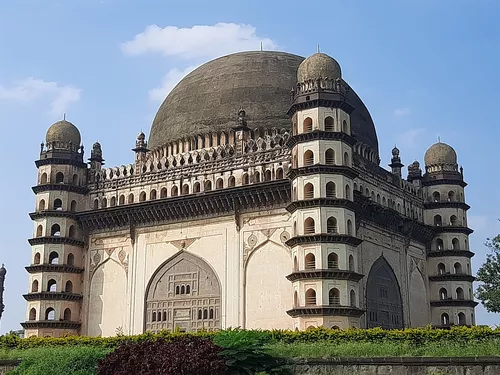
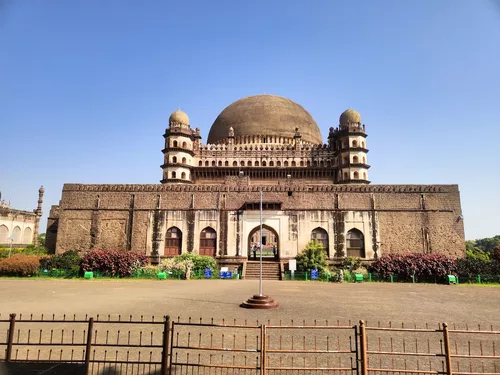
A 2-3 day trip to Bijapur allows you to explore the historical and architectural wonders of the city, including the Gol Gumbaz, Ibrahim Rauza, and Jod Gumbaz. You can also immerse yourself in the rich culture and heritage of the region.
Affordable destination with low cost of living
The best time to visit Bijapur, now known as Vijayapura, is during the winter months, from October to March. The weather during this period is pleasant and ideal for exploring the historical sites and monuments. The temperature ranges from a comfortable 20°C to 30°C, making it perfect for sightseeing without the discomfort of extreme heat. Avoiding the summer months, particularly April and May, is advisable as temperatures can soar to over 40°C, making it challenging to explore the city during the day. The monsoon season, from June to September, brings heavy rainfall, which can also disrupt travel plans and outdoor activities. Therefore, planning your visit between October and March will ensure a more enjoyable and comfortable experience while discovering the rich history and architectural marvels of Bijapur.
Reaching Bijapur, or Vijayapura, is convenient through various modes of transportation. Here’s a detailed guide:
Once you arrive in Bijapur, local transport options include auto-rickshaws and taxis for getting around the city and visiting the various historical sites.
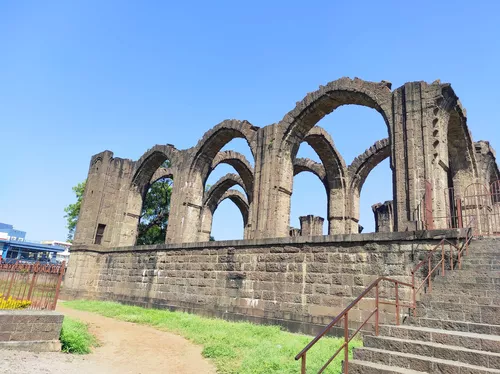
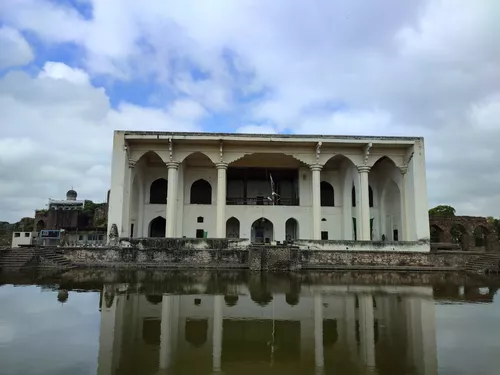
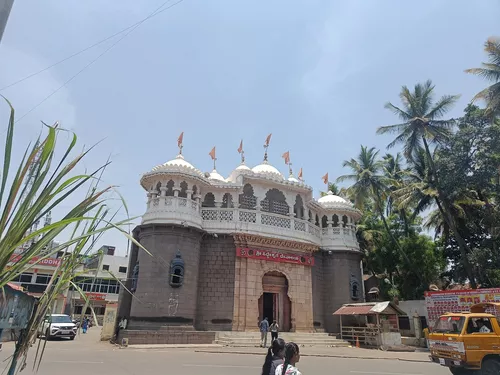
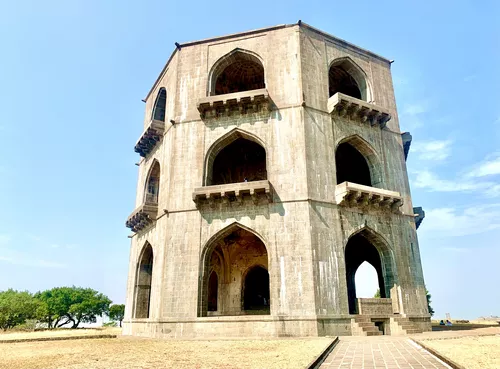
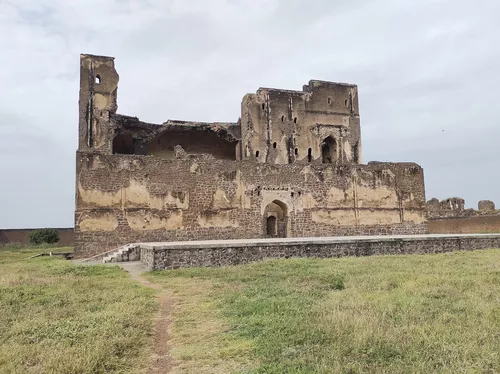
Bijapur, or Vijayapura, is renowned for its historical significance and stunning architectural heritage. Here are some of the must-visit attractions:
Exploring these sites will provide a comprehensive understanding of Bijapur's rich history and architectural prowess.
Bijapur offers a range of activities for tourists beyond just sightseeing. Here are some engaging things to do:
These activities will enhance your visit, providing a deeper understanding and appreciation of Bijapur's cultural and historical significance.
Yes, Bijapur has a notable museum that provides valuable insights into the region's history and culture.
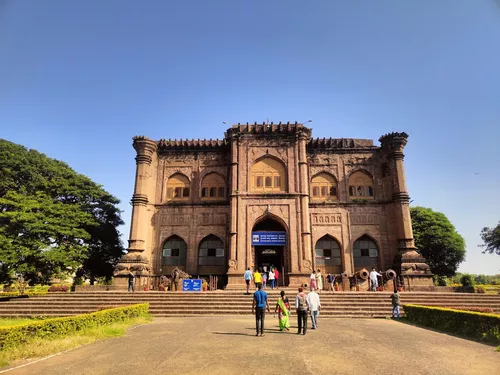
The Bijapur Archaeological Museum, also known as the Bijapur Government Museum, is located near the Gol Gumbaz. It houses a diverse collection of artifacts, including sculptures, inscriptions, pottery, and coins, that showcase the rich heritage of the Adil Shahi dynasty and the surrounding area. The museum offers a glimpse into the art, architecture, and daily life of the people who lived in Bijapur centuries ago. Visiting the museum is a great way to complement your exploration of the city's historical sites, providing context and deeper understanding of their significance.
Bijapur serves as a great base for exploring other interesting destinations in the region. Here are some popular nearby places to visit:
These destinations offer a diverse range of historical, cultural, and architectural experiences, making them perfect for day trips or extended explorations from Bijapur.
Shopping in Bijapur offers a glimpse into the local culture and crafts. While it may not be a shopper's paradise like major metropolitan cities, you can find unique items and souvenirs. Here are some places to explore for shopping:
Remember to bargain while shopping in the local bazaars to get the best prices. Shopping in Bijapur offers an opportunity to support local artisans and take home unique reminders of your visit.
Bijapur offers a variety of dining options ranging from traditional restaurants to street food stalls. Here are some of the best places to eat in Bijapur:
Some of the must try dishes include Jolada Roti (Sorghum bread) with Ennegai (stuffed brinjal curry), and various spicy curries. Also look out for local sweets and snacks. Exploring the street food scene provides a flavorful experience of Bijapur's culinary culture.
When visiting Bijapur, it’s essential to consider the climate and local customs to ensure comfort and respect. Given the hot and dry climate for a significant part of the year, light and breathable clothing is highly recommended. Cotton and linen fabrics are ideal choices. During the summer months (March to May), temperatures can soar, so wearing loose-fitting clothes can help you stay cool. For the winter months (October to February), the weather is more pleasant, but it's still a good idea to carry light layers, such as a light jacket or shawl, as the evenings can get a bit chilly.
As Bijapur is a city with a rich historical and cultural heritage, dressing modestly is advisable, especially when visiting religious sites like mosques and dargahs. For women, wearing clothes that cover the shoulders and knees is a good practice. Men should also avoid wearing shorts in religious places. Carrying a scarf or shawl can be useful for women to cover their heads when entering mosques. Comfortable footwear is a must, as you'll likely be doing a lot of walking while exploring the various monuments and historical sites. Sunglasses, a hat, and sunscreen are also essential to protect yourself from the sun.
Yes, Bijapur celebrates several local festivals that offer a vibrant glimpse into the region's culture and traditions. While specific festival dates can vary from year to year, here are some notable festivals celebrated in Bijapur:
These festivals provide an opportunity to witness the cultural diversity and religious harmony prevalent in Bijapur. If your visit coincides with any of these festivals, participating in the celebrations can be a memorable experience.
The primary local language spoken in Bijapur, also known as Vijayapura, is Kannada. Kannada is the official language of the state of Karnataka, where Bijapur is located. Most residents of Bijapur are fluent in Kannada, and it is used in everyday communication, local administration, and education.
In addition to Kannada, Urdu is also widely spoken in Bijapur due to the city's historical association with Muslim rulers and the Adil Shahi dynasty. Many residents, particularly in older parts of the city, are fluent in Urdu, and it is often used in cultural and religious contexts. Hindi is also understood and spoken by a significant portion of the population, especially in commercial areas and among travelers. English is also spoken in tourist areas and hotels. Learning a few basic phrases in Kannada can be helpful and appreciated by locals. Common greetings like 'Namaskara' (hello) and 'Hegidira?' (how are you?) can go a long way in making your interactions more pleasant.
Yes, ATMs and banks are easily accessible in Bijapur. As a major city in Karnataka, Bijapur has a well-established banking infrastructure to cater to the needs of residents and tourists. You can find ATMs of major nationalized and private banks throughout the city, particularly in commercial areas, near popular tourist attractions, and in the vicinity of hotels. Some of the prominent banks with ATMs in Bijapur include State Bank of India, HDFC Bank, ICICI Bank, Axis Bank, and Canara Bank. It is advisable to carry some cash with you, especially when visiting smaller shops and local markets. While many establishments accept debit and credit cards, smaller vendors may prefer cash transactions. It's also a good idea to inform your bank about your travel plans to ensure that your cards are not blocked for suspicious activity. You can also find bank branches in the main city area.