


Cancun is popular for
Cancun in next 3 month 18/29°C18/29°C20/31°C20/32°C20/32°C22/33°C
 23/34°C23/34°C22/33°C21/33°C21/30°C26/29°COctober in Cancun is warm with occasional rain showers and moderate air quality.
Weather in Cancun
jan
18/29°CAQI 14
feb
18/29°CAQI 22
mar
20/31°CAQI 20
apr
20/32°CAQI 20
may
20/32°CAQI 21
jun
22/33°CAQI 16
jul
23/34°CAQI 11
aug
23/34°CAQI 11
sep
22/33°CAQI 18
oct
21/33°CAQI 13
nov
21/30°CAQI 17
dec
26/29°CAQI 14
Usual trip duration
4-5 days
A 4-5 day trip to Cancun allows you to explore the beautiful beaches, visit ancient Mayan ruins, enjoy water sports like snorkeling and scuba diving, and experience the vibrant nightlife of the hotel zone.💰
Moderate to expensiveThings To Do
Ideas To Plan Your Trip
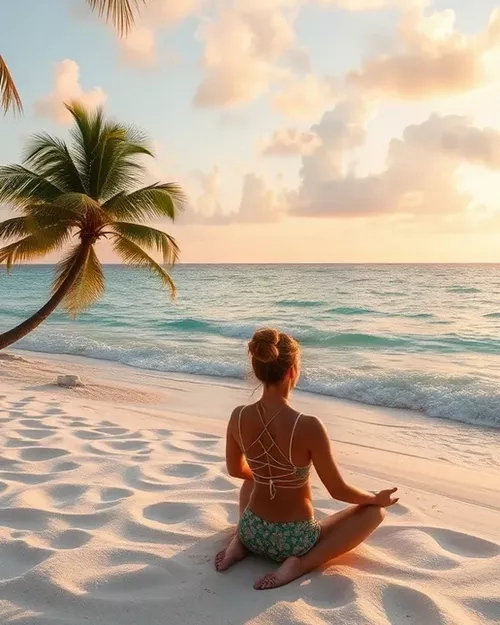
Beachfront Meditation Retreat
Goan Culinary Adventure
Wildlife Safari Excursion

Water Sports Extravaganza

Heritage Village Exploration
Places To Visit
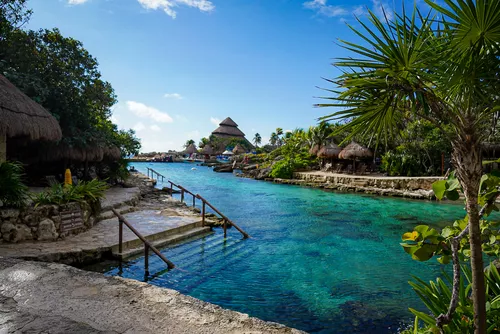
Xcaret Park
NATURE PARKEco-archaeological theme park

Coco Bongo
NIGHTLIFEFamous nightclub and show
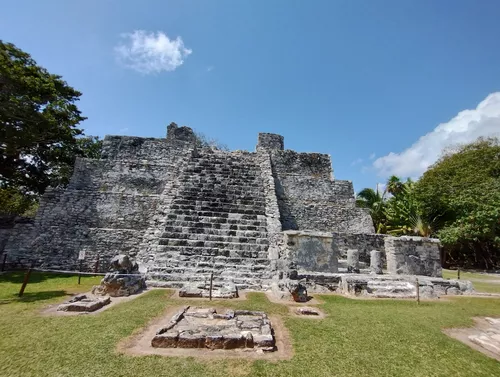
El Meco Ruins
HISTORICAL SITELesser-known Mayan ruins
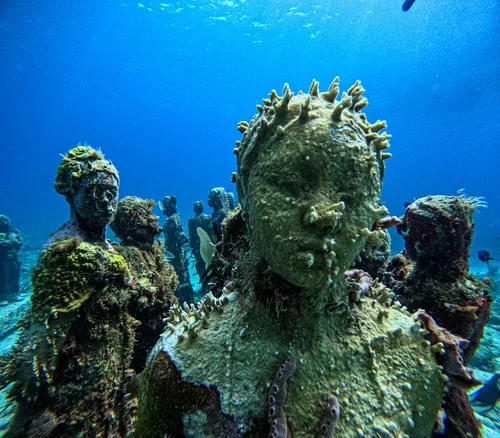
Museo Subacuatico
MUSEUMUnderwater museum of art
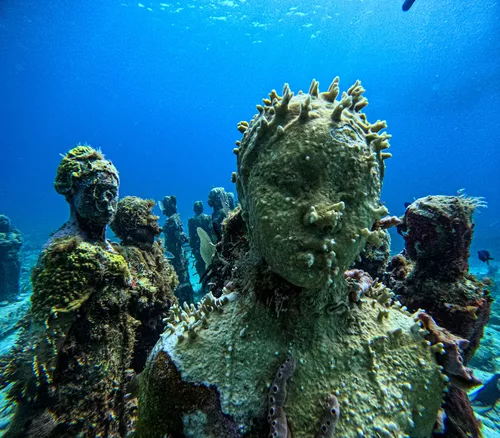
Cancun Underwater Museum
MUSEUMArtificial reef for divers
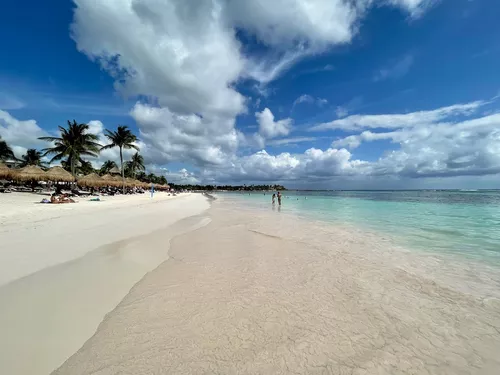
Akumal Beach
BEACHTurtle nesting site
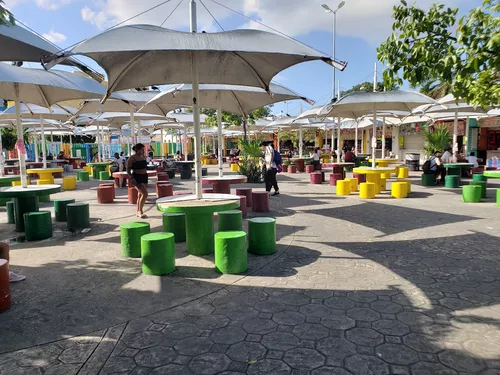
Parque de las Palapas
PARKLocal food and entertainment

Museo Maya de Cancun
MUSEUMMayan history and artifacts
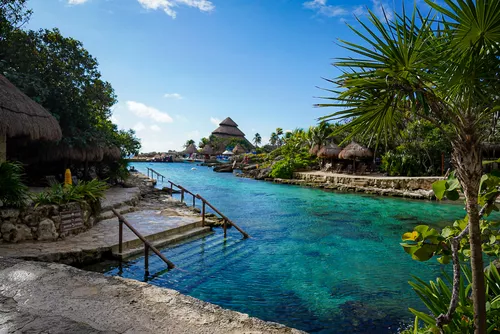
Xcaret Eco Park
ECO-PARKEco-archaeological theme park
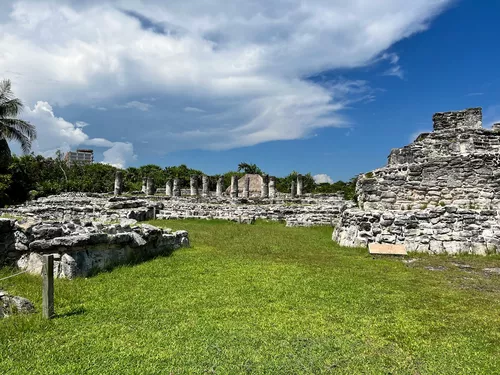
El Rey Ruins
ARCHEOLOGICAL SITEAncient Mayan archaeological site
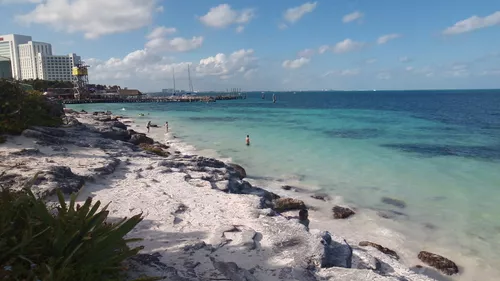
Playa Tortugas
BEACHFamily-friendly beach
Places To Eat

Ilios | Greek restaurant in Cancun

Harry's Steakhouse & Raw Bar | Cancun

Bubba Gump Shrimp Co. Cancún

Mermelada Cocina Que Reconforta.

Fred's | The best seafood in Cancun

Bokka Smokehouse & Grill

El Oasis

Changarro de la 30 las palapas

El Timon de Cancun

Bovinos Steakhouse & Seafood | Cancún

La Palapita La Luna Cancún

Restaurante Hacienda El Mortero

Puerto Madero Cancún

Puerto Santo

Casa Rolandi

La Orgánica

Porfirio's Cancún | Restaurante de comida mexicana

Mochomos

La Coyota Cancún - Cocina & Mixología

Coco Bongo Cancun
How to Reach
Places to Stay