The best time to visit Chopta, often called the 'Mini Switzerland' of Uttarakhand, depends on your preferences. For pleasant weather and clear views, the months of April to June are ideal. The temperature remains comfortable, making it perfect for trekking and sightseeing. However, if you are looking for snow, visit during December to February. Chopta receives heavy snowfall during these months, transforming the landscape into a winter wonderland. Keep in mind that the roads might be blocked due to snow, so it's essential to check road conditions before you travel. Monsoon season (July to September) is generally avoided due to heavy rainfall and landslides.
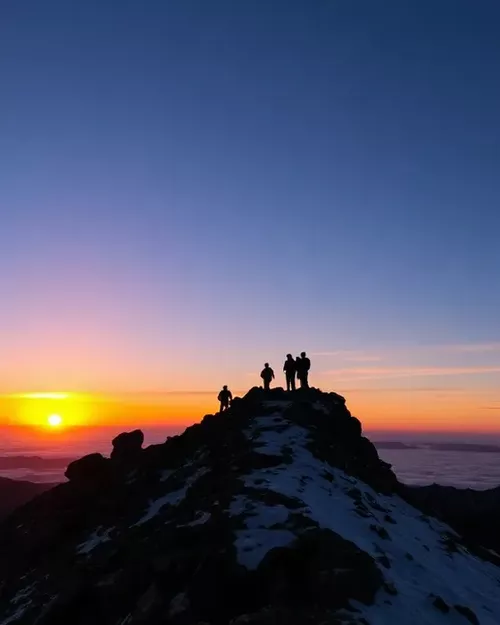
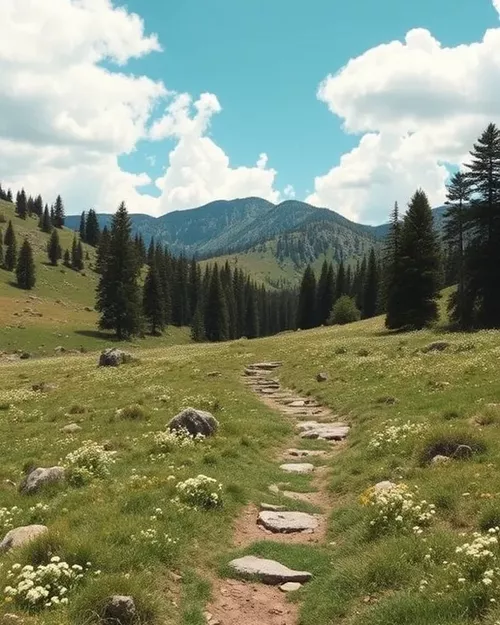
Chopta offers a variety of attractions, primarily centered around its natural beauty and trekking opportunities. The most popular is the Tungnath Temple, the highest Shiva temple in the world, and the Chandrashila Peak, which offers panoramic views of the Himalayan range, including Nanda Devi, Trishul, and Chaukhamba peaks. The Deoria Tal, a beautiful lake surrounded by lush forests, is also a must-visit and makes for a relatively easy trek. Apart from these, the area boasts dense forests of rhododendron and deodar, providing scenic walking trails and opportunities for bird watching. The entire region is a haven for nature lovers and adventure enthusiasts.
Reaching Chopta involves a combination of road and possibly a short trek, depending on your starting point. Here's a breakdown of the options:
Chopta is a hub for various activities, primarily focused on trekking and experiencing the natural beauty of the Himalayas.
Yes, Chopta serves as a great base for exploring other beautiful destinations in Uttarakhand.
Chopta is a small village primarily known for its natural beauty and trekking trails, so you won't find large shopping complexes or malls here. However, there are a few small shops and stalls where you can buy essential items, souvenirs, and local handicrafts. These shops are usually located near the main road and in the vicinity of guesthouses and hotels. You can find items such as:
For more extensive shopping, you would need to travel to nearby towns like Ukhimath or Rudraprayag, where you can find a wider range of products and shops.
Chopta, being a small village, primarily offers basic but comforting food options catered to travelers and trekkers. You will mainly find small restaurants and dhabas (roadside eateries) serving simple and wholesome meals. Don't expect fancy dining experiences or diverse cuisines. Here's what you can typically expect:
Remember that the focus is on providing filling and nutritious meals rather than gourmet experiences. Some guesthouses and hotels also have their own kitchens and offer meals to their guests. It's always a good idea to check the menu and prices before ordering.
Chopta is generally considered safe for solo female travelers. The local people are known for their hospitality, and the region is relatively peaceful with a low crime rate. However, like any travel destination, it's always wise to take certain precautions. Here are some tips to ensure a safe and enjoyable trip:
By taking these precautions and staying vigilant, solo female travelers can have a safe and memorable experience in Chopta.
The type of clothing you should pack for Chopta depends heavily on the time of year you're visiting. Regardless of the season, layering is always a good strategy due to the variable mountain weather. Here's a breakdown by season:
Regardless of the season, comfortable trekking shoes are a must for exploring the region's trails. Also, remember to pack socks that wick away moisture to keep your feet dry and comfortable.
ATMs are not readily available in Chopta itself due to its remote location and small size. It's highly advisable to withdraw sufficient cash before you arrive in Chopta. The nearest ATMs are usually located in Ukhimath (about 30 km from Chopta) and Rudraprayag (approximately 65 km away). However, these ATMs may not always be reliable due to network issues or cash shortages, especially during peak tourist season. Therefore, it's best to plan ahead and carry enough cash to cover your expenses, including accommodation, food, transportation, and any other activities you plan to do. Many smaller establishments in Chopta may not accept credit or debit cards, so having cash on hand is essential. Keep small denominations of currency for easier transactions at local shops and dhabas.
Mobile network connectivity in Chopta can be patchy and unreliable, depending on the network provider. While some providers offer decent coverage in certain areas, other areas may have limited or no signal. BSNL generally has the most reliable coverage in the region, followed by Jio. Airtel and Vodafone Idea (Vi) may have limited coverage. It's important to be prepared for the possibility of limited or no connectivity, especially when trekking or exploring remote areas. Consider purchasing a local BSNL or Jio SIM card if reliable connectivity is essential for you. Wi-Fi is also not widely available in Chopta, so don't rely on it for communication or internet access. Inform your family and friends that you may be out of contact for periods of time during your trip.
Generally, for popular treks around Chopta like Tungnath and Chandrashila, you do not need any specific permits as such. These treks fall under relatively easily accessible regions. However, if you're planning to venture into more remote or protected areas, it is essential to check and obtain the necessary permissions. For treks that enter areas under the jurisdiction of the forest department or wildlife sanctuaries, you may require permits from the forest department. This is to regulate the number of visitors and minimize environmental impact. It's always a good idea to check the latest regulations and requirements with the local tourism office or forest department before you begin your trek. You can usually obtain these permits from offices in Ukhimath or Gopeshwar. If you're trekking with an organized tour group, they will usually handle the permit arrangements for you. Always carry a valid ID and any necessary documentation during your trek.