


Denver is popular for
Denver in next 3 month -26/12°C
 -25/15°C-10/19°C-8/28°C
 4/27°C
 7/34°C10/37°C11/37°C4/36°C-17/30°C-9/22°C-12/16°COctober in Denver brings cooler temperatures with occasional snowfall and improved air quality.
Weather in Denver
jan
-26/12°CAQI 28
feb
-25/15°CAQI 30
mar
-10/19°CAQI 23
apr
-8/28°CAQI 20
may
4/27°CAQI 30
jun
7/34°CAQI 19
jul
10/37°CAQI 20
aug
11/37°CAQI 20
sep
4/36°CAQI 20
oct
-17/30°CAQI 16
nov
-9/22°CAQI 20
dec
-12/16°CAQI 23
Usual trip duration
3-4 days
A 3-4 day trip to Denver allows you to explore the city's vibrant art and culture scene, visit the famous Red Rocks Amphitheatre, and take a day trip to the Rocky Mountains for outdoor adventures.💰
Moderate to expensiveThings To Do
Ideas To Plan Your Trip
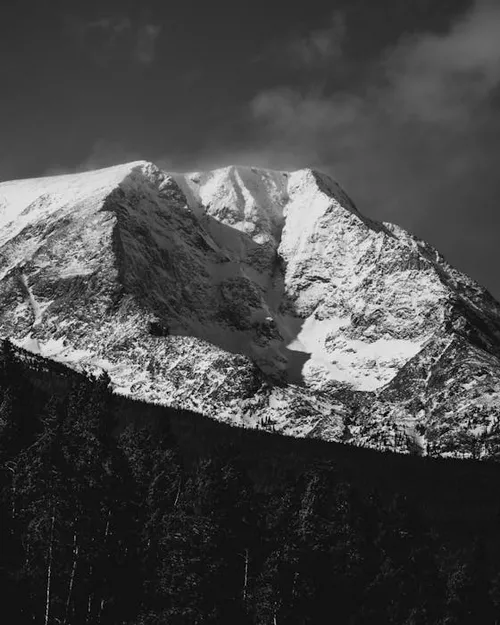
Snowy Mountain Hiking: Explore breathtaking alpine landscapes â›·
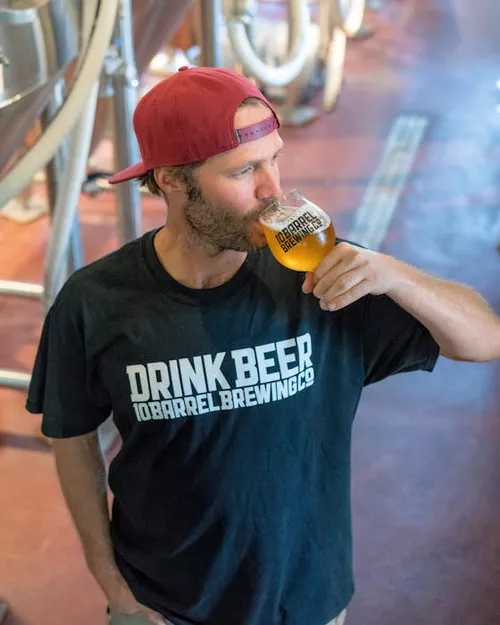
Craft Beer Tasting: Sample local brews ðŸº
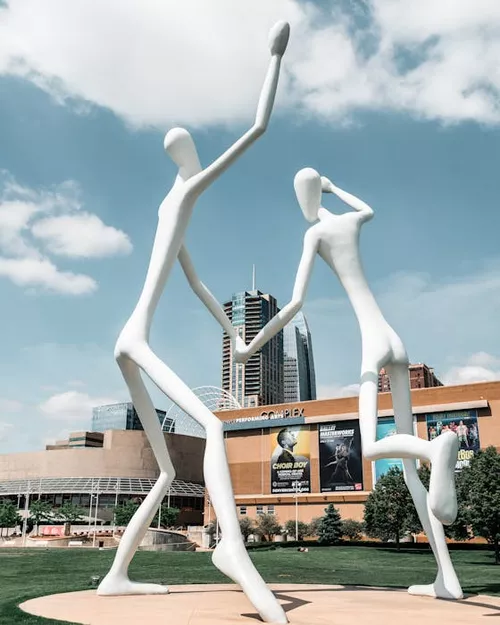
Art Walk in RiNo: Discover vibrant street art 🎨

Rocky Mountain Scenic Drive: Marvel at majestic peaks ðŸž
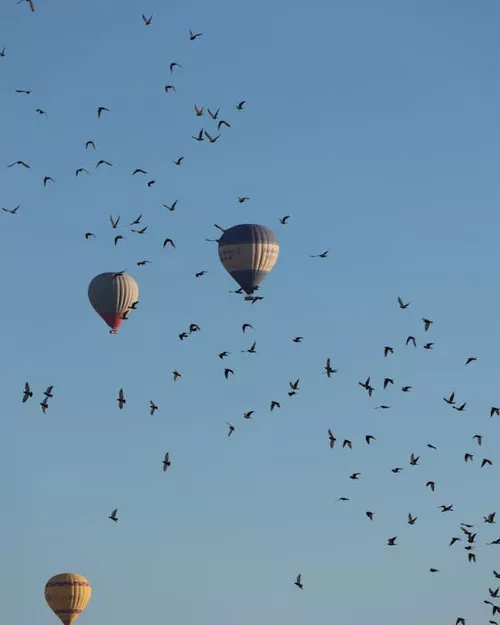
Hot Air Balloon Ride: Soar above stunning vistas 🎈
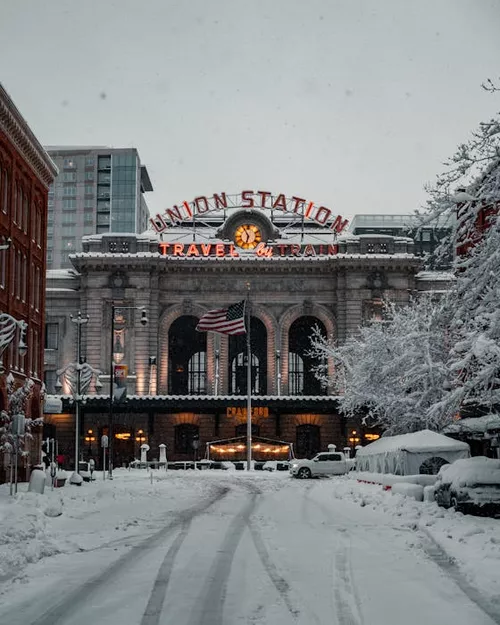
Historic Train Ride: Journey through scenic valleys 🚂
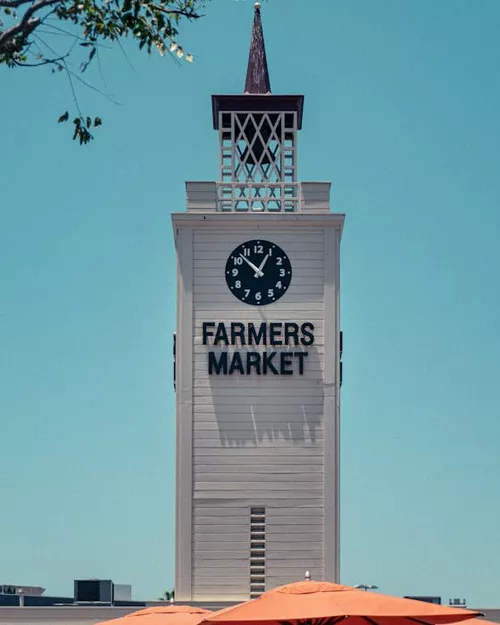
Farmers' Market Shopping: Taste fresh local produce ðŸ‡
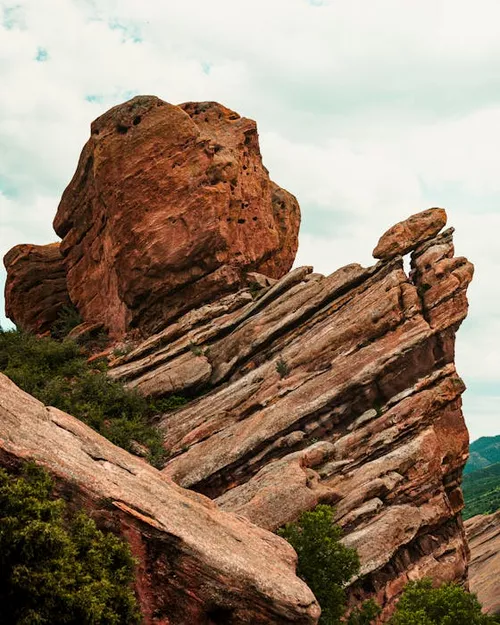
Sunset Picnic at Red Rocks: Enjoy panoramic views 🌄
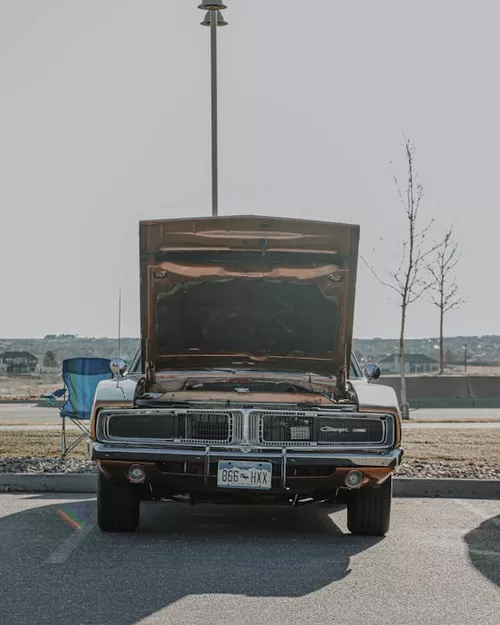
Yoga in the Park: Find zen in nature 🧘
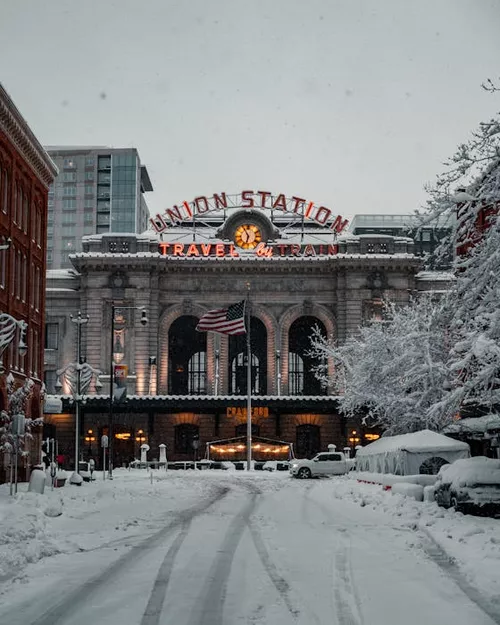
Ghost Tour: Uncover intriguing haunted history 👻
Places To Visit

Denver Art Museum
MUSEUMImpressive collection of art and artifacts

Denver Botanic Gardens
GARDENTranquil oasis with diverse plant life

Coors Field
STADIUMHome of the Colorado Rockies

Denver Zoo
ZOOHabitats for diverse animal species

Molly Brown House Museum
MUSEUMHistoric home of Titanic survivor

Denver Museum of Nature and Science
MUSEUMInteractive exhibits on natural history

Denver Brewery Tour
TOURExplore local craft beer scene

Denver Central Market
MARKETFood hall with artisanal vendors

Denver Firefighters Museum
MUSEUMHistory of firefighting in Denver

Denver Botanic Gardens - York Street
GARDENAdditional botanical collections

Forney Museum of Transportation
MUSEUMVintage cars, trains, and motorcycles

Denver Public Library
LIBRARYArchitectural landmark with vast collection

Denver Aquarium
AQUARIUMUnderwater exhibits and marine life
Places To Eat

Kona Grill - Denver

SPICE ROOM

Com Nha Kitchen & Bar

Aquarium Restaurant

Earls Kitchen + Bar

Snooze, an A.M. Eatery

Sam's No. 3

Corinne Denver

The Denver Central Market

Guard and Grace

The Capital Grille

Angelo’s Taverna

Barolo Grill

The Crypt

Restaurant Olivia

Wildflower

Jacks on Pearl

Work & Class

Linger

Potager
How to Reach
Places to Stay