Gangasagar in next 3 month
December in Gangasagar is cool and misty with moderate air quality, making it a pleasant time to visit.
Usual trip duration
A 2-3 day trip to Gangasagar allows you to explore the sacred temples, take a dip in the holy waters, and witness the unique blend of spirituality and natural beauty. It's a perfect short getaway for a spiritual experience.
Affordable for budget travelers
The best time to visit Gangasagar is during the winter months, specifically from October to March. The weather is pleasant and comfortable, with temperatures ranging from 10°C to 25°C. This period is ideal for sightseeing, attending the Gangasagar Mela in January, and exploring the island without the discomfort of extreme heat or humidity. The annual Gangasagar Mela, held in mid-January around Makar Sankranti, is a significant religious event attracting millions of pilgrims. If you plan to attend the Mela, be prepared for large crowds and book your accommodation well in advance. Visiting outside the Mela season offers a more peaceful and less crowded experience, allowing you to appreciate the natural beauty and tranquility of the island. Remember to check weather forecasts before your trip to ensure a smooth and enjoyable experience.
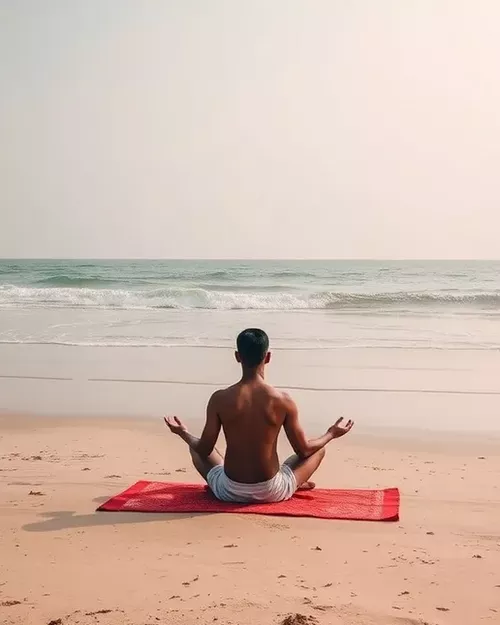
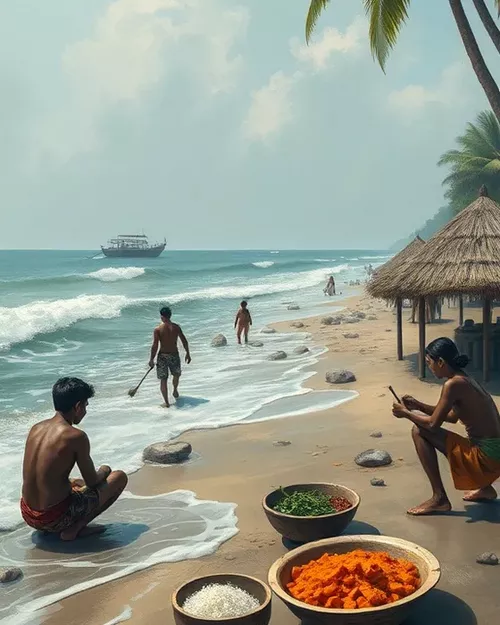
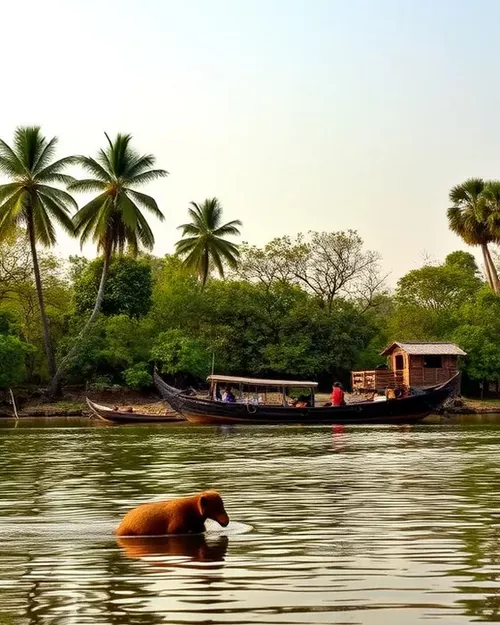
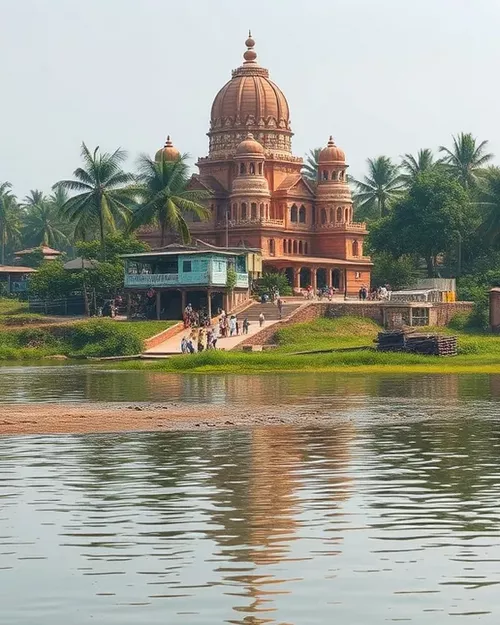
Gangasagar, a significant pilgrimage site at the confluence of the Ganges River and the Bay of Bengal, offers a blend of religious and natural attractions. The most prominent attraction is the Kapil Muni Temple, dedicated to the sage Kapil Muni, which draws devotees year-round, especially during the Gangasagar Mela. The Gangasagar beach itself is a serene and picturesque location for relaxation and contemplation. The Sagar Lighthouse provides panoramic views of the surrounding coastline and the vast expanse of the sea, offering excellent photo opportunities. For nature enthusiasts, the Gangasagar island is a part of the Sundarbans delta, hosting diverse flora and fauna. While not as densely forested as other parts of the Sundarbans, it offers glimpses of mangrove ecosystems and birdwatching opportunities. Don't miss the opportunity to witness the sunrise and sunset at the beach, which paints the sky with vibrant colors, creating a mesmerizing experience. Additionally, explore local markets and villages to experience the unique culture and lifestyle of the island's inhabitants.
Reaching Gangasagar involves a combination of road and ferry transport. The most common route starts from Kolkata. Here’s a detailed breakdown:
Alternatively, during the Gangasagar Mela, special bus services and direct ferries are often available from Kolkata, making the journey more convenient.
Gangasagar offers a variety of activities catering to both religious pilgrims and tourists seeking relaxation and natural beauty. Here’s a list of activities you can enjoy:
While Gangasagar itself is an island destination, there are several nearby places you can explore to enhance your trip. Here are a few notable destinations:
These destinations can be combined with your Gangasagar trip to create a more comprehensive travel experience.
Shopping options in Gangasagar are limited but offer a glimpse into local crafts and religious items. Here are some places where you can shop:
While shopping in Gangasagar, remember to bargain and support local artisans. The experience offers a unique way to connect with the local culture and take home meaningful mementos of your visit.
Gangasagar offers a range of dining options, primarily catering to the local cuisine. Here are some restaurants and food options you can explore:
Food options are generally simple and traditional, reflecting the local culture and available ingredients. It's a great opportunity to savor authentic Bengali flavors.
Gangasagar offers a range of accommodation options, primarily catering to budget and mid-range travelers. Here are some types of accommodations available:
It is advisable to book accommodation in advance, especially if you are planning to visit during the Gangasagar Mela, as availability can be limited.
Gangasagar is generally considered safe for tourists, but it's important to take certain precautions to ensure a smooth and secure visit. The local community is welcoming, and the area is relatively peaceful. However, like any travel destination, it's wise to be mindful of your surroundings and take necessary safety measures.
During the Gangasagar Mela, the area sees a massive influx of pilgrims, which can lead to overcrowding. It's important to be vigilant about your belongings and stay aware of your surroundings to avoid petty theft. Follow the instructions of local authorities and event organizers to ensure your safety during the event.
Travel to and from Gangasagar involves ferry rides. Ensure that the ferries you use are properly maintained and operated by licensed authorities. Follow safety guidelines provided by the ferry operators, such as wearing life jackets when required. Be cautious while swimming or bathing in the sea, as the currents can be strong and unpredictable. It's advisable to swim only in designated areas and heed any warnings from local authorities. In terms of health, ensure you have any necessary vaccinations and carry a basic first-aid kit. Drink bottled water and be cautious about food from unhygienic sources. By taking these precautions, you can ensure a safe and enjoyable trip to Gangasagar.
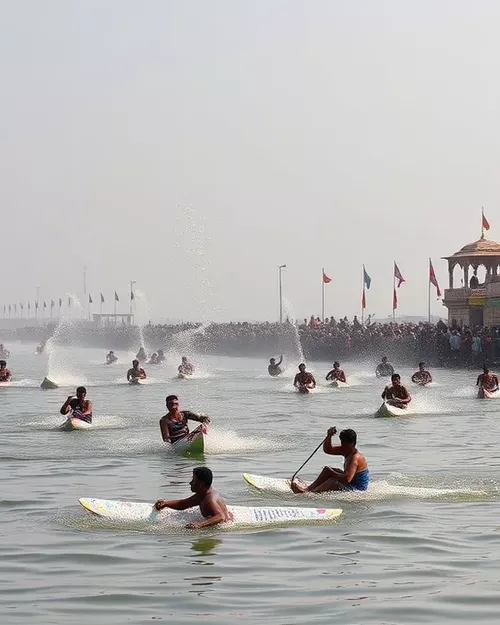
The Gangasagar Mela is a significant Hindu pilgrimage and festival held annually in Gangasagar, West Bengal, India. It takes place around Makar Sankranti (mid-January) when millions of pilgrims gather at the confluence of the Ganges River and the Bay of Bengal to take a holy dip. The significance of the Gangasagar Mela is deeply rooted in Hindu mythology and spiritual beliefs.
According to Hindu scriptures, King Sagar of the Suryavansha dynasty performed the Ashvamedha Yagna, a ritual involving a horse sacrifice. Lord Indra, fearing the king's growing power, stole the sacrificial horse and hid it in the ashram of Sage Kapil Muni. King Sagar's 60,000 sons were sent to find the horse and, upon finding it near Sage Kapil's ashram, accused the sage of theft. Enraged, Sage Kapil cursed them, turning them to ashes.
Generations later, King Bhagiratha, a descendant of King Sagar, performed severe penance to bring the goddess Ganga (the Ganges River) down to Earth to purify the ashes of his ancestors and grant them salvation (moksha). When Ganga descended, she flowed into the sea, and the confluence of the Ganges and the sea at Gangasagar became a sacred site.
Taking a dip at this confluence during Makar Sankranti is believed to cleanse sins and grant spiritual liberation. The Gangasagar Mela is thus a celebration of this legend and a reaffirmation of faith, attracting devotees from all over India and beyond. It is the second-largest gathering of Hindus after the Kumbh Mela.
Packing appropriately for a trip to Gangasagar can greatly enhance your comfort and convenience. Here is a list of essential items you should consider bringing:
By packing these essential items, you'll be well-prepared for a comfortable and enjoyable trip to Gangasagar.
Practicing responsible tourism in Gangasagar is crucial to preserve the natural environment and respect the local culture. Here are some tips to ensure you travel responsibly:
By following these tips, you can contribute to sustainable tourism and help preserve the beauty and culture of Gangasagar for future generations.