


Gangtok is popular for
Gangtok in next 3 month -1/19°C
 1/19°C3/20°C5/25°C7/25°C11/26°C14/26°C14/25°C
 13/25°C6/23°C5/21°C0/19°CAugust in Gangtok experiences monsoon showers with cooler temperatures and moderate air quality.
Weather in Gangtok
jan
-1/19°CAQI 41
feb
1/19°CAQI 44
mar
3/20°CAQI 87
apr
5/25°CAQI 94
may
7/25°CAQI 51
jun
11/26°CAQI 44
jul
14/26°CAQI 24
aug
14/25°CAQI 24
sep
13/25°CAQI 20
oct
6/23°CAQI 14
nov
5/21°CAQI 44
dec
0/19°CAQI 45
Usual trip duration
3-4 days
A 3-4 day trip to Gangtok allows you to explore the city's monasteries, enjoy stunning views of the Himalayas, and take a day trip to the famous Tsomgo Lake. You can also experience the local culture and cuisine in this duration.💰
Moderate to expensiveThings To Do
Ideas To Plan Your Trip
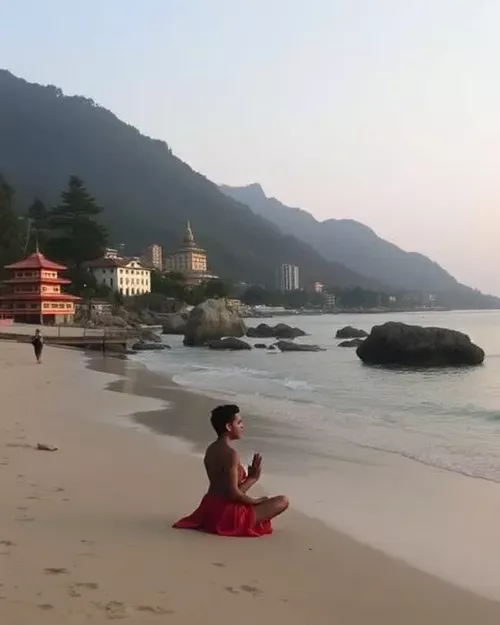
Beachfront Meditation Retreat
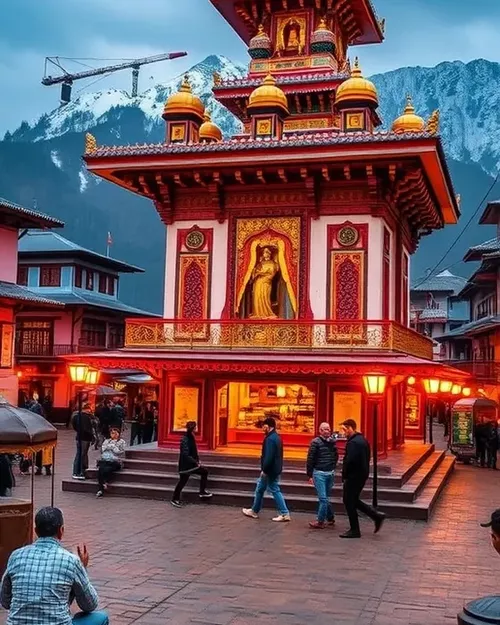
Culinary Adventure Tour
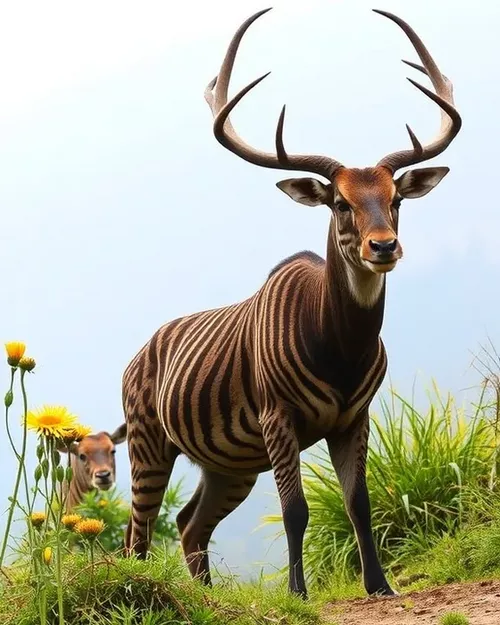
Wildlife Safari Experience

Traditional Dance Workshops
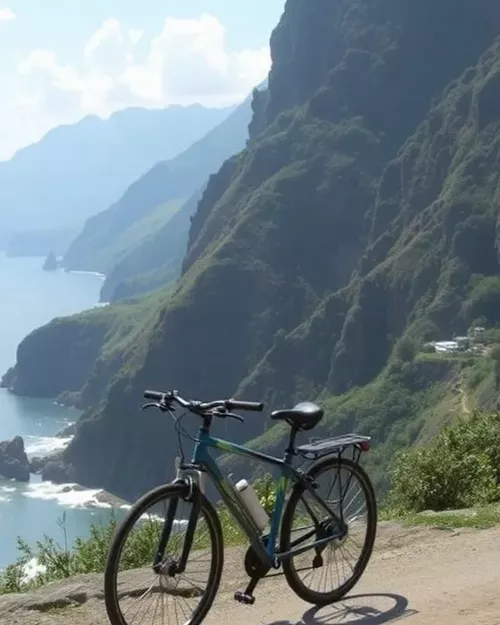
Scenic Coastal Cycling
Places To Visit

Banjhakri Falls
WATERFALLScenic natural waterfall

Do Drul Chorten
RELIGIOUSAncient Buddhist stupa

Ganesh Tok View Point
VIEWPOINTPanoramic views of Gangtok

Tashi View Point
VIEWPOINTSpectacular sunrise and sunset views

Enchey Monastery
RELIGIOUSHistoric Buddhist monastery

Hanuman Tok
RELIGIOUSSacred Hindu temple

Flower Exhibition Centre
GARDENVibrant floral displays

Jawaharlal Nehru Botanical Garden
GARDENLush greenery and diverse flora

Himalayan Cultural Museum
MUSEUMShowcases local culture and heritage

Khangchendzonga National Park
NATIONAL PARKRich biodiversity and stunning landscapes

Ganesh Tak
RELIGIOUSScenic temple with city views
Places To Eat

Grains Pure Veg by Udaan Alpine, Gangtok

Grains Pure Veg by Udaan Keepsa, Gangtok

Grains Pure Veg by Udaan Pride Sikkim, Gangtok

Starbucks

Osm Restro & Lounge

The Square Family Restaurant and Bar

Baker's Cafe

The Coffee Shop

Selvi's

SHER-E-PUNJAB FAMILY RESTAURANT & BAR (MG ROAD)

Taste Of Tibet

Hotlix Food & Drink(Mg margh)

Raseelo Family Restaurant & Bar

Solpon

Hamro Bhansa Ghar

Sass & Guff

My Apna Dhaba

The Dragon Wok

Mu Kimchi

Parivar Restaurant
How to Reach
Places to Stay