


Gaya is popular for
Gaya in next 3 month 6/28°C11/33°C16/35°C19/44°C21/44°C26/44°C
 25/38°C25/35°C24/35°C18/34°C13/31°C10/29°COctober in Gaya brings cooler temperatures with misty weather and moderate air quality.
Weather in Gaya
jan
6/28°CAQI 229
feb
11/33°CAQI 218
mar
16/35°CAQI 116
apr
19/44°CAQI 91
may
21/44°CAQI 92
jun
26/44°CAQI 84
jul
25/38°CAQI 49
aug
25/35°CAQI 55
sep
24/35°CAQI 59
oct
18/34°CAQI 97
nov
13/31°CAQI 252
dec
10/29°CAQI 236
Usual trip duration
2-3 days
A 2-3 day trip to Gaya allows you to explore the city's rich history and cultural heritage. You can visit the Mahabodhi Temple, Bodhi Tree, and other important Buddhist sites, as well as take a day trip to nearby attractions such as Rajgir and Nalanda.💰
Affordable with some expensive optionsThings To Do
Ideas To Plan Your Trip
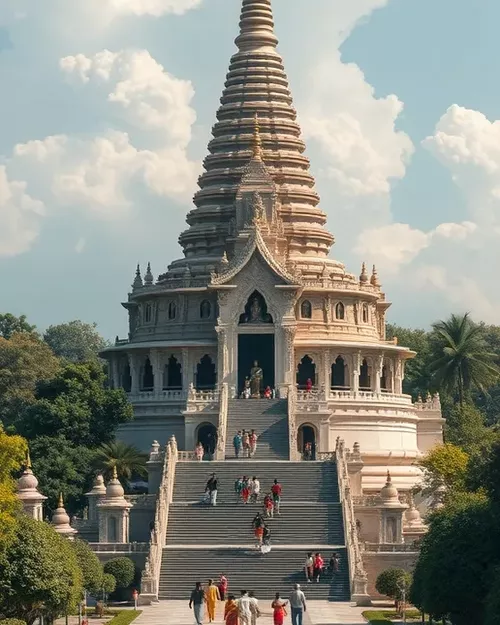
Mahabodhi Temple: Explore ancient Buddhist spirituality 🕉ï¸

Bodhi Tree Visit: Find enlightenment under sacred tree 🌳
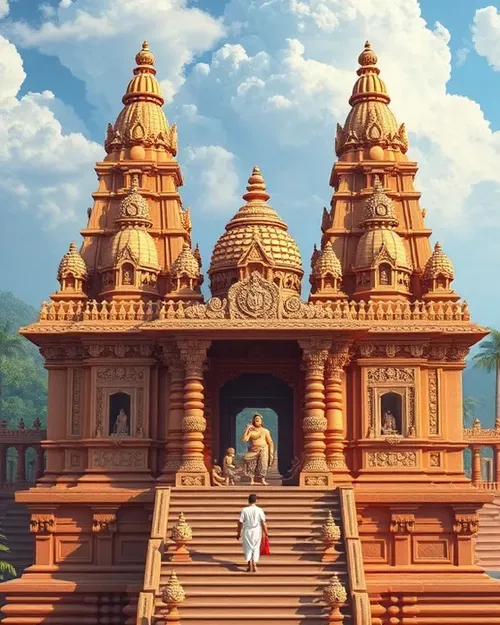
Vishnupad Temple: Experience divine Hindu pilgrimage ðŸ™

River Phalgu Ghat: Witness religious rituals on banks 🌊
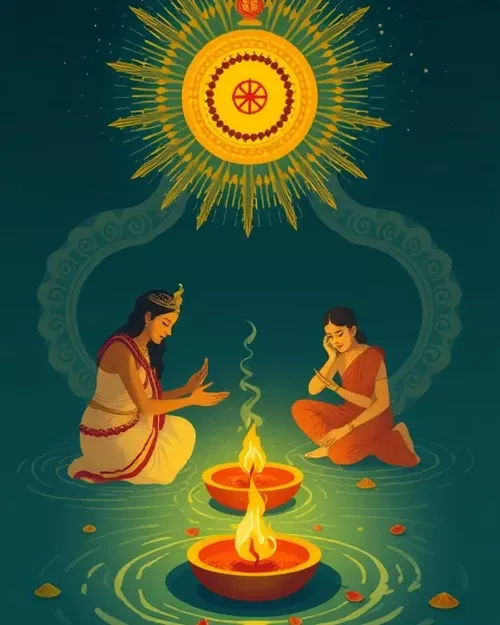
Pitru Paksha Ceremony: Participate in traditional ancestor worship 🕯ï¸
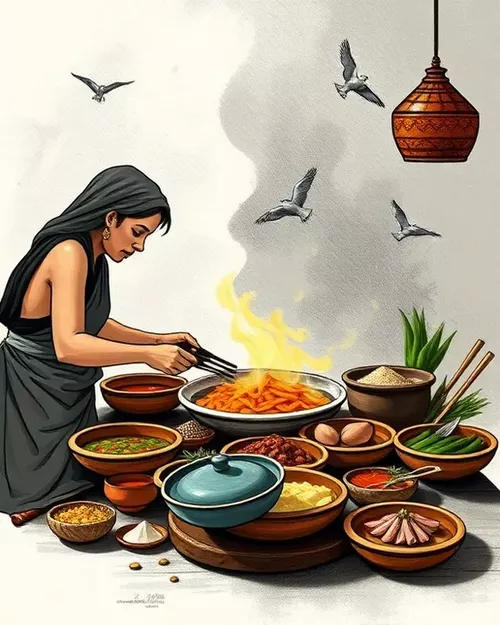
Traditional Cooking Class: Learn authentic Bihari culinary art ðŸ²

City Heritage Walk: Discover Gaya's historical landmarks ðŸ›ï¸

Local Handicraft Shopping: Collect unique handmade souvenirs ðŸ›ï¸
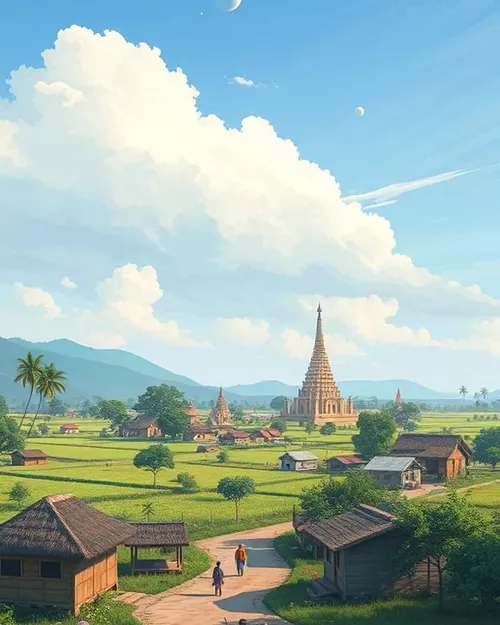
Rural Village Tour: Immerse in local rural lifestyle ðŸžï¸
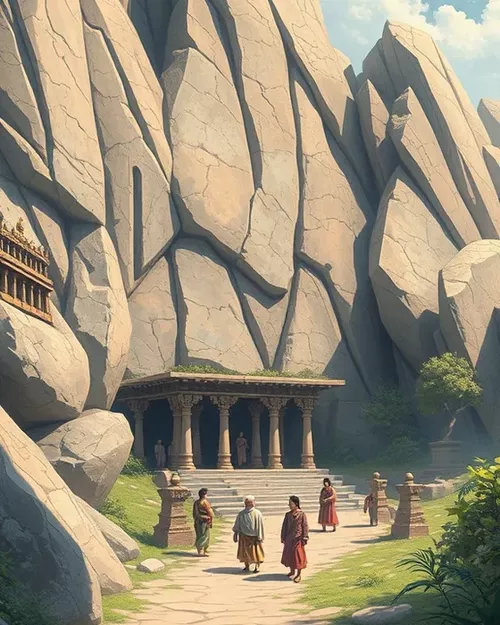
Sattaparni Cave Excursion: Uncover ancient rock-cut sanctuaries ðŸ•
Places To Visit
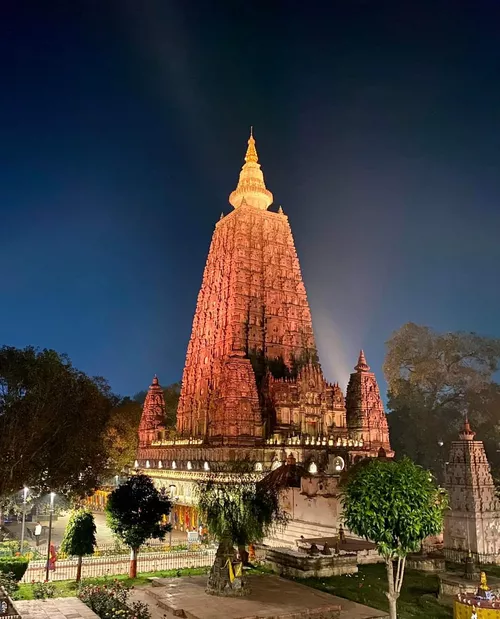
Mahabodhi Temple
TEMPLEBuddhist pilgrimage site
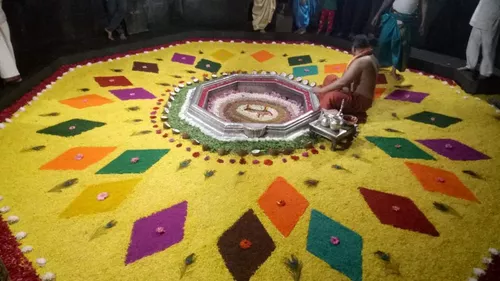
Vishnupad Temple
TEMPLEHindu pilgrimage site
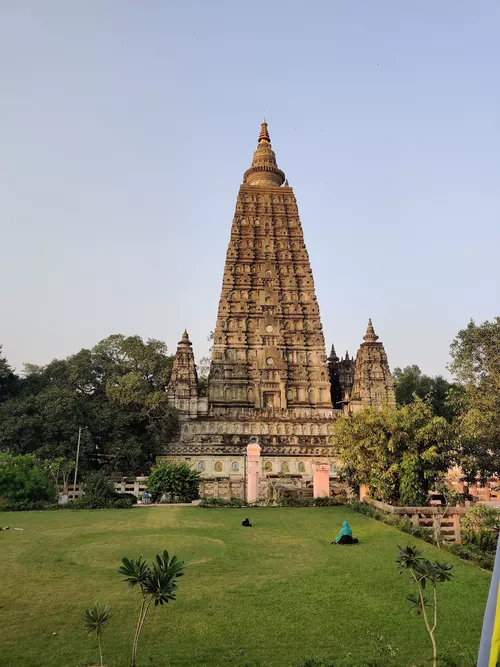
Bodhi Tree
HISTORICALSacred fig tree
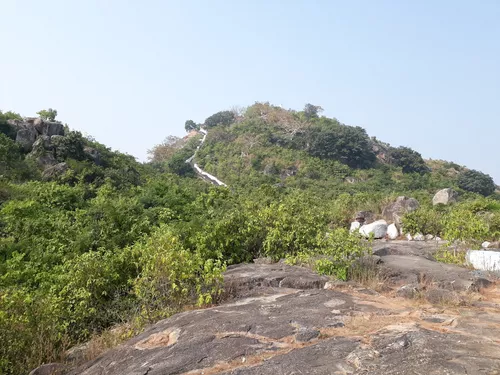
Brahmayoni Temple
TEMPLEReligious significance
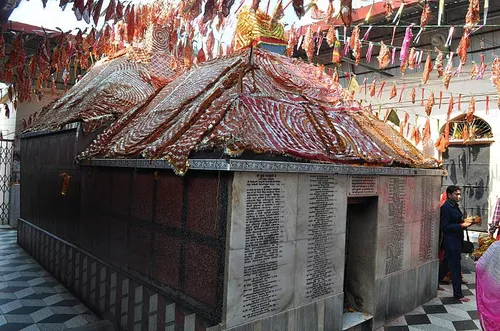
Mangla Gauri Temple
TEMPLEAncient Hindu temple
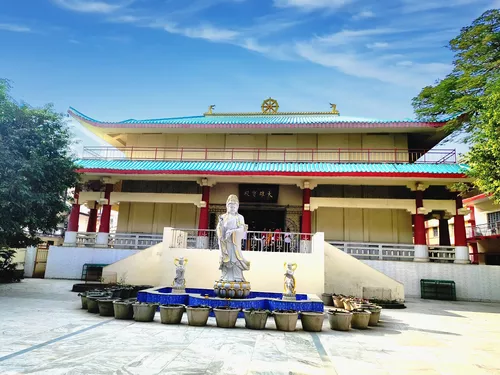
Chinese Temple
TEMPLEChinese architectural influence
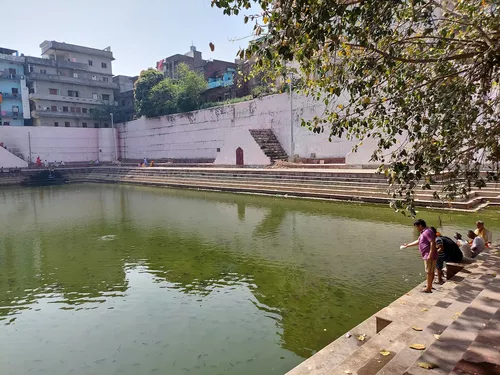
Surya Kund
HOT SPRINGHoly hot spring
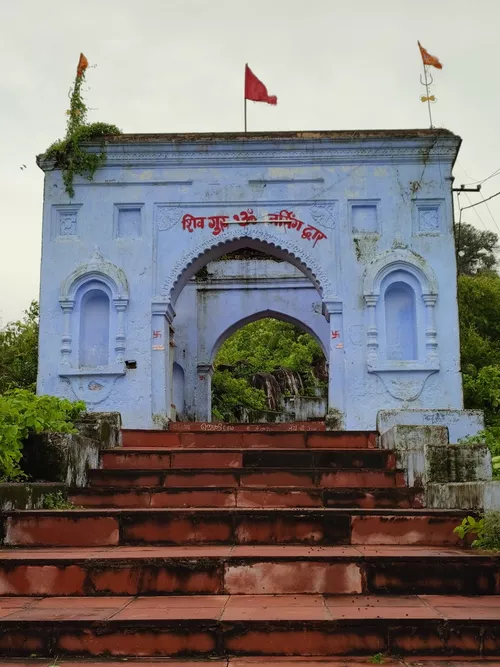
Ramshila Hill
HILLReligious significance
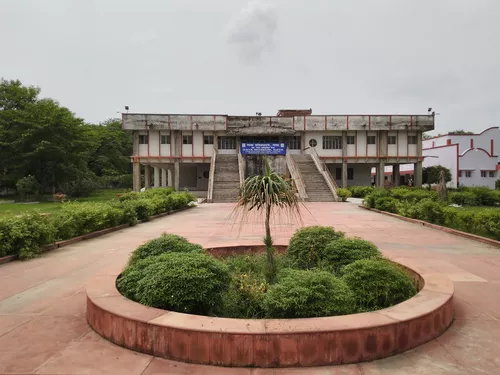
Gaya Art Museum
MUSEUMLocal art and culture
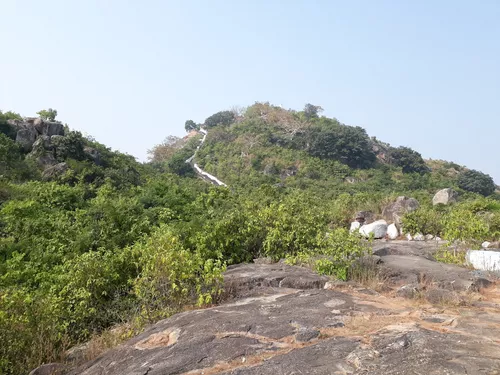
Brahmayoni Hill
HILLSpiritual significance
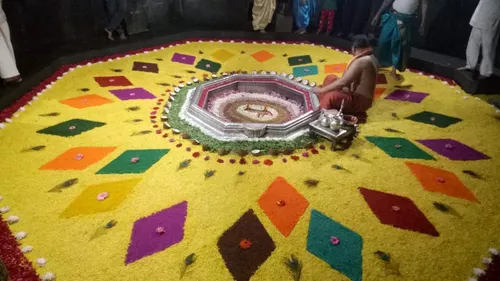
Vishnupad Mandir
TEMPLEHindu pilgrimage site
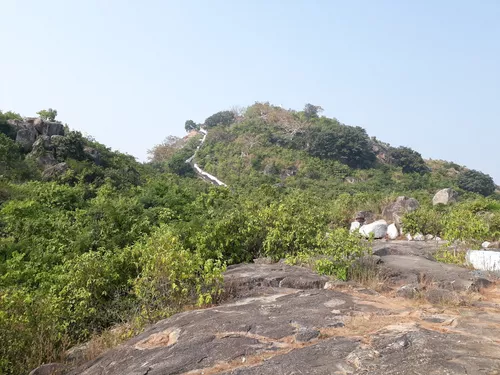
Brahmayoni Cave
CAVEReligious caves
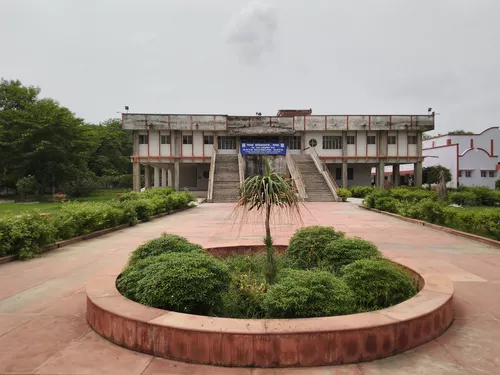
Gaya Planetarium
PLANETARIUMAstronomy education
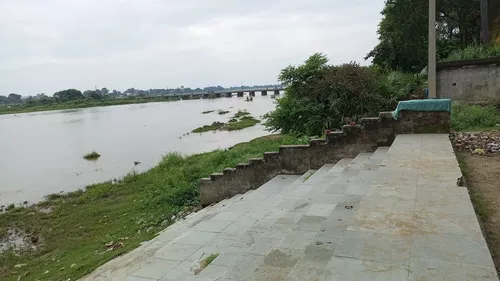
Sujata River
RIVERTranquil natural beauty
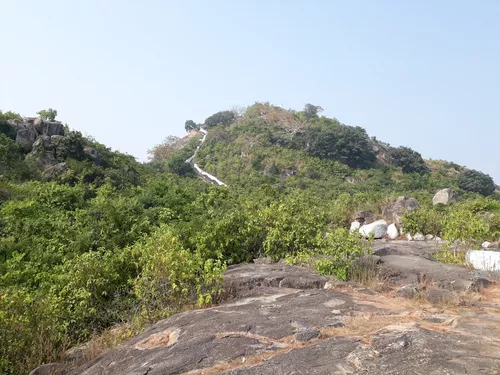
Brahmayoni
HISTORICALReligious significance
Places To Eat

Jungle restaurant

The Baudhik

FRESHOP Cafe & Restro

The Chocolate Room Gaya

Paprika Fine Dine Pure Veg Restaurant

FLY DINE RESTAURANT

Restaurant Gaudi

Nirvana The Veg Cafe

BLACKHEART CAFE

Baba Family Restaurant C/O- Hotel Shakti & Banquets

Masala Twist Cafe and Restaurant (veg and non veg))

PIND BALLUCHI A VILLAGE RESTAURANT

The Spice Affair - Kirani Ghat

Coffee Roaster's

The Spice Affair- Gandhi Maidan

LEVEL 4 ROOFTOP RESTAURANT

FUJIYA GREEN RESTAURANT

Royal Rail Restro

Jungle safari restaurant

Bhaiyo Ka Dhaba 2.0 Restaurant
How to Reach
Places to Stay