


Hong Kong is popular for
Hong Kong in next 3 month 7/24°C10/27°C14/26°C
 17/29°C20/32°C
 25/33°C25/34°C24/32°C24/33°C18/34°C13/30°C15/23°COctober in Hong Kong brings cooler temperatures with occasional rain showers and moderate air quality.
Weather in Hong Kong
jan
7/24°CAQI 46
feb
10/27°CAQI 29
mar
14/26°CAQI 43
apr
17/29°CAQI 39
may
20/32°CAQI 33
jun
25/33°CAQI 18
jul
25/34°CAQI 17
aug
24/32°CAQI 18
sep
24/33°CAQI 20
oct
18/34°CAQI 31
nov
13/30°CAQI 37
dec
15/23°CAQI 41
Usual trip duration
3-4 days
A 3-4 day trip to Hong Kong allows you to explore the vibrant city, visit iconic landmarks such as Victoria Peak and the Big Buddha, indulge in delicious street food, and experience the bustling nightlife. It's a perfect duration to get a taste of the city's culture and attractions.💰
Moderately expensiveThings To Do
Ideas To Plan Your Trip
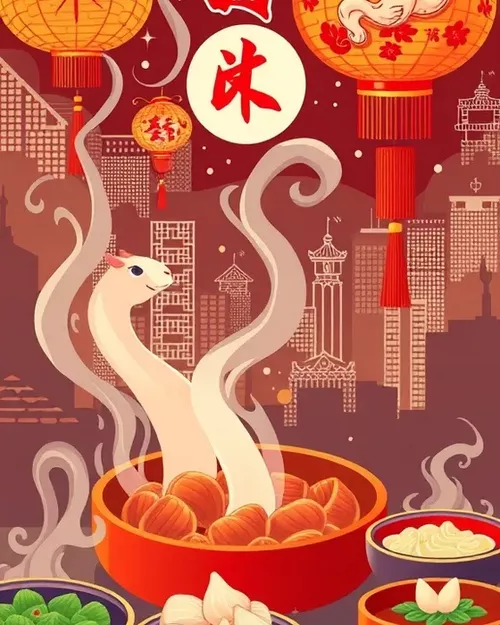
Dim Sum Delight: Savor authentic Cantonese cuisine 🥟
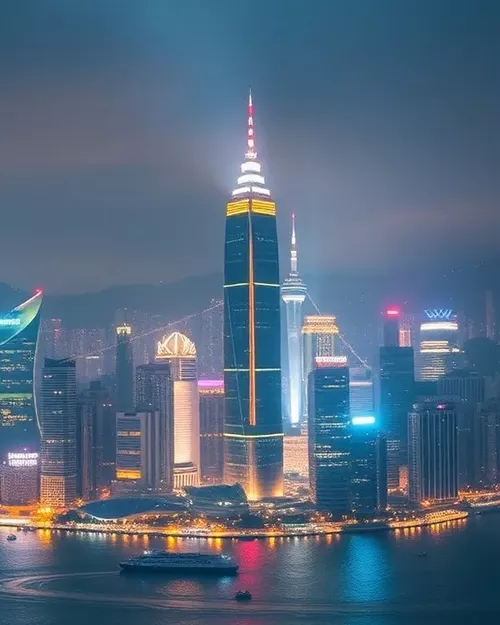
Skyline Symphony: Marvel at the cityscape at night 🌃
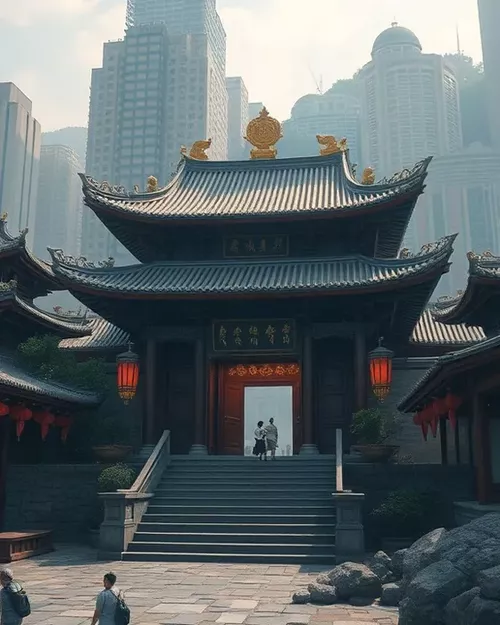
Temple Exploration: Discover ancient spiritual sanctuaries ðŸ¯
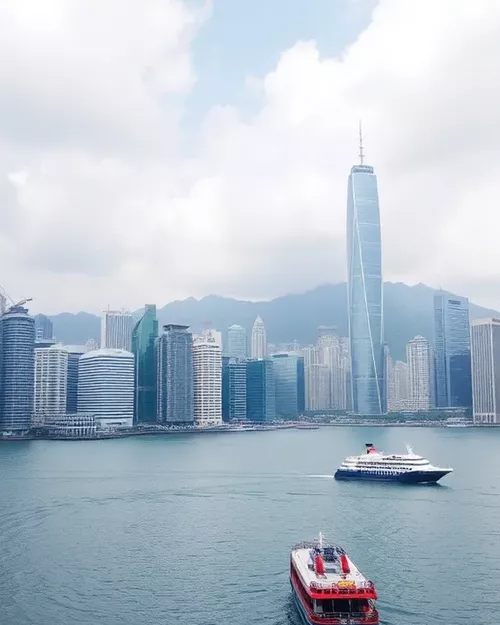
Harbor Cruise: Glide through bustling waterways 🚢

Street Food Adventure: Indulge in local culinary gems ðŸœ

Island Hopping: Explore surrounding picturesque islands ðŸï¸
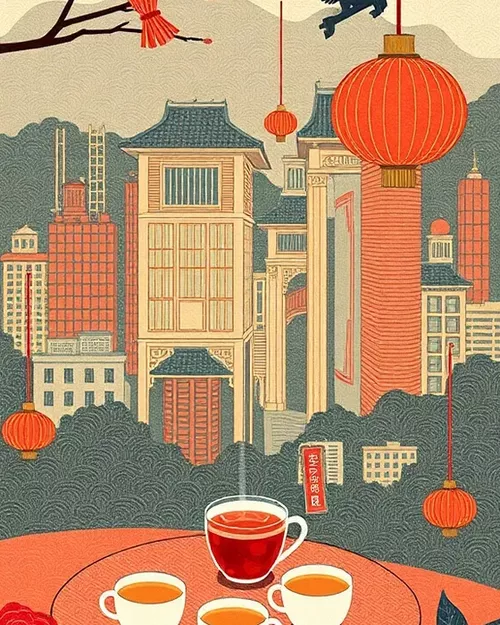
Tea Tasting: Experience traditional Chinese tea culture ðŸµ

Hiking Escapade: Embark on scenic trails and peaks ðŸžï¸

Feng Shui Tour: Learn about ancient design philosophy 🧘
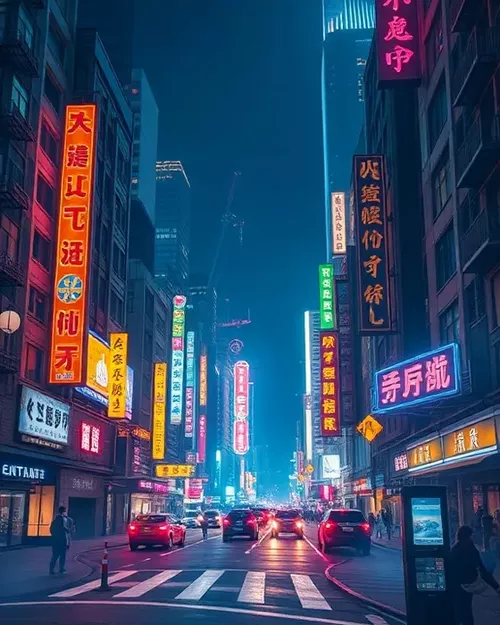
Neon Lights Stroll: Immerse in vibrant urban energy ✨
Places To Visit

Victoria Peak
MOUNTAINPanoramic city views

Hong Kong Disneyland
THEME PARKMagical family fun

Ocean Park
AMUSEMENT PARKMarine life and thrilling rides

Wong Tai Sin Temple
TEMPLEColorful and ornate architecture

Lantau Island
ISLANDScenic nature and hiking trails

Soho
DISTRICTTrendy bars and restaurants

Repulse Bay
BEACHRelaxing coastal scenery

Temple Street Night Market
NIGHT MARKETVibrant nightlife and stalls

Hong Kong Zoo and Botanical Gardens
ZOOExotic animals and lush flora
Places To Eat

Paradise Dynasty

MY KITCHEN TIBETAN HALAL RESTAURANT

Tim Ho Wan (Central)

Honjo

Le Moment

L'Envol

Tim Ho Wan (West Kowloon Station)

Eastern Delights (Mr Wong’s Restaurant)

Little Bao

One Dim Sum

Tin Lung Heen | The Ritz-Carlton, Hong Kong

Lai Ching Heen (Yan Toh Heen)

Amber

Arbor

VEA Restaurant

Restaurant Petrus

El Taquero

aqua

Mott 32

Carbone Hong Kong
How to Reach
Places to Stay