


Indonesia is popular for
Indonesia in next 3 month 25/30°C24/29°C25/30°C25/31°C25/30°C25/30°C
 26/30°C
 26/30°C26/30°C26/30°C25/30°C26/30°CAugust in Indonesia experiences similar hot and humid conditions with occasional rain showers and moderate air quality.
Weather in Indonesia
jan
25/30°CAQI 13
feb
24/29°CAQI 11
mar
25/30°CAQI 12
apr
25/31°CAQI 14
may
25/30°CAQI 19
jun
25/30°CAQI 15
jul
26/30°CAQI 16
aug
26/30°CAQI 18
sep
26/30°CAQI 22
oct
26/30°CAQI 31
nov
25/30°CAQI 26
dec
26/30°CAQI 17
Usual trip duration
1 week
For a comprehensive trip to Indonesia, a week-long vacation allows you to explore multiple islands, experience diverse cultures, visit ancient temples, and enjoy outdoor activities such as hiking, snorkeling, and surfing.💰
Budget friendly with some expensive optionsThings To Do
Ideas To Plan Your Trip

Beachfront Meditation Retreat

Culinary Adventure Tour

Wildlife Safari Experience
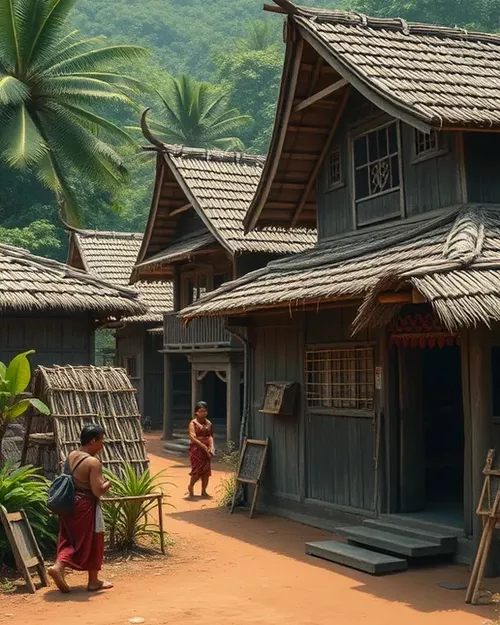
Heritage Village Exploration

Water Sports Extravaganza
Places To Visit

Borobudur Temple
HISTORICALAncient Buddhist temple complex

Ubud Monkey Forest
NATURESacred monkey sanctuary

Gili Islands
ISLANDSTropical paradise for relaxation

Komodo National Park
WILDLIFEHome to Komodo dragons

Seminyak Beach
BEACHTrendy beach with vibrant nightlife
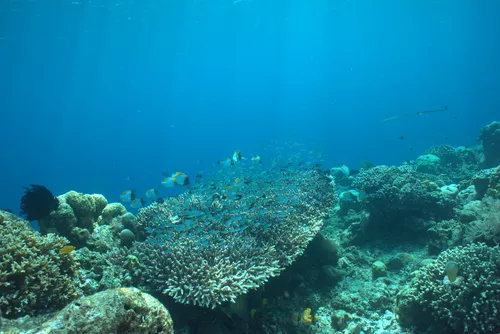
Bunaken National Marine Park
MARINEDiverse marine life for diving
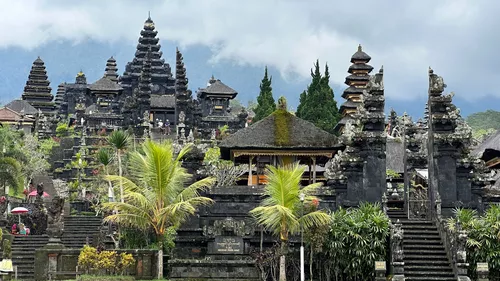
Pura Besakih
RELIGIOUSMother temple of Bali

Bromo Tengger Semeru National Park
VOLCANICSpectacular volcanic landscapes
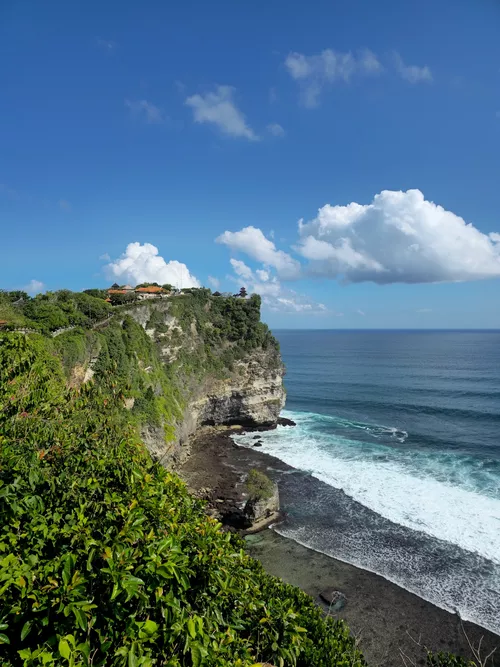
Uluwatu Temple
SCENICClifftop temple with ocean views

Baliem Valley
TREKKINGRemote highland region for trekking

Pantai Tanjung Benoa
WATERSPORTSWater sports and beach activities
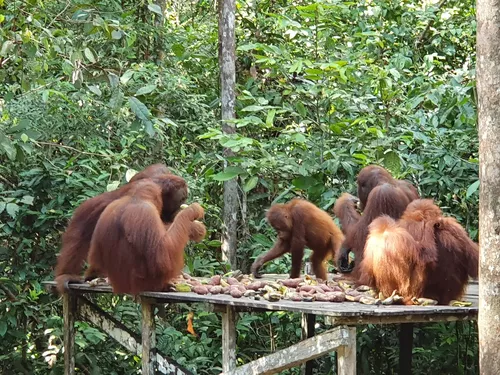
Tanjung Puting National Park
WILDLIFEOrangutan conservation area

Pulau Weh
DIVINGUntouched diving paradise

Pura Taman Ayun
ARCHITECTUREBeautiful royal temple complex

Pantai Kuta
SURFINGFamous surfing beach
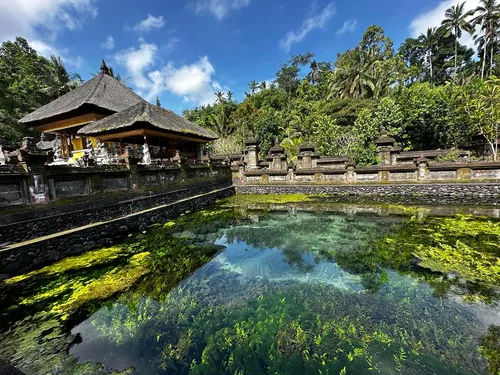
Tirta Empul Temple
SPIRITUALHoly water temple for purification

Bali Barat National Park
NATURERich biodiversity and birdwatching
Places To Eat

Kembali Ke Alam Citamiang

Jung Chan Dining

Kaukau Restaurant Ubud

Mie Gacoan Mojosari

Plataran Menteng

Plataran Dharmawangsa

Kubu at Mandapa

Locavore NXT

Dapur Bali Mula

Amsterdam Restaurant Ubud

Warung Indonesia

RM Pagi Sore Cipete

Warung Mek Juwel Nasi Campur Ayam

Kaum Jakarta

Sugar & Spice

PA.SO.LA Restaurant

Warung Bu Kris Fatmawati

Mozaic

Nusantara by Locavore Group

AMUZ Gourmet Restaurant
How to Reach
Places to Stay