


Israel is popular for
Israel in next 3 month
Weather in Israel
jan

5/24°C
AQI 27
feb
3/26°C
AQI 19
mar
6/31°C
AQI 12
apr
6/35°C
AQI 11
may
10/38°C
AQI 20
jun
15/41°C
AQI 20
jul
18/41°C
AQI 10
aug
19/42°C
AQI 13
sep
17/41°C
AQI 19
oct
15/34°C
AQI 13
nov
8/31°C
AQI 22
dec
9/21°C
AQI 37
April in Israel is mild with clear skies and moderate air quality.
Usual trip duration
5-7 days
A 5-7 day trip to Israel allows you to explore the diverse cultural and historical sites, including Jerusalem, Tel Aviv, the Dead Sea, and the ancient city of Masada. You can also experience the vibrant food scene and beautiful beaches along the Mediterranean Sea.
💰
Moderate to expensive
Places to Stay
Things To Do
Ideas To Plan Your Trip
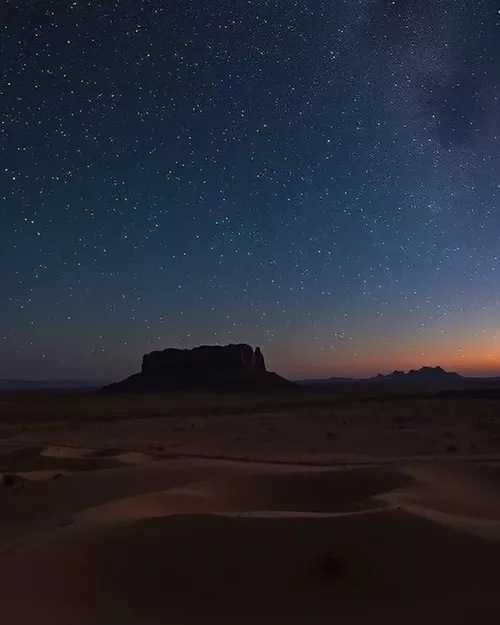
Join a stargazing tour in the desert
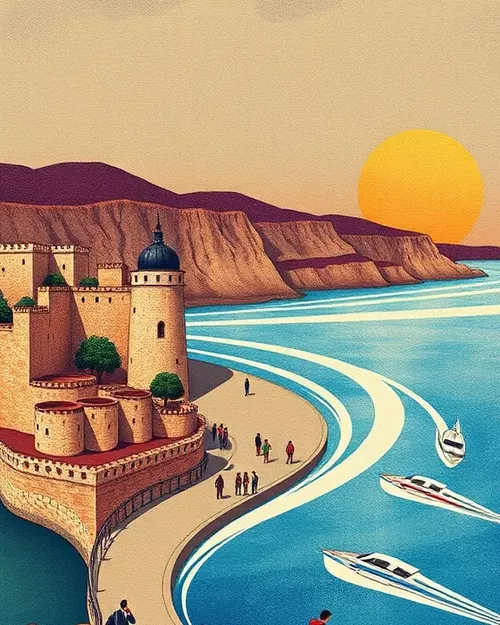
Embark on a food trail through vibrant markets

Participate in a wellness retreat focused on mindfulness
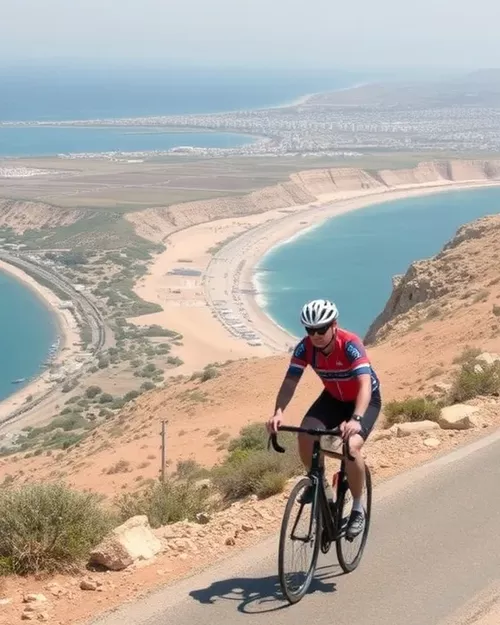
Enjoy a cycling tour with breathtaking sea views

Take part in immersive historical experiences
Places To Visit

Masada
HISTORICAL SITE
Ancient fortress with stunning views

Tel Aviv Beaches
BEACH
Lively and vibrant coastal area

Baha'i Gardens
GARDEN
Beautiful terraced gardens

Yad Vashem Holocaust Memorial
MEMORIAL
Commemorates Holocaust victims

Eilat Coral Reefs
NATURAL WONDER
Colorful underwater marine life

Haifa Baha'i Temple
RELIGIOUS SITE
Architectural marvel on Mount Carmel

Timna Park
NATURAL WONDER
Red rock formations and arches

Caesarea Maritime Archaeological Site
HISTORICAL SITE
Ancient Roman port city ruins

Akko Harbor
HISTORICAL SITE
Picturesque Mediterranean port
Places To Eat

VIVINO - חיפה

Life Deli

269 TwoSixNine Vegan Restaurant Frankfurt

Kuli Alma

Dominion Food Revolution | Vegan, kosher / israeli Restaurant & Catering

Night Kitchen

Bicicletta

Roberta Vinci

Goocha Dizengoff

Hatraklin Meat & Wine Bistro

Night Kitchen

Hummus Küch'

Mona

OH LA LA

Mashya

Cramim Restaurant

Satya

Feinberg’s

Machneyuda

BAR SHUKA Restaurant & Bar
How to Reach