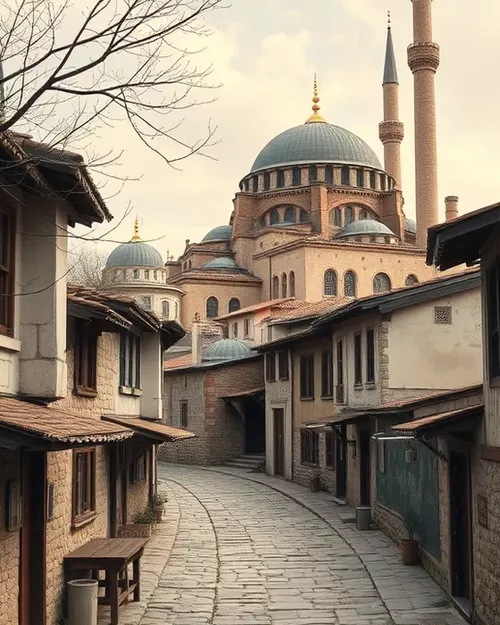
Istanbul in next 3 month
December in Istanbul is cold and wet with moderate air quality.
Usual trip duration
A 3-4 day trip to Istanbul allows you to explore the iconic landmarks such as the Blue Mosque, Hagia Sophia, and Topkapi Palace. You can also take a Bosphorus cruise, visit the Grand Bazaar, and indulge in the delicious Turkish cuisine.
Moderate to expensive
The best time to visit Istanbul is during the spring (April-May) and autumn (September-October) months. During these periods, the weather is mild and pleasant, perfect for exploring the city's historical sites and enjoying outdoor activities. The summer months (June-August) can be hot and humid, while the winter months (November-March) can be cold and sometimes snowy. However, if you prefer fewer crowds and lower prices, the shoulder seasons (early spring or late autumn) can also be a good option. Istanbul is beautiful year-round, but spring and autumn offer the most comfortable conditions for sightseeing.
Istanbul is a major transportation hub, making it easily accessible from various parts of the world. Here's how you can reach Istanbul:
Istanbul is a city steeped in history and culture, offering a plethora of attractions for visitors. Here are some of the must-visit places:
Istanbul offers a diverse range of activities to suit every interest. Here are some popular options:
Istanbul's strategic location makes it a great base for exploring other interesting destinations in Turkey. Here are a few popular options for day trips or longer excursions:
Istanbul is a shopper's paradise, offering everything from traditional bazaars to modern shopping malls. Here are some of the best places to shop:
Istanbul boasts a vibrant culinary scene, offering a delightful mix of traditional Turkish flavors and international cuisines. Here are some of the best restaurants and culinary experiences to try:
The local currency in Istanbul (and all of Turkey) is the Turkish Lira (TRY). It's advisable to have some Turkish Lira on hand for smaller purchases, transportation, and tipping. While credit cards are widely accepted in larger establishments, smaller shops and markets may prefer cash. Here's where you can exchange money:
It's generally recommended to avoid exchanging large amounts of money at airports or hotels, as their rates tend to be less competitive. Before your trip, check the current exchange rate to get an idea of what to expect.
Learning a few basic Turkish phrases can greatly enhance your experience in Istanbul and show respect for the local culture. Here are some essential phrases to get you started:
Even attempting these basic phrases will be appreciated by locals and can help you navigate everyday situations.
In Istanbul and throughout Turkey, the standard electrical outlets are Type C and Type F. These outlets typically have two round pins. The standard voltage is 220 V, and the frequency is 50 Hz.
If your devices use a different type of plug or voltage, you will need to bring a plug adapter and/or a voltage converter. Most modern devices like laptops, smartphones, and tablets are designed to handle a range of voltages (usually 100-240V), so you may only need a plug adapter to fit the Turkish outlets. However, if your device is only designed for a specific voltage (e.g., 110V), you will need a voltage converter in addition to the plug adapter.
It's always a good idea to check the power requirements of your electronic devices before traveling and pack the necessary adapters and converters to avoid any issues.
Istanbul is generally considered a safe city for tourists, but like any major metropolitan area, it's important to be aware of your surroundings and take certain precautions to protect yourself from petty crime and scams. Here are some safety tips for tourists in Istanbul:
By taking these precautions, you can have a safe and enjoyable trip to Istanbul.
Istanbul has a comprehensive and efficient public transportation system, making it easy to get around the city. Here are the various options available:
To use public transportation in Istanbul, it's recommended to purchase an Istanbulkart, a rechargeable card that can be used on trams, metros, buses, and ferries. You can purchase an Istanbulkart at kiosks and vending machines located at major transportation hubs. Using an Istanbulkart is more economical than buying individual tickets.