Joshimath in next 3 month
December in Joshimath is cold with occasional snowfall and moderate air quality.
Usual trip duration
A 2-3 day trip to Joshimath allows you to explore the scenic beauty of the town, visit the famous Narsingh Temple, and take a cable car ride to Auli for breathtaking views of the Himalayas.
Affordable with limited luxury options
The best time to visit Joshimath is during the months of April to June and September to November. The summer months (April-June) offer pleasant weather, ideal for trekking and sightseeing. The post-monsoon months (September-November) provide clear skies and stunning views of the Himalayan peaks. Avoid visiting during the monsoon season (July-August) due to heavy rainfall and potential landslides. Winter months (December-March) are extremely cold with heavy snowfall, which might restrict travel and accessibility to some areas.
Joshimath is well-connected by road to major cities in Uttarakhand. The nearest airport is Jolly Grant Airport in Dehradun, and the nearest railway station is Rishikesh. Here’s a breakdown:
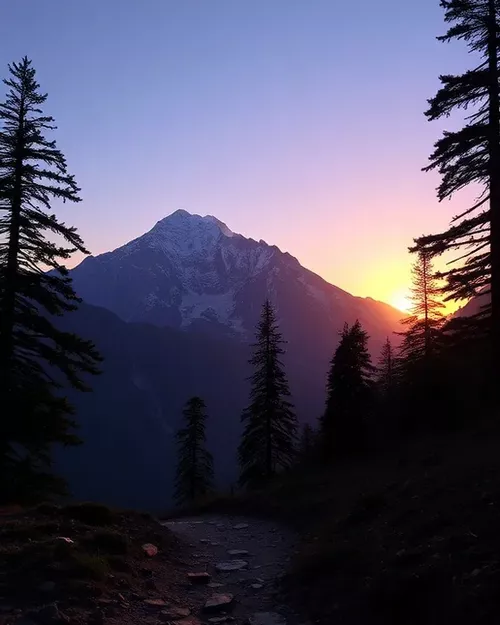
Joshimath, a gateway to several Himalayan expeditions, offers a blend of religious significance and natural beauty. Here are some must-visit attractions:
These attractions make Joshimath a compelling destination for pilgrims, adventure enthusiasts, and nature lovers alike.
Joshimath offers a variety of activities, catering to different interests and preferences:
Whether you're seeking adventure, spiritual solace, or simply a peaceful retreat, Joshimath has something to offer.
Joshimath is strategically located, making it an ideal base for exploring several nearby attractions. Here are some popular destinations:
While Joshimath isn't a major shopping hub, you can find some local items and souvenirs:
For a wider range of shopping options, consider visiting larger towns like Rishikesh or Dehradun before or after your visit to Joshimath.
Joshimath offers a variety of dining options, ranging from local eateries to restaurants serving Indian and continental cuisine:
Be sure to try the local specialties and enjoy the warm hospitality of the restaurants in Joshimath.
Yes, Joshimath and the surrounding region are prone to landslides, especially during the monsoon season (July-August) and sometimes during periods of heavy snowfall. The area's geological fragility, combined with heavy rainfall, increases the risk of landslides and road blockages. It's crucial to take the following precautions:
The type of clothing you should pack for Joshimath depends on the time of year you're visiting. Here's a general guideline:
Regardless of the season, it's always a good idea to dress in layers so you can adjust your clothing to changing weather conditions. Don't forget sunscreen, sunglasses, and a hat to protect yourself from the sun's rays.
Yes, there are ATMs and banks in Joshimath, but it's advisable to carry sufficient cash, especially if you plan to visit remote areas or smaller villages. ATMs can sometimes be unreliable or run out of cash, and card payments may not be accepted everywhere. It's best to withdraw cash from reliable ATMs in larger towns like Rishikesh or Dehradun before heading to Joshimath.
Here are a few tips for managing your finances in Joshimath:
Generally, no special permits are required to visit Joshimath itself. However, certain nearby areas, particularly those close to the Indo-Tibetan border or within protected areas, may require permits. It's essential to check the latest regulations before your trip. Here's a breakdown:
It's always advisable to check with the local authorities, tourism office, or your tour operator for the most up-to-date information on permit requirements before your trip. Ensure you have the necessary documents, such as identification and passport photos, when applying for permits.
Joshimath has been facing a significant challenge with land subsidence in recent years, which has caused concern among residents and authorities. Land subsidence refers to the sinking or settling of the ground surface, often due to factors like geological instability, construction activities, and changes in groundwater levels.
Current Situation: The land subsidence has led to cracks in buildings, roads, and other infrastructure, causing damage and displacement of residents. The government and various organizations are actively involved in assessing the situation, providing relief to affected families, and implementing measures to mitigate the impact.
Travel Advisory: Before planning a trip to Joshimath, it's essential to stay informed about the current situation and any travel advisories issued by local authorities. Keep an eye on news updates and government guidelines regarding safety precautions and alternative routes.
Support and Solidarity: It's crucial to approach the situation with sensitivity and respect for the local community. Travelers can contribute by supporting local businesses, following safety guidelines, and avoiding actions that could exacerbate the situation. Staying informed and responsible can help ensure a safe and respectful visit to Joshimath while being mindful of the challenges faced by its residents.