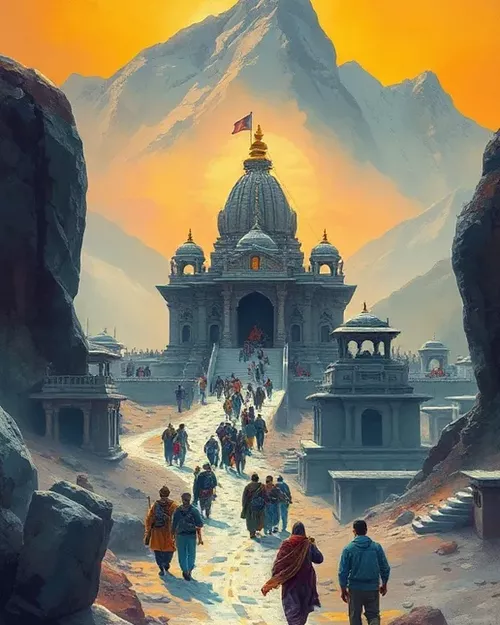
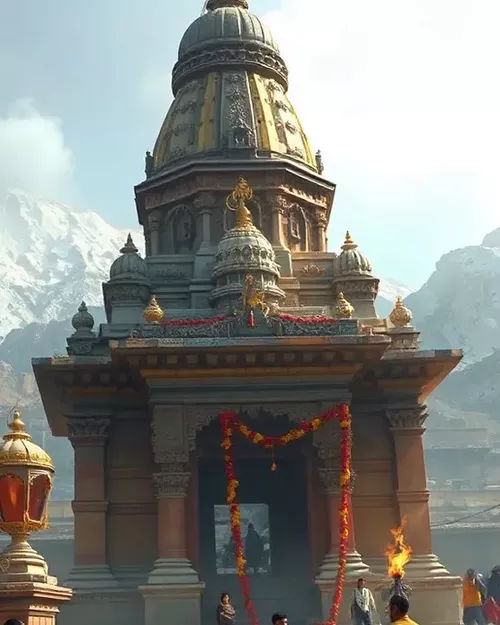
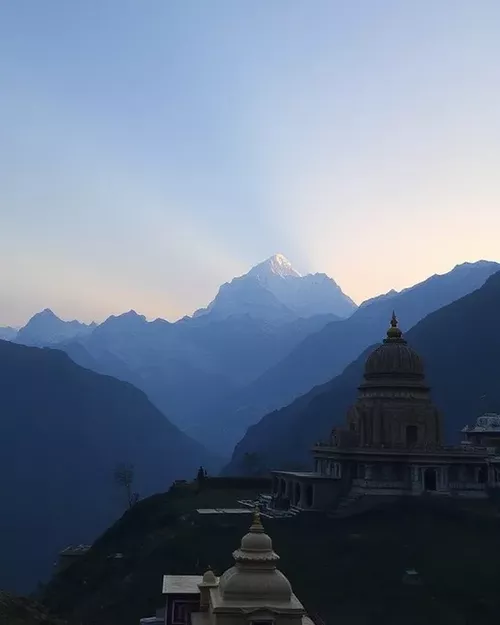
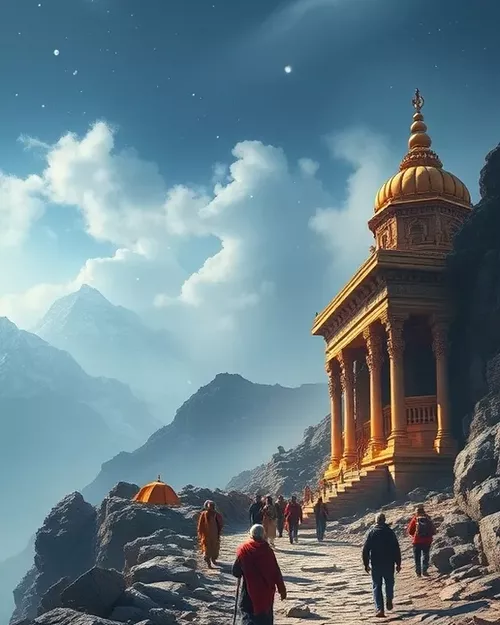
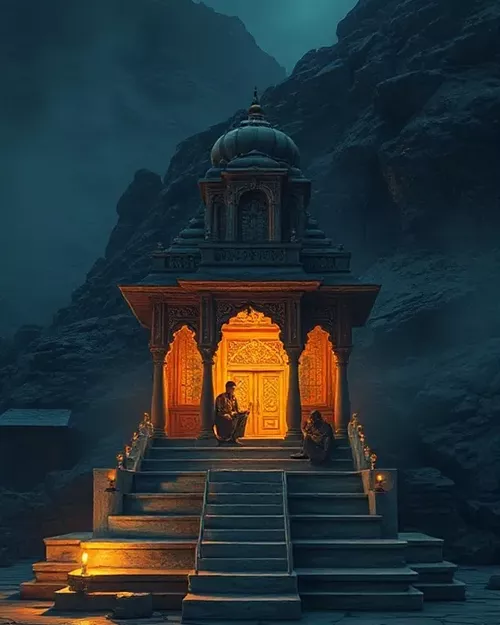
Kedarnath in next 3 month
December in Kedarnath is very cold with snowfall and very low air pollution levels.
Usual trip duration
A 3-4 day trip to Kedarnath allows you to embark on a spiritual journey, visit the famous Kedarnath Temple, and explore the natural beauty of the surrounding mountains and valleys. It also provides time for acclimatization to the high altitude.
Moderate to expensive
The best time to visit Kedarnath is from May to June and September to October. During these months, the weather is pleasant and the temple is accessible after the winter snowfall has cleared. The monsoon season (July-August) is best avoided due to heavy rainfall and potential landslides. Visiting in May-June offers a chance to see the snow-capped peaks in all their glory, while September-October provides clear skies and a comfortable temperature for trekking. Note that the temple is closed for the winter months, usually from November to April, due to heavy snowfall and extreme weather conditions. Always check for the official opening and closing dates before planning your trip, as these dates can vary slightly each year based on astrological calculations.
Reaching Kedarnath involves a combination of road and trekking. The nearest airport is Jolly Grant Airport in Dehradun, which is about 239 km from Gaurikund, the starting point of the trek. From Dehradun, you can hire a taxi or take a bus to Gaurikund. The nearest railway station is Rishikesh, about 216 km from Gaurikund. Similarly, you can hire taxis or find bus services from Rishikesh to Gaurikund. From Gaurikund, you'll need to trek approximately 16 km to reach Kedarnath. Pony and palanquin services are also available for those who prefer not to trek. Alternatively, helicopter services are available from Phata, Guptkashi, and Sirsi to Kedarnath, significantly reducing travel time. However, helicopter services are subject to weather conditions and require advance booking. It is essential to consider altitude sickness precautions when travelling to Kedarnath due to the high altitude.
Kedarnath is primarily known for the Kedarnath Temple, one of the twelve Jyotirlingas of Lord Shiva. The temple's stunning architecture and spiritual significance draw pilgrims from all over the world. Aside from the temple, the scenic beauty of the surrounding Himalayan landscape is a major attraction. The Chorabari Tal (Gandhi Sarovar) is a glacial lake located a few kilometers from Kedarnath, offering breathtaking views. Bhairav Temple, situated near the Kedarnath Temple, is dedicated to Lord Bhairav and offers panoramic views of the valley. Vasuki Tal, a high-altitude lake, is another beautiful spot to visit, though it requires a more challenging trek. The overall atmosphere of Kedarnath, with its serene surroundings and spiritual energy, makes it a truly memorable destination. Consider exploring the area around the Mandakini River for a peaceful experience.
The primary activity in Kedarnath is visiting the Kedarnath Temple and participating in the religious ceremonies. The 16 km trek to Kedarnath is also an experience in itself, offering stunning views of the Himalayas. You can also visit nearby attractions like Chorabari Tal (Gandhi Sarovar) for its serene beauty and Bhairav Temple for panoramic views. For adventurous travelers, trekking to Vasuki Tal is a rewarding experience, although it requires a higher level of fitness. Meditation and yoga are popular activities in Kedarnath, given the peaceful and spiritual environment. Photography enthusiasts will find plenty of opportunities to capture the breathtaking landscapes. Remember to respect the local customs and traditions while participating in these activities. Engage with the local culture to understand the essence of the place.
Shopping options in Kedarnath are limited, primarily focusing on religious items and souvenirs. You can find shops selling prayer beads, idols of Lord Shiva, religious texts, and other puja-related items near the temple. Small shops also offer local handicrafts, woolen garments, and shawls to keep you warm in the cold climate. It's a good place to pick up a memento of your pilgrimage. Gaurikund, the base camp for the Kedarnath trek, also has some shops selling similar items. However, don't expect a wide variety of goods or high-end shopping experiences in Kedarnath. The focus is more on spiritual and religious items rather than commercial shopping. Bargaining is generally acceptable in these shops. Remember to support the local economy by purchasing from small vendors.
Restaurant options in Kedarnath are basic but cater to the needs of pilgrims. You can find small eateries and dhabas (roadside restaurants) that serve simple vegetarian meals, primarily focusing on North Indian cuisine. Common dishes include dal, roti, rice, vegetables, and noodles. Given the high altitude and cold weather, hot tea and coffee are readily available. Many of these eateries also offer packaged snacks and biscuits. Be aware that non-vegetarian food is strictly prohibited in Kedarnath due to its religious significance. Gaurikund and Sonprayag, the towns before the trek, also offer a variety of restaurants and food stalls. Due to the remote location, expect the prices to be slightly higher than usual. Focus on hygienic places to avoid any health issues during your visit. Many restaurants offer basic facilities like restrooms.
Several beautiful destinations can be visited near Kedarnath, making it part of a larger Himalayan exploration. Badrinath, another important pilgrimage site in the Char Dham Yatra, is located approximately 215 km from Kedarnath and is accessible by road after the Kedarnath temple closes. Chopta, also known as 'Mini Switzerland,' is a scenic hill station famous for its meadows and trekking trails, including the Tungnath Temple trek (the highest Shiva temple in the world). Ukhimath, the winter seat of Lord Kedarnath, is another destination worth visiting, especially if you are traveling during the winter months when the Kedarnath temple is closed. Guptkashi, located on the way to Kedarnath, is home to the ancient Vishwanath Temple and Manikarnika Kund. Sonprayag, the confluence of the Basuki and Mandakini rivers, is a picturesque spot and the starting point for the Kedarnath trek. These destinations provide a mix of religious, scenic, and adventure opportunities.
Packing appropriately for Kedarnath is crucial due to its high altitude and unpredictable weather. Layers are key! Pack thermal wear to keep your body warm, followed by woolen sweaters and a heavy jacket. A windproof and waterproof outer layer is essential to protect you from rain and wind. Don't forget warm socks, gloves, and a woolen cap or beanie. Comfortable trekking shoes are a must for the 16 km trek to Kedarnath. Sunglasses are important to protect your eyes from the glare of the sun on the snow. Also, carry a raincoat or poncho in case of sudden showers. Due to the religious significance of the place, dressing modestly is recommended. Cotton clothes are best avoided as they retain moisture and can make you feel colder. Always check the weather forecast before you start your journey and adjust your packing accordingly.
Trekking to Kedarnath requires preparation and awareness. Acclimatize properly to the high altitude by spending a day or two at a lower altitude before starting the trek to prevent altitude sickness. Stay hydrated by drinking plenty of water throughout the trek. Carry essential items like energy bars, dry fruits, and a first-aid kit. Pace yourself and avoid overexertion. Take frequent breaks to rest and catch your breath. Follow the instructions of your guide or local authorities. Be mindful of the environment and avoid littering. Wear comfortable trekking shoes with good grip. Check the weather forecast before starting your trek. If you experience any symptoms of altitude sickness, such as headache, nausea, or dizziness, descend to a lower altitude immediately. Pony and palanquin services are available for those who are unable to trek. Carry necessary medications and inform your fellow trekkers about any pre-existing medical conditions.
Mobile network connectivity in Kedarnath can be unreliable. BSNL and Jio networks generally provide some coverage, but it can be intermittent and limited to certain areas. Don't rely solely on your mobile phone for communication. Inform your family and friends about the limited connectivity and provide them with a contact number of the hotel or guesthouse where you are staying. Some hotels and guesthouses may offer Wi-Fi services, but the speed and reliability can vary. Satellite phones are a more reliable option for communication, but they can be expensive. Consider purchasing a local SIM card from BSNL or Jio for better connectivity. It's best to inform people beforehand that you might be difficult to reach during your Kedarnath trip. Enjoy the digital detox and immerse yourself in the spiritual atmosphere of the place.
Accommodation options in Kedarnath are limited and basic, primarily catering to pilgrims. You can find guesthouses, lodges, and dharamshalas (pilgrim rest houses) near the temple. Online booking is recommended, especially during peak season. GMVN (Garhwal Mandal Vikas Nigam) also offers accommodation options in Kedarnath. Accommodation options tend to be basic. Gaurikund, Sonprayag, and Guptkashi, located before the trek, offer a wider range of hotels and guesthouses with better amenities. If you prefer more comfortable accommodation, it's best to stay in these towns and travel to Kedarnath for the temple visit. Be prepared for basic facilities and limited services in Kedarnath due to its remote location and high altitude. Carry your own toiletries. Due to cold weather, running hot water could be limited or unavailable in certain accommodations.
To visit Kedarnath, it's essential to obtain the necessary permits and registrations. A biometric registration is mandatory for all pilgrims undertaking the Char Dham Yatra, which includes Kedarnath. This registration can be done online through the Uttarakhand Tourism Development Board (UTDB) website or offline at designated registration centers. You will need to carry a valid photo ID (Aadhar card, passport, or voter ID) for the registration. If you are planning to travel by helicopter, you will need to book your tickets in advance and obtain the necessary approvals. Foreign nationals may require additional permits or visas depending on their nationality. Always check the latest guidelines and regulations issued by the Uttarakhand government before planning your trip. It's advisable to keep copies of your permits and registrations with you at all times during the yatra.