Kyoto in next 3 month
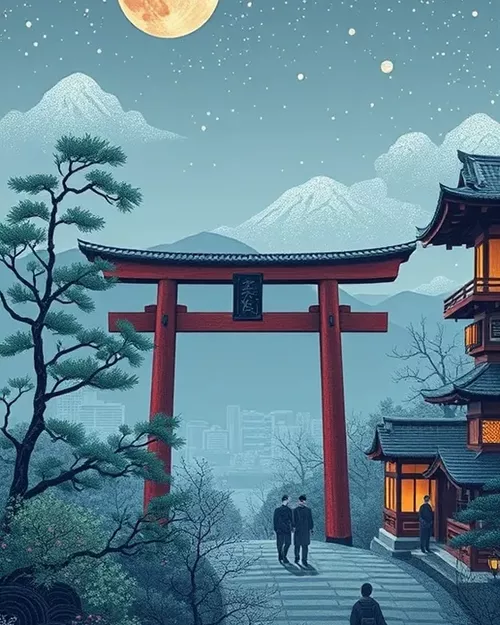
December in Kyoto is cold with occasional snowfall and good air quality.
Usual trip duration
A 3-4 day trip to Kyoto allows you to explore the city's rich history and culture. You can visit iconic temples and shrines, stroll through traditional neighborhoods, and experience a traditional tea ceremony.
Moderate to expensive
The best times to visit Kyoto are during the spring (March to May) and autumn (September to November). In spring, you can witness the breathtaking beauty of cherry blossoms (sakura) in full bloom, creating a magical atmosphere throughout the city. The weather is also pleasant, making it ideal for strolling through gardens and exploring temples. However, this is peak season, so expect larger crowds and higher prices. Autumn offers equally stunning scenery with vibrant fall foliage transforming the landscape into a tapestry of reds, oranges, and yellows. The weather is mild and comfortable for outdoor activities. Early summer (June) can be rainy, and late summer (August) can be hot and humid. Winter (December to February) is less crowded, and while it can be cold, you might experience beautiful snow-covered landscapes, especially at temples and gardens. Consider your priorities - beautiful scenery versus crowd levels and cost - when planning your trip to Kyoto.
Reaching Kyoto is relatively straightforward thanks to Japan's excellent transportation infrastructure. The most common and convenient way is by bullet train (Shinkansen). From Tokyo, the journey takes approximately 2.5 hours on the Tokaido Shinkansen line. From Osaka, Kyoto is only a short 15-30 minute train ride away. The main railway station is Kyoto Station, a modern transportation hub with connections to various JR lines, subway lines, and bus routes. If you're arriving by air, the closest major international airport is Kansai International Airport (KIX) near Osaka. From KIX, you can take the Haruka Express train directly to Kyoto Station in about 75 minutes. Alternatively, you can take a limousine bus, which takes around 90 minutes. Within Kyoto, the public transportation system is very efficient. Buses are the primary mode of transport within the city, covering most major attractions. The subway system has two lines, which are useful for reaching certain areas. Consider purchasing a day pass or ICOCA card for convenient travel on buses and trains. Taxis are also readily available but can be more expensive.
Kyoto, the ancient capital of Japan, is brimming with historical and cultural treasures. Here are some of the must-visit attractions:
Kyoto offers a diverse range of activities to suit various interests. Here are some popular options:
Kyoto is an excellent base for exploring other fascinating destinations in the Kansai region. Here are some popular nearby places to visit:
Kyoto offers a diverse shopping experience, from traditional crafts to modern goods. Here are some of the best places to shop:
Kyoto is a culinary paradise, known for its refined cuisine and unique specialties. Here are some recommended restaurants and food experiences:
Navigating Kyoto is relatively easy due to its well-developed public transportation system. While a car can be convenient, parking can be limited and expensive, and traffic can be heavy, especially during peak season. The most practical and recommended way to get around Kyoto is by combining buses and trains.
Buses: Kyoto's bus network is extensive, covering most major attractions. However, buses can get crowded, especially during rush hour and on weekends. The Kyoto City Bus and Kyoto Bus operate throughout the city. Consider purchasing a Kyoto City Bus & Kyoto Bus One-Day Pass for unlimited travel within a day.
Trains: Kyoto has two subway lines (Karasuma Line and Tozai Line) and several JR lines (Japan Railways) and private railway lines. The subway is efficient for traveling north-south and east-west, while JR lines are useful for reaching areas outside the city center. If you have a Japan Rail Pass, you can use it on JR lines.
Subway: The Kyoto Municipal Subway has two lines that can be helpful to navigate to certain parts of the city. They may not reach everywhere, but they are fast and efficient.
ICOCA Card: A rechargeable IC card like ICOCA or Suica can be used on most buses and trains in Kyoto, making travel more convenient. You can load money onto the card and simply tap it at the ticket gates or bus readers.
Taxis: Taxis are readily available but can be more expensive than buses or trains. They can be a good option for short distances or when traveling in a group.
Walking and Biking: Kyoto is a relatively compact city, and walking is a great way to explore certain areas, especially the Gion district and around temples and gardens. Renting a bicycle is also a popular option, allowing you to cover more ground and enjoy the scenery at your own pace.
Understanding and respecting local customs is crucial for a smooth and enjoyable trip to Kyoto. Here are some essential etiquette tips:
Kyoto can be considered moderately expensive, but it's possible to adjust your budget to suit your needs. Accommodation, transportation, and dining can contribute significantly to your expenses. However, with careful planning and some cost-saving strategies, you can enjoy a memorable trip without breaking the bank.
Accommodation: Hotel prices can range from budget-friendly hostels and guesthouses to luxurious ryokans (traditional Japanese inns). Consider staying in areas slightly outside the city center for more affordable options. Booking in advance is highly recommended, especially during peak season.
Transportation: Purchasing a Kyoto City Bus & Kyoto Bus One-Day Pass or a Japan Rail Pass (if traveling extensively by train) can save money on transportation costs. Walking and biking are also great ways to explore the city and reduce transportation expenses.
Dining: Dining options range from affordable street food stalls and ramen shops to upscale kaiseki restaurants. Eating at local eateries and trying set meals (teishoku) can be more budget-friendly. Consider visiting Nishiki Market for a variety of affordable food options.
Attractions: Many temples and shrines charge admission fees, typically ranging from 400 to 600 yen per site. Purchasing a Kyoto City Sightseeing Pass can offer discounts on entry fees. Consider visiting free attractions, such as parks and gardens, to save money.
Overall: By choosing budget-friendly accommodation, utilizing public transportation efficiently, dining at local eateries, and taking advantage of free attractions, you can enjoy a fulfilling trip to Kyoto without overspending.
Kyoto is renowned for its vibrant festivals and special events, offering unique cultural experiences throughout the year. Planning your visit around one of these events can add a special dimension to your trip. Here are some notable festivals and events:
Before your trip, check the local events calendar for specific dates and details, as some festival dates may vary slightly each year.
Kyoto's central location in the Kansai region makes it an excellent base for exploring the surrounding areas. Numerous day trips offer opportunities to delve deeper into Japanese culture, history, and natural beauty. Here are a few recommended options:
Before embarking on a day trip, check train schedules and consider purchasing a suitable transportation pass for cost savings.