


India is popular for
India in next 3 month 9/31°C12/35°C17/36°C20/41°C19/43°C24/43°C
 24/35°C
 23/33°C23/32°C15/34°C16/31°C19/30°COctober in India brings cooler temperatures with misty weather and improved air quality.
Weather in India
jan
9/31°CAQI 85
feb
12/35°CAQI 66
mar
17/36°CAQI 75
apr
20/41°CAQI 37
may
19/43°CAQI 46
jun
24/43°CAQI 41
jul
24/35°CAQI 42
aug
23/33°CAQI 46
sep
23/32°CAQI 45
oct
15/34°CAQI 70
nov
16/31°CAQI 70
dec
19/30°CAQI 96
Usual trip duration
1 week
For a comprehensive trip to India, a week-long visit allows you to explore multiple cities, experience diverse cultures, visit iconic landmarks such as the Taj Mahal, and immerse yourself in the rich history and traditions of the country.💰
Affordable to moderate expensesThings To Do
Ideas To Plan Your Trip
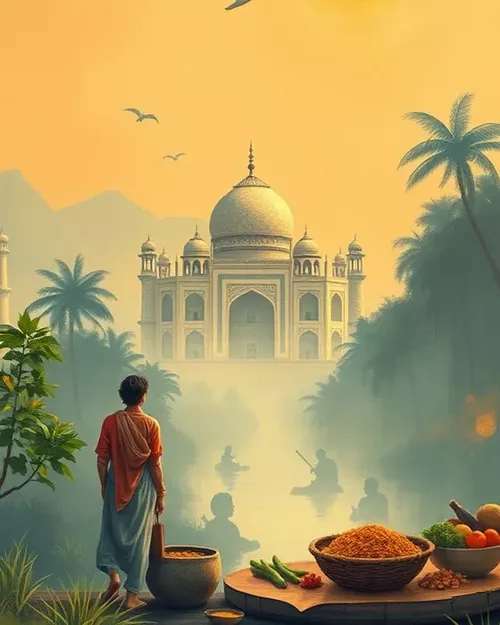
Embark on a food trail exploring India's rich culinary heritage.
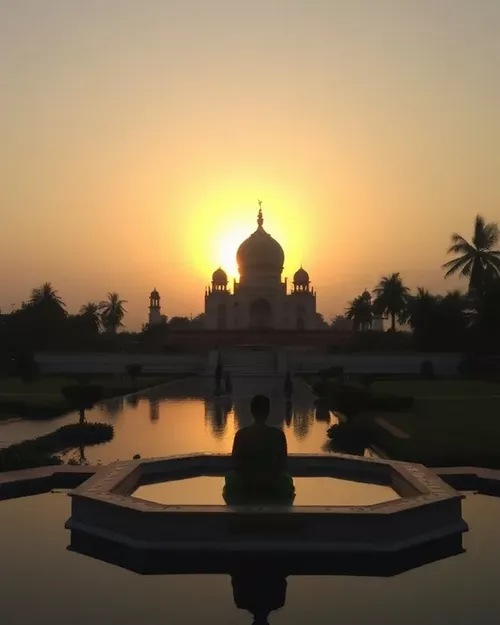
Join a wellness retreat focused on yoga and meditation.

Experience guided walks through historical neighborhoods.
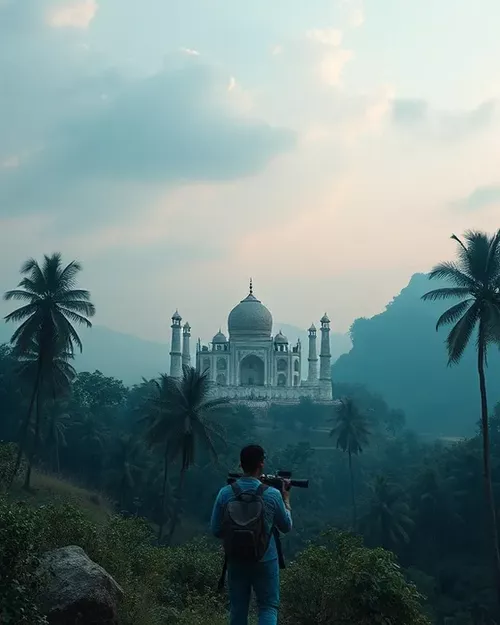
Engage in outdoor adventures like trekking and river rafting.
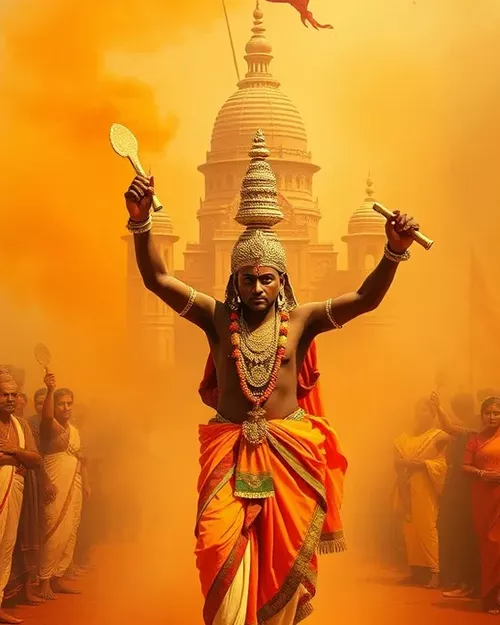
Participate in vibrant festivals showcasing culture and traditions.
Places To Visit

Taj Mahal
MONUMENTIconic white marble mausoleum

Jaipur City Palace
PALACEHistoric royal residence

Goa Beaches
BEACHRelaxing and vibrant coastal areas

Munnar Hill Station
HILL STATIONScenic tea plantations and mountains

Ellora Caves
HISTORICALAncient rock-cut temples

Kolkata Victoria Memorial
MEMORIALImposing marble monument

Udaipur City Palace
PALACEArchitectural marvel on Lake Pichola

Kochi Chinese Fishing Nets
FISHINGTraditional fishing method

Hampi Virupaksha Temple
TEMPLEAncient Hindu place of worship

Darjeeling Tiger Hill
SCENIC VIEWPOINTStunning sunrise views

Mumbai Gateway of India
MONUMENTHistoric arch by the sea

Amritsar Golden Temple
SPIRITUALSacred Sikh pilgrimage site

Shimla Mall Road
SHOPPINGBustling shopping and dining area

Jaisalmer Fort
FORTGolden sandstone fortress

Kerala Backwaters
WATERWAYSTranquil network of canals

Mahabalipuram Shore Temple
TEMPLEAncient rock-cut temple complex

Nainital Naini Lake
LAKEScenic and serene lake
Places To Eat

Indian Accent

Restaurant India Erfurt

Restaurant Ganesha

Restaurant Masala

Tayas Restaurant & Bar

Punjabi Bad'sha - Indisches Restaurant & Eiscafe

India restaurant

Bollywood Indian Restaurant

Restaurant Madras

Delhi Palace

Rani Dhaba

Karavalli

Namaste India Restaurant

India Haus

India House

The Spice Route

Bella India Nordhausen

Suruchi Restaurant

1135 AD

Bollywood memories Indian Restaurant
How to Reach
Places to Stay