


Lumbini is popular for
Lumbini in next 3 month 1/19°C3/20°C
 7/23°C7/31°C11/29°C
 16/32°C17/27°C17/26°C15/27°C10/25°C6/21°C7/19°CJune in Lumbini is very hot with clear skies and high air pollution levels.
Weather in Lumbini
jan
1/19°CAQI 81
feb
3/20°CAQI 89
mar
7/23°CAQI 89
apr
7/31°CAQI 89
may
11/29°CAQI 89
jun
16/32°CAQI 89
jul
17/27°CAQI 89
aug
17/26°CAQI 89
sep
15/27°CAQI 89
oct
10/25°CAQI 89
nov
6/21°CAQI 55
dec
7/19°CAQI 80
Usual trip duration
2-3 days
A 2-3 day trip to Lumbini allows you to explore the birthplace of Buddha, visit the sacred garden, and immerse yourself in the peaceful and spiritual atmosphere of this UNESCO World Heritage site.💰
Very budget friendlyThings To Do
Ideas To Plan Your Trip
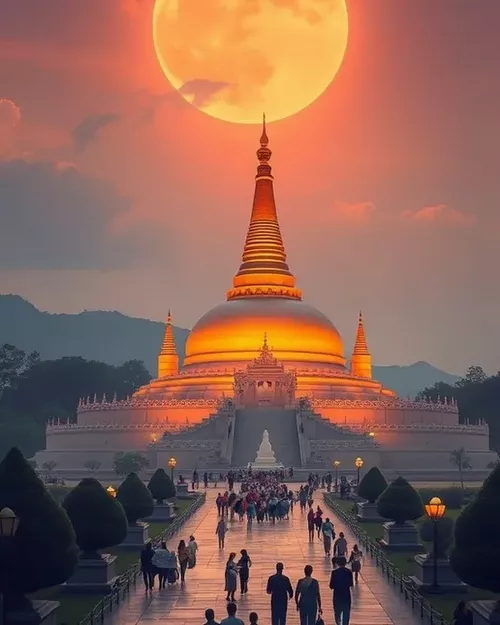
Sacred Pilgrimage: Explore birthplace of Buddha ðŸ™
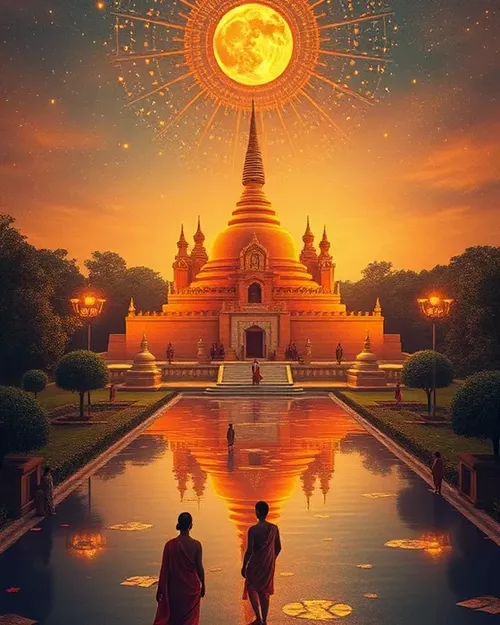
Cultural Immersion: Discover ancient Buddhist traditions 📿
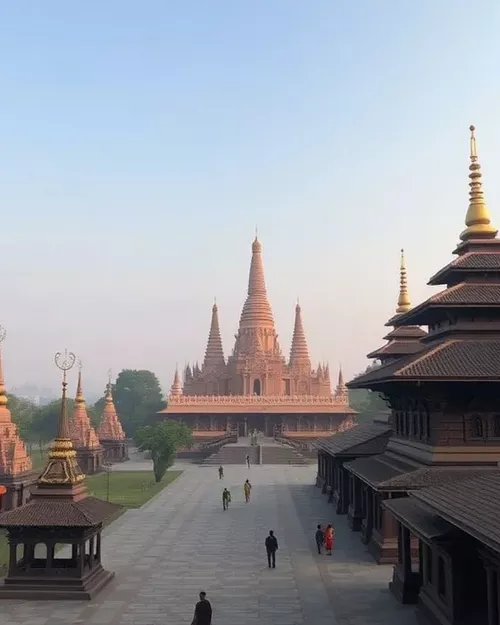
Monastery Retreat: Find peace in tranquil surroundings 🕊ï¸
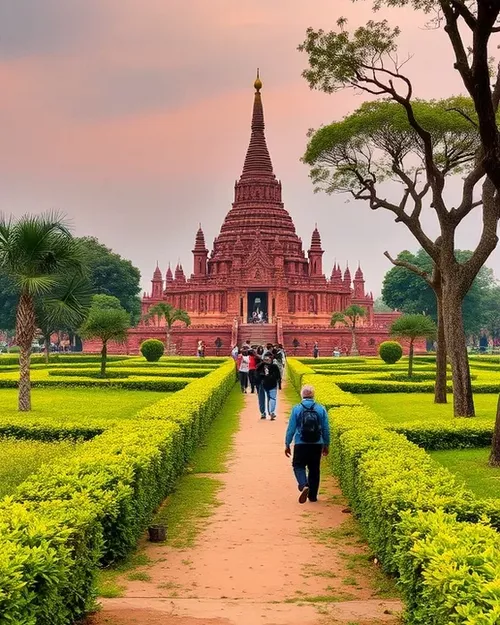
Nature Walks: Wander through serene gardens 🌿
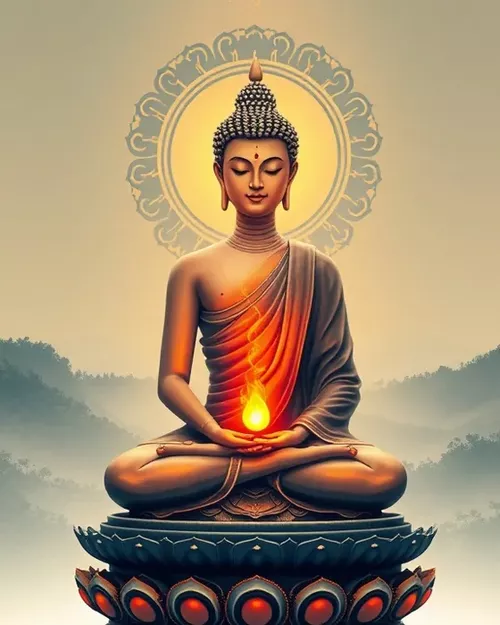
Spiritual Meditation: Connect with inner self in tranquility 🧘
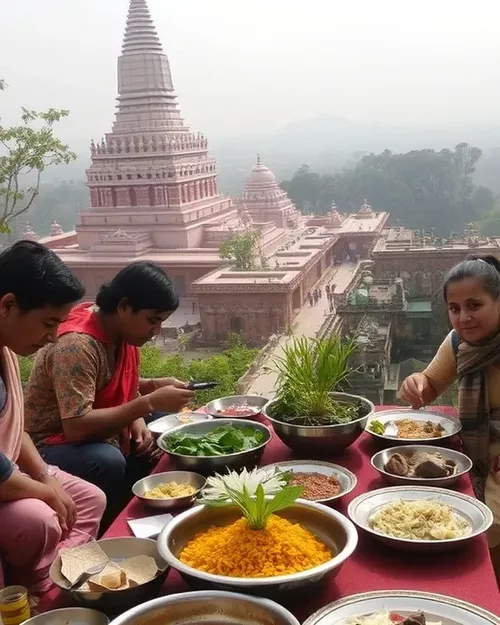
Local Cuisine Tasting: Sample traditional Nepalese flavors ðŸ›
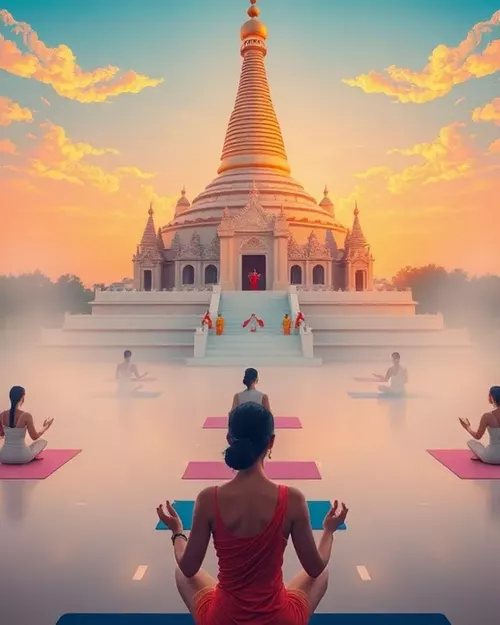
Yoga Sessions: Rejuvenate mind and body 🧘
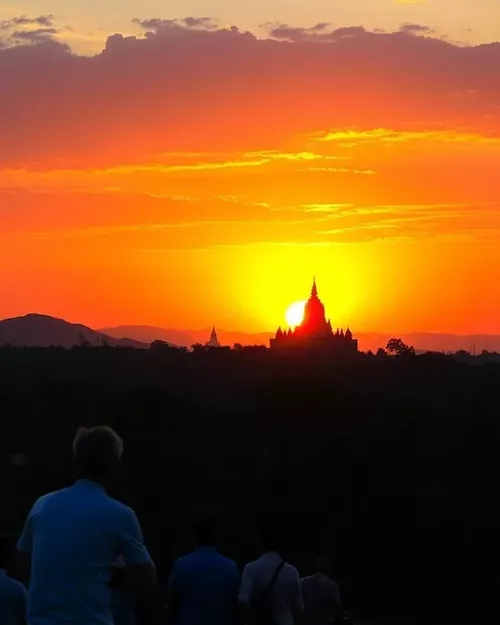
Sunset Watching: Witness breathtaking views over sacred sites 🌅
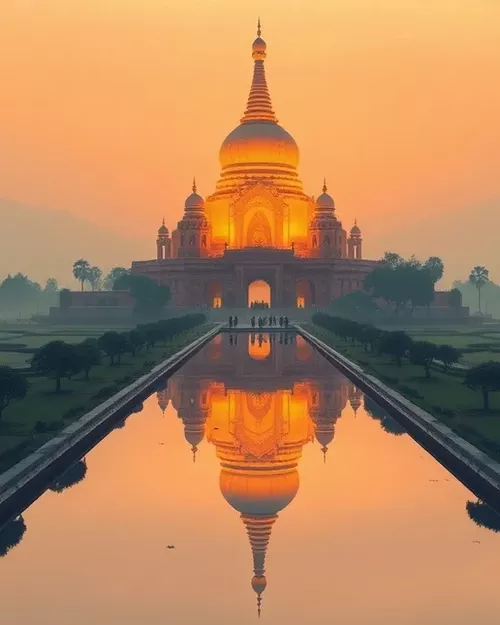
Cycle Adventures: Explore surrounding countryside by bike 🚴
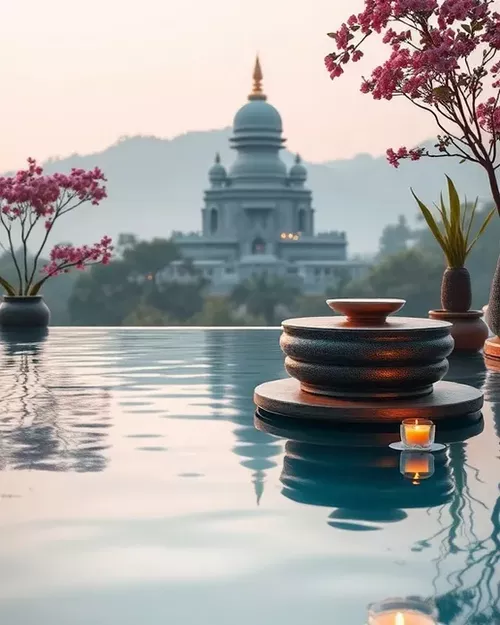
Rejuvenating Spa Treatments: Indulge in traditional holistic therapies 💆
Places To Visit

Mayadevi Temple
TEMPLEBirthplace of Buddha

World Peace Pagoda
PAGODASymbol of peace and harmony

Lumbini Crane Sanctuary
SANCTUARYHome to endangered cranes

Ashoka Pillar
HISTORICALAncient inscription by Emperor Ashoka

Myanmar Golden Temple
TEMPLEBeautiful Burmese architecture

Lumbini Museum
MUSEUMExhibits on Buddhist history

China Temple
TEMPLEGift from the People's Republic of China

Lumbini Monastic Zone
HISTORICALSacred monastic area

Lumbini Bodhi Tree
TREESacred fig tree

Lumbini Crystal Temple
TEMPLEIntricate crystal architecture

Lumbini Japanese Temple
TEMPLEJapanese architectural design

Lumbini Sri Lankan Monastery
MONASTERYTraditional Sri Lankan design

Lumbini Thai Monastery
MONASTERYThai Buddhist architecture

Lumbini Korean Monastery
MONASTERYKorean Buddhist influence

Lumbini Vietnamese Monastery
MONASTERYVietnamese Buddhist culture

Lumbini German Monastery
MONASTERYGerman architectural style

Lumbini French Monastery
MONASTERYFrench Buddhist influence
Places To Eat

Trisara

Windy Hill Hotel and Restaurant

French Creperie

All In 1 Family Restaurant

New Aagan Restaurant

The Darbar Lawn Party Palace & Restaurant (द दरबार लन पार्टी प्यालेस एन्ड रेस्टुरेन्ट)

Lumbini Lokpriya Tndoori Bhojanalaya

Black Bean Cafe & Fast Food

DREAMLAND HOTEL LODGE AND RESTAURANT

The Lavish Lounge and Bar

New Nepali Chulo

Chalise Brothers Hotel And lodge

Hangout Village

Hotel Red Martin

Daddy's Kitchen

Asian Foodland (Asian Party palace)

Red Chilli Restaurant & Lodge

Riddhi Siddhi Restaurant

P.N.S Cold & Restaurant

Hotel Babari Restaurant & Banquet
How to Reach
Places to Stay