


Mexico City is popular for
Mexico City in next 3 month 3/26°C3/28°C4/30°C8/31°C
 8/30°C11/35°C
 10/26°C10/25°C9/28°C8/27°C5/29°C8/24°CSeptember in Mexico City sees the end of the rainy season with cooler temperatures and good air quality.
Weather in Mexico City
jan
3/26°CAQI 55
feb
3/28°CAQI 49
mar
4/30°CAQI 50
apr
8/31°CAQI 47
may
8/30°CAQI 37
jun
11/35°CAQI 41
jul
10/26°CAQI 33
aug
10/25°CAQI 30
sep
9/28°CAQI 33
oct
8/27°CAQI 41
nov
5/29°CAQI 46
dec
8/24°CAQI 50
Usual trip duration
3-4 days
A 3-4 day trip to Mexico City allows you to explore the historic city center, visit the impressive museums, and indulge in the delicious street food. You can also take a day trip to the nearby Teotihuacan pyramids for a dose of ancient history.💰
Affordable to moderate expensesThings To Do
Ideas To Plan Your Trip
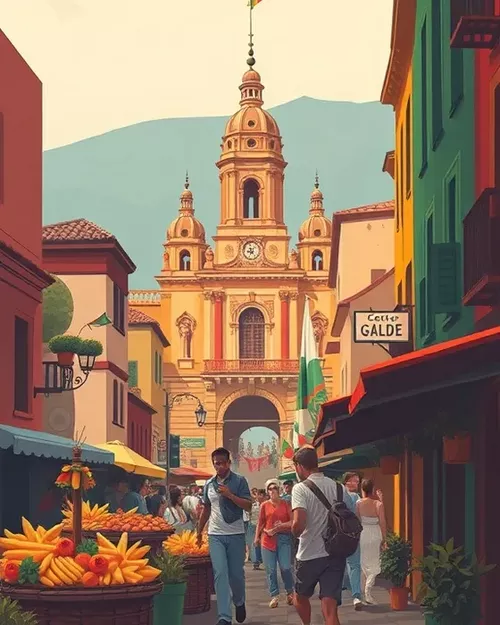
Embark on a food tour through local markets.
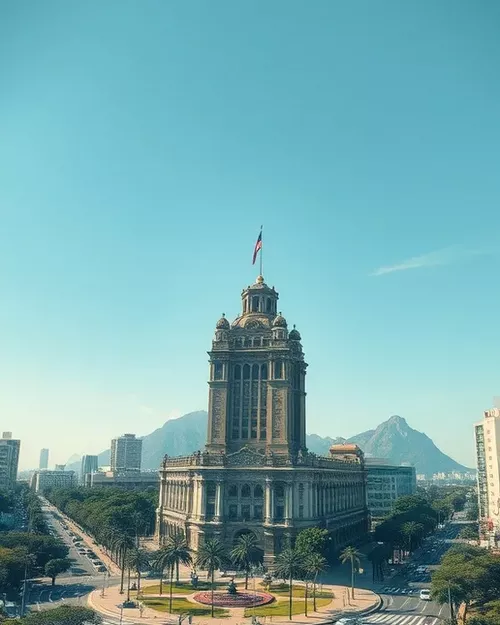
Join workshops with local artists and artisans.
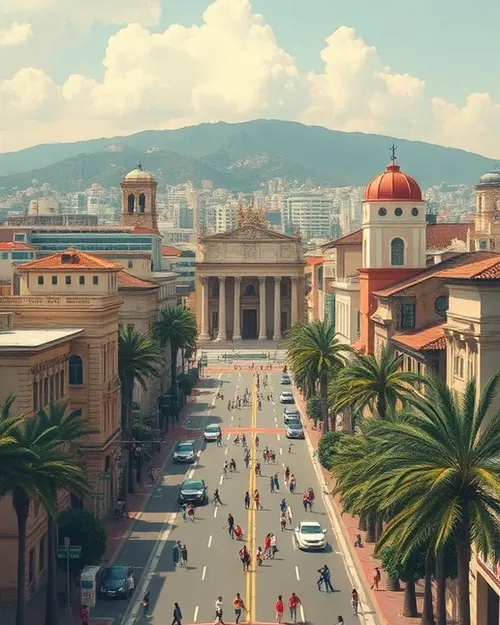
Explore the fascinating history of the city.
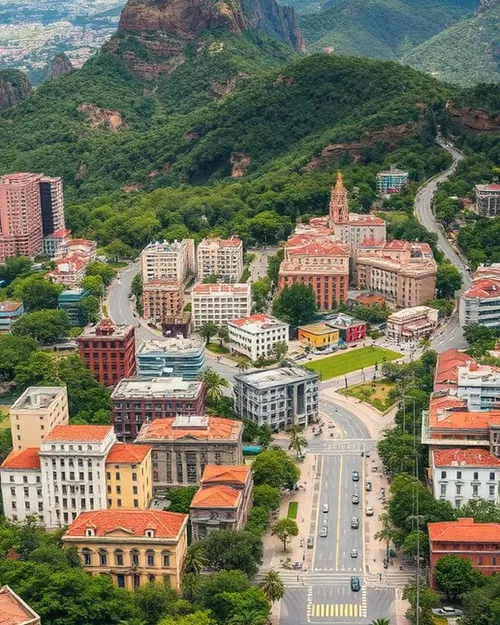
Enjoy peaceful walks and picnics in green spaces.
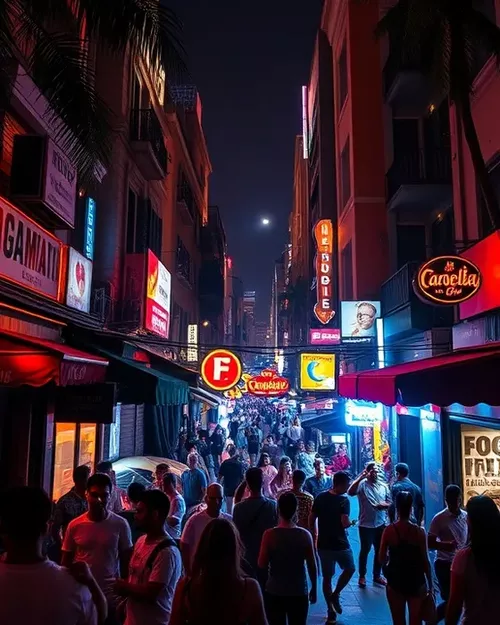
Dance the night away at local hotspots.
Places To Visit

Teotihuacan Pyramids
HISTORICAL SITEAncient Mesoamerican city

Museo Nacional de Antropologia
MUSEUMWorld-class anthropology museum

Chapultepec Park
PARKLargest city park in Latin America

Palacio de Bellas Artes
CULTURAL SITEIconic performing arts venue

Templo Mayor
ARCHAEOLOGICAL SITEAztec temple ruins

Mexico City Metropolitan Cathedral
RELIGIOUS SITEHistoric Catholic cathedral

Museo Frida Kahlo
MUSEUMFormer home of Frida Kahlo

Casa Azul
MUSEUMFrida Kahlo's Blue House

Museo Soumaya
ART MUSEUMImpressive art collection

Parque Nacional Desierto de los Leones
NATIONAL PARKMountainous natural reserve

Mexico City Torre Mayor
SKYSCRAPERTallest building in Mexico

Museo de Arte Moderno
ART MUSEUMModern and contemporary art

Mexico City Arena
ENTERTAINMENT VENUELarge indoor arena

Mexico City Torres de Satelite
SCULPTUREAbstract public art

Mexico City Basilica of Our Lady of Guadalupe
RELIGIOUS SITEImportant Catholic pilgrimage site

Mexico City Papalote Museo del Nino
CHILDREN'S MUSEUMInteractive museum for kids

Mexico City Mercado de San Juan
MARKETGourmet food market
Places To Eat

Ling Ling by Hakkasan

Maza Bistrot

Mochomos

Taquería El Gran Abanico

Casa Prime Hilton Centro Histórico

Cuerno Masaryk

Parole

El Cardenal Alameda

BAJEL

El Cardenal

Cuina

Centro Castellano

The Capital Grille

Les Moustaches

The Backyard

Casa Prime Masaryk

Los Callejeros

Mog Bistro

Au Pied de Cochon

Café De Tacuba
How to Reach
Places to Stay