


Panama City is popular for
Panama City in next 3 month 22/32°C23/33°C22/33°C23/35°C
 24/35°C24/32°C23/34°C24/34°C23/32°C23/31°C23/31°C25/31°CJuly in Panama City remains hot and humid with frequent rain showers and moderate air quality.
Weather in Panama City
jan
22/32°CAQI 11
feb
23/33°CAQI 9
mar
22/33°CAQI 14
apr
23/35°CAQI 21
may
24/35°CAQI 15
jun
24/32°CAQI 9
jul
23/34°CAQI 6
aug
24/34°CAQI 14
sep
23/32°CAQI 9
oct
23/31°CAQI 15
nov
23/31°CAQI 11
dec
25/31°CAQI 8
Usual trip duration
3-4 days
A 3-4 day trip to Panama City allows you to explore the historic Casco Viejo, visit the Panama Canal, and relax on the beautiful beaches. You can also enjoy the vibrant nightlife and sample delicious local cuisine.💰
Moderate to expensiveThings To Do
Ideas To Plan Your Trip
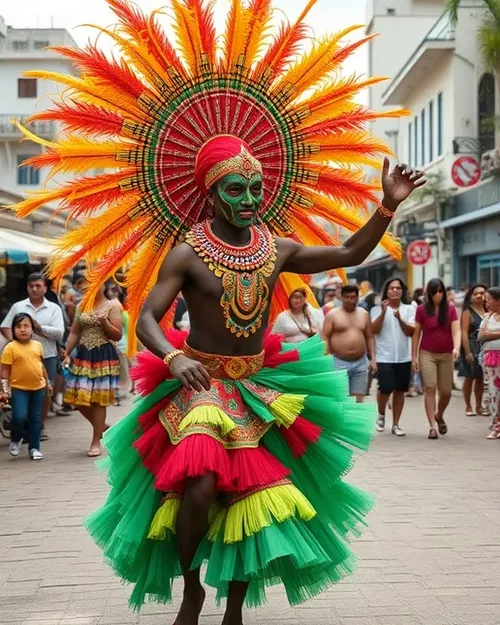
Experience the rich cultural heritage of Panama City.
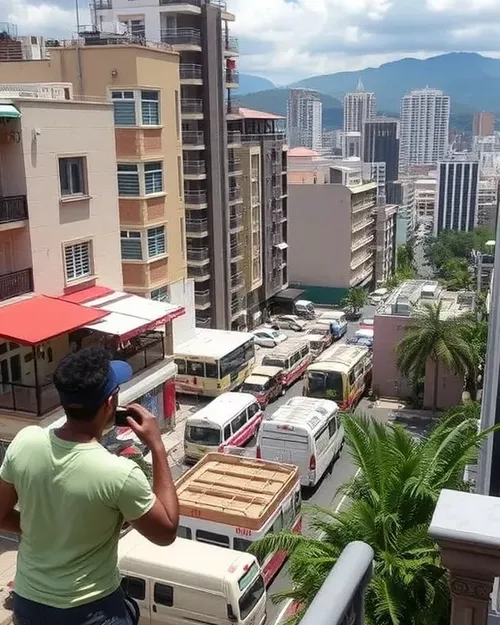
Embark on a culinary journey through local markets.
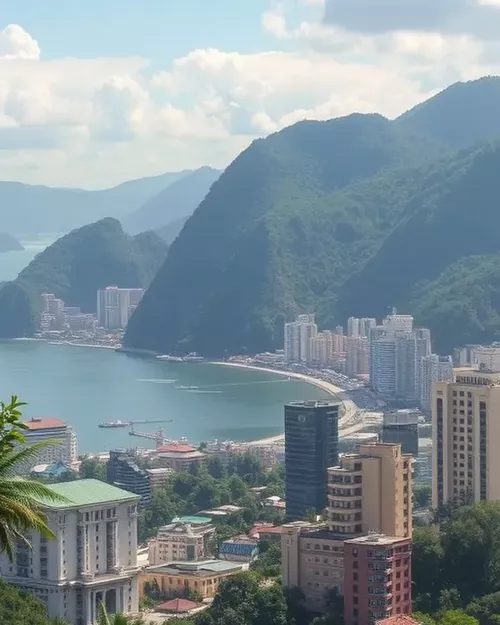
Reconnect with nature through guided eco-tours.
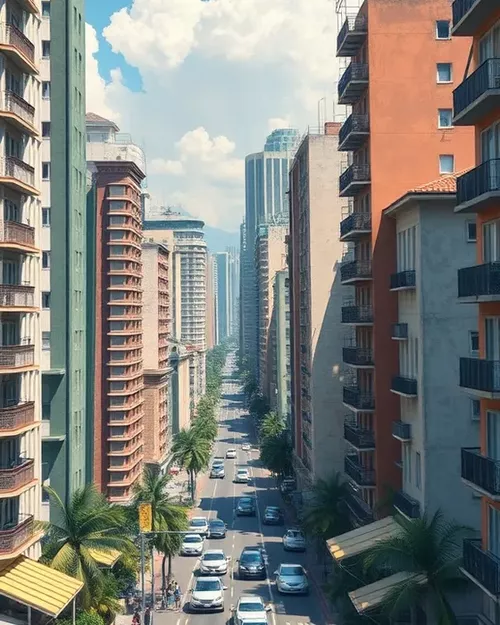
Engage with Panama City's vibrant art community.
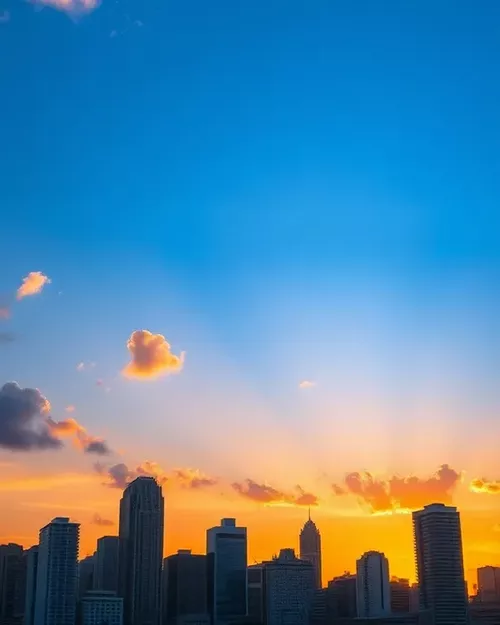
Enjoy tranquil moments as the sun sets over the city.
Places To Visit

Amador Causeway
SCENIC WATERFRONTBeautiful views of the city

Metropolitan Natural Park
WILDLIFERich biodiversity in the city

National Craft Market
SHOPPINGLocal handmade crafts and souvenirs

Museum of Contemporary Art
ARTModern and thought-provoking exhibits

Old Panama Ruins
ARCHAEOLOGICAL SITERemnants of the original city

Smithsonian Tropical Research Institute
RESEARCH CENTERLeading scientific studies in the tropics

Soberania National Park
ECO-TOURISMDiverse flora and fauna

Parque Omar
URBAN PARKRelaxing green space in the city

National Theater
PERFORMING ARTSCultural performances and events

Multiplaza Pacific Mall
LUXURY SHOPPINGHigh-end retail and dining

Presidential Palace
GOVERNMENT BUILDINGHistoric seat of power

National Cathedral
RELIGIOUS SITEArchitectural masterpiece

Museum of History
CULTURAL HERITAGEInsight into Panama's past

Fish Market
LOCAL CUISINEFresh seafood and local flavors

Flamenco Island
ISLAND RETREATRelaxing beach getaway
Places To Eat

Pineapple Willy's

Schooners

Dat Cajun Place Cafe

FINNS Island Style Grub in St. Andrew’s

El Weirdo

Hunt's Oyster Bar and Seafood

Restaurante Makoto

Sabroso Panamá

The Wicked Wheel

Copper Tap Grille

La Vespa Vista Mare

The Grand Marlin

Uncle Ernie's

Bayou Joes Marina & Grill

Alice's on Bayview

Saltwater Grill

Firefly

Señor Frog's | Panama City Beach

Maito Restaurante

Sharky's Beachfront Restaurant
How to Reach
Places to Stay