


Paro is popular for
Paro in next 3 month 1/19°C
 0/19°C3/19°C
 6/21°C9/25°C10/26°C15/26°C14/26°C
 11/26°C5/23°C3/20°C5/17°COctober in Paro is cool with clear skies and good air quality, making it a pleasant time to visit.
Weather in Paro
jan
1/19°CAQI 41
feb
0/19°CAQI 44
mar
3/19°CAQI 87
apr
6/21°CAQI 94
may
9/25°CAQI 51
jun
10/26°CAQI 44
jul
15/26°CAQI 24
aug
14/26°CAQI 24
sep
11/26°CAQI 20
oct
5/23°CAQI 14
nov
3/20°CAQI 44
dec
5/17°CAQI 45
Usual trip duration
3-4 days
A 3-4 day trip to Paro allows you to explore the iconic Tiger's Nest monastery, visit the National Museum of Bhutan, and take leisurely walks through the picturesque Paro Valley. You can also experience the local culture and cuisine in this timeframe.💰
Moderate to expensiveThings To Do
Ideas To Plan Your Trip
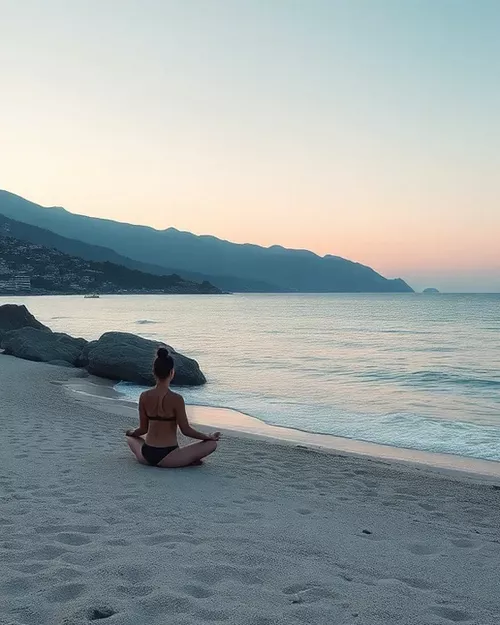
Beachfront Meditation Retreat
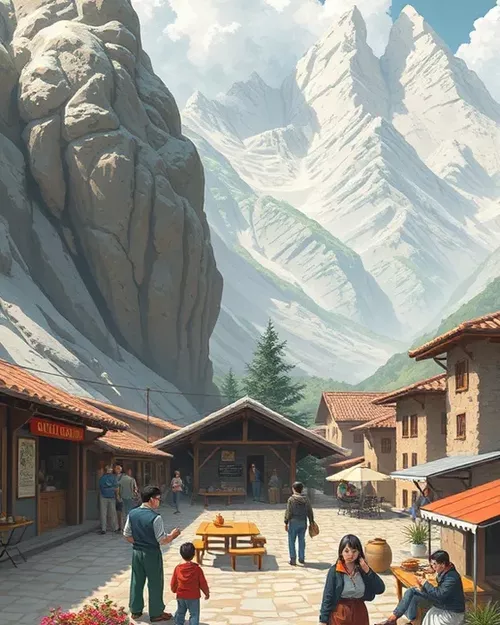
Culinary Adventure Tour
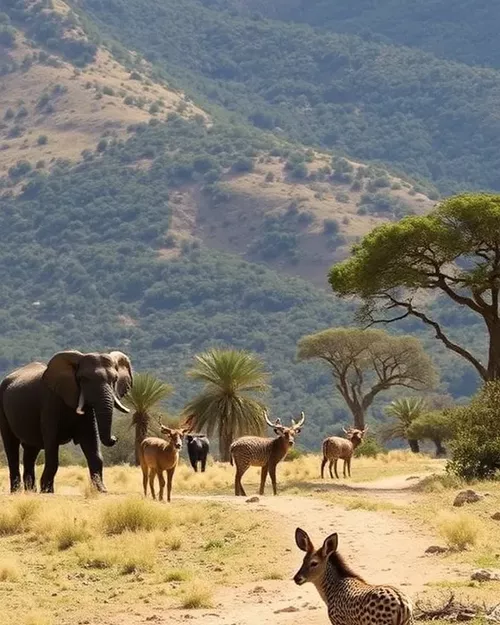
Wildlife Safari Experience

Water Sports Extravaganza

Heritage Village Exploration
Places To Visit
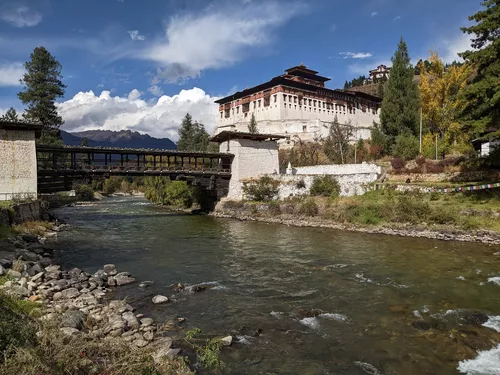
Rinpung Dzong
FORTRESSHistoric fortress and monastery
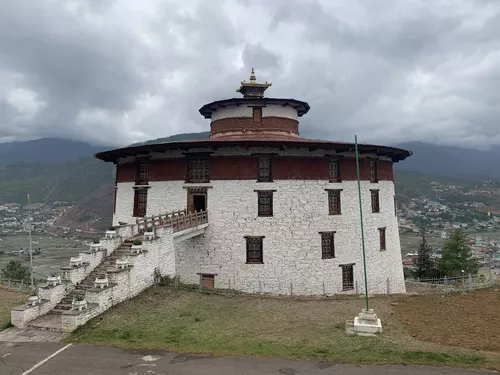
National Museum of Bhutan
MUSEUMShowcases Bhutanese art and history
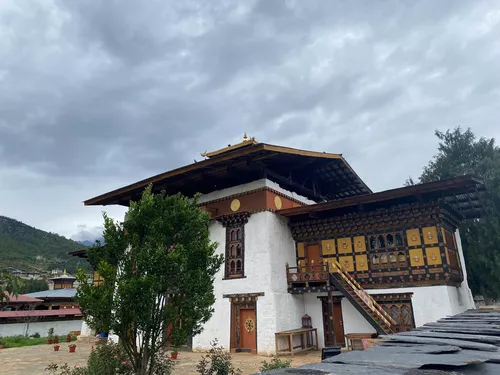
Druk Choeding
TEMPLEAncient temple with intricate carvings
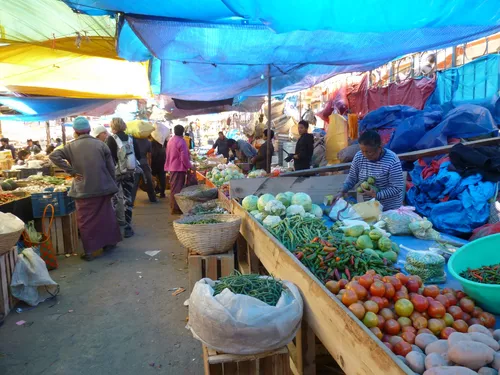
Paro Weekend Market
MARKETColorful local market experience
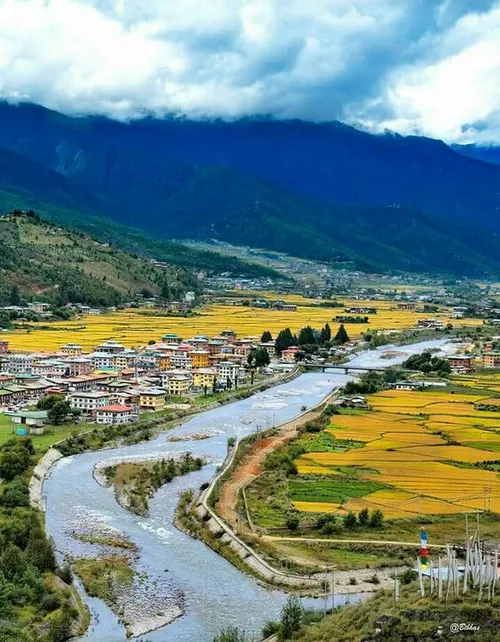
Paro Valley
SCENICPicturesque Himalayan valley
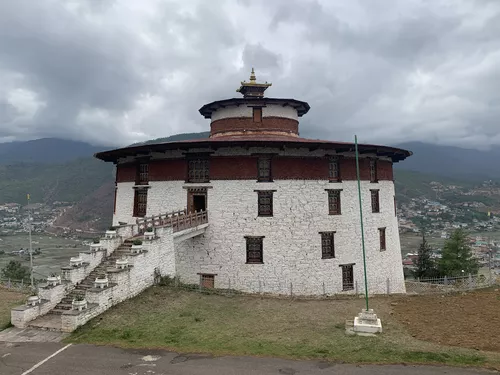
Ta Dzong
MUSEUMFormer watchtower, now a museum
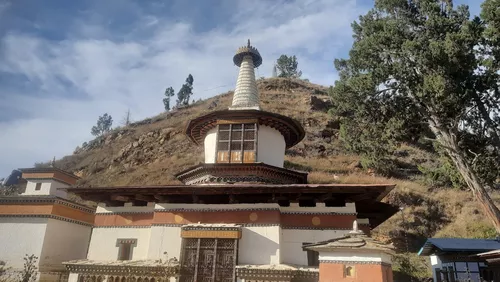
Dungtse Lhakhang
TEMPLEUnique chorten-shaped temple
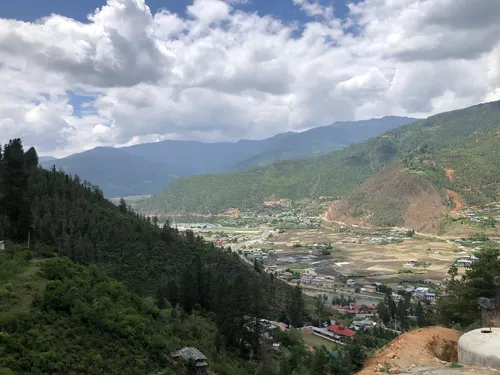
Zuri Dzong Fortress
FORTRESSHistoric fortress with panoramic views
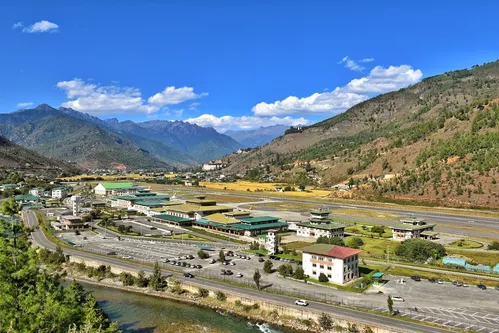
Paro Airport Viewpoint
SCENICSpectacular views of airport and valley
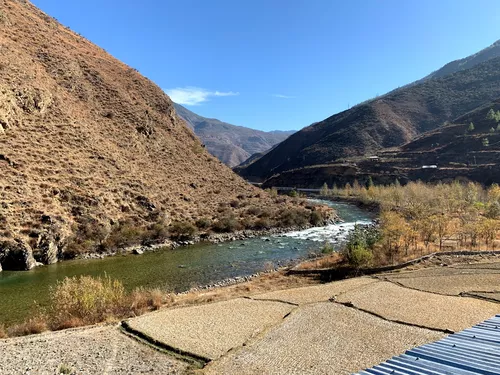
Paro River
SCENICTranquil river for leisurely walks
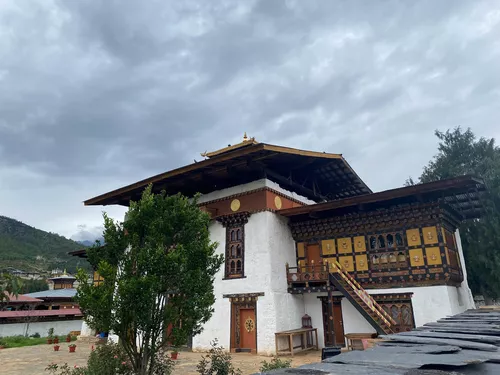
Druk Choeding Temple
TEMPLEPeaceful and ornate temple
Paro Archery Ground
SPORTSTraditional Bhutanese archery matches
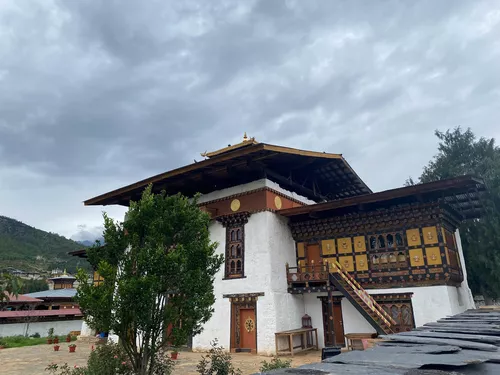
Druk Choeding Monastery
MONASTERYSerene and historic monastery
Places To Eat

Leezang Hotpot

HIMALAYAN KITCHEN PARO MAIN TOWN

Rosemary Restaurant

Tshering Farmhouse

Olive Kitchen and Bar

Mountain Cafe - Pure Veg

Mountain Cafe - Non Veg

Momo Corner

Tashi De Den Cafe
How to Reach
Places to Stay