Sambalpur in next 3 month
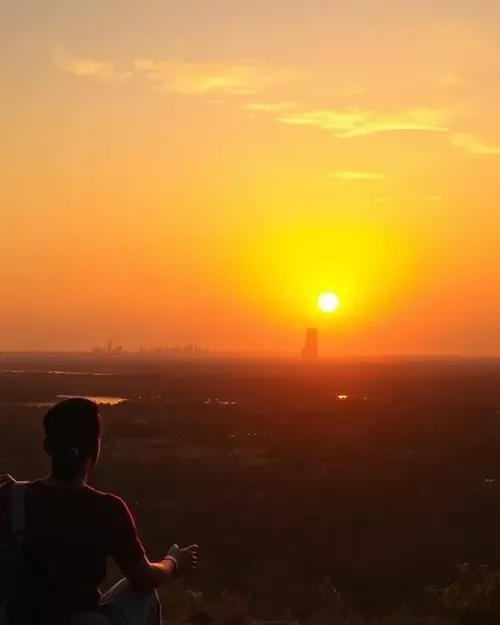
December in Sambalpur is cool with misty weather and moderate air quality, making it a pleasant time to visit.
Usual trip duration
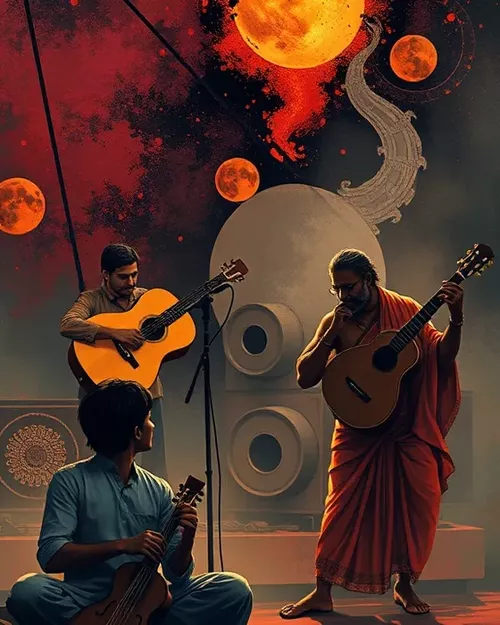
A 2-3 day trip to Sambalpur allows you to explore the famous Hirakud Dam, visit the Samaleswari Temple, and experience the local culture and cuisine. It's a perfect short getaway to immerse yourself in the beauty of this region.
Affordable destination with low cost of living
The best time to visit Sambalpur is during the winter months, from October to March. The weather is pleasant and comfortable, with temperatures ranging from 15°C to 30°C, making it ideal for sightseeing and outdoor activities. Summers (April to June) are extremely hot and humid, with temperatures often exceeding 45°C, which can make exploring the city uncomfortable. The monsoon season (July to September) brings heavy rainfall, which can disrupt travel plans. Therefore, planning your trip between October and March ensures a more enjoyable experience in Sambalpur, allowing you to fully appreciate its attractions and natural beauty without the harshness of the extreme weather conditions. This period is perfect for visiting the Hirakud Dam, exploring the temples, and enjoying the local culture.
Sambalpur is a city rich in culture and natural beauty. Here's a list of must-visit attractions:
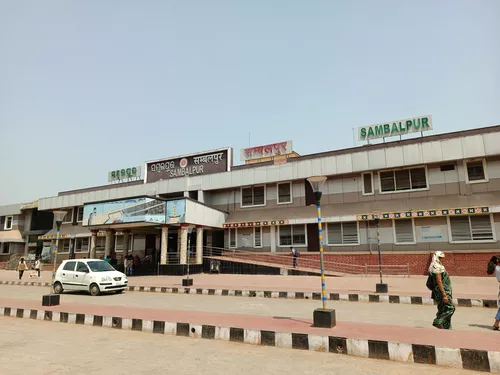
Sambalpur is well-connected to other parts of India by air, rail, and road. Here’s how you can reach Sambalpur:
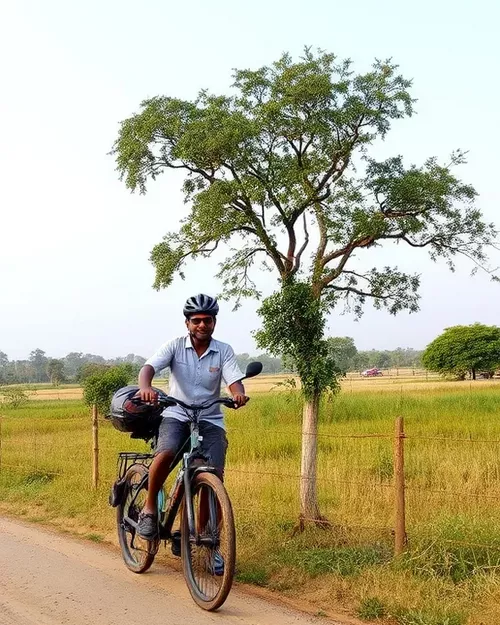
Sambalpur offers a variety of activities for tourists to enjoy. Here are some popular options:
These activities provide a diverse range of experiences, from exploring natural wonders and religious sites to engaging with the local culture and enjoying outdoor adventures.
Sambalpur serves as a great base for exploring nearby attractions. Here are some popular destinations:
These destinations offer a mix of industrial, cultural, and natural attractions, making for diverse and enriching travel experiences near Sambalpur.
Sambalpur is famous for its handloom textiles, particularly the Sambalpuri sarees. Here are some popular shopping spots:
Shopping in Sambalpur offers the chance to acquire unique local products and support the region's traditional craftsmanship.
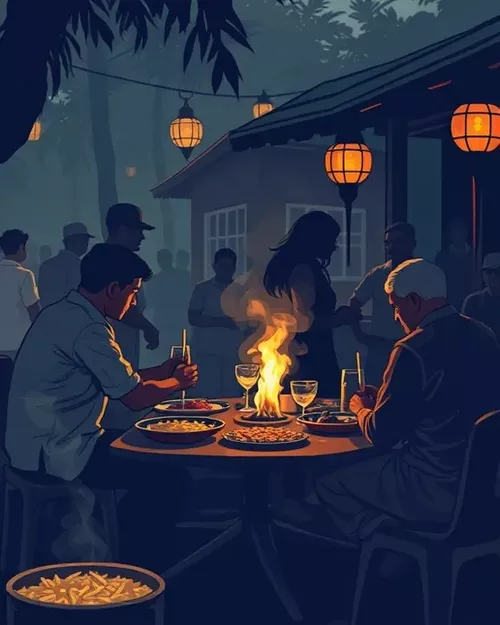
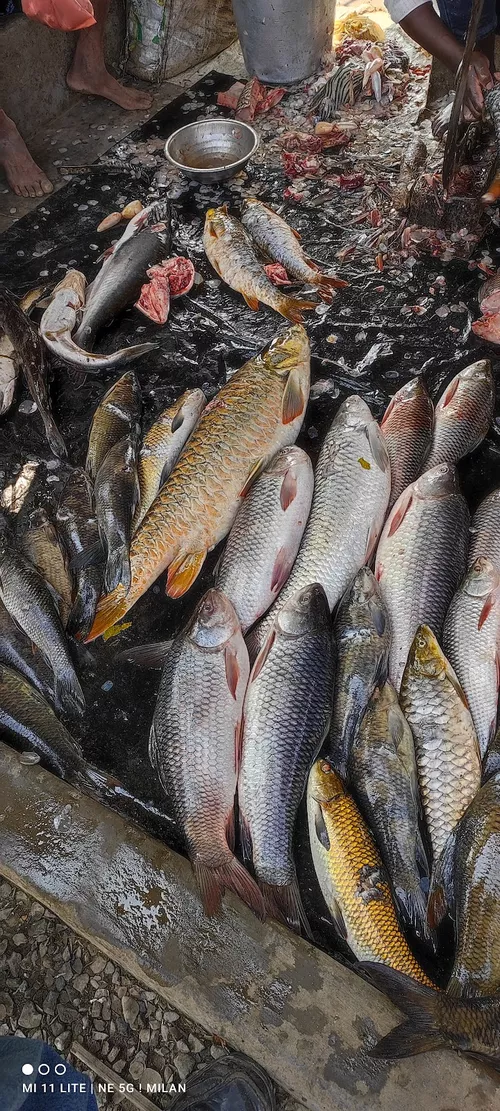
Sambalpur offers a variety of dining options, from local cuisine to multi-cuisine restaurants. Here are some recommendations:
Exploring the local food scene is a must for any visitor to Sambalpur, offering a taste of the region's culinary heritage.
Sambalpur offers a range of accommodation options to suit different budgets and preferences. You can find hotels, guesthouses, and lodges in the city. Here are some options:
It's advisable to book your accommodation in advance, especially during peak tourist season, to ensure availability and get the best rates.
The primary local language spoken in Sambalpur is Sambalpuri, also known as Kosali. It is a dialect of Odia and is widely used for communication among the local population. However, Odia (the official language of Odisha) and Hindi are also commonly understood and spoken in Sambalpur, especially in urban areas and among those who have received formal education. English is also used, particularly in the tourism and hospitality sectors. Therefore, visitors can comfortably communicate using Hindi or English, although learning a few basic phrases in Sambalpuri or Odia can enhance their interaction with the locals and be greatly appreciated.
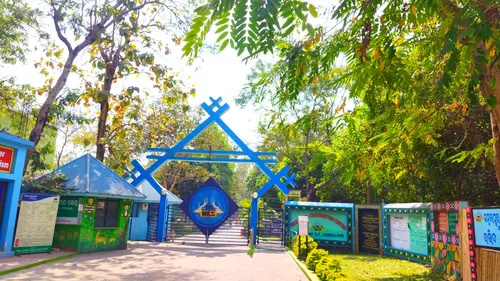
Yes, special permits are generally required to visit Debrigarh Wildlife Sanctuary. The sanctuary is a protected area, and entry is regulated to ensure the conservation of its flora and fauna. To visit Debrigarh, it is necessary to obtain permission from the forest department authorities. These permits can typically be obtained at the entry point of the sanctuary or from the forest department office in Sambalpur. It's advisable to check the latest regulations and permit requirements before planning your visit. Often, these permits are issued on a per-vehicle or per-person basis and may have restrictions on the areas within the sanctuary that can be accessed. Additionally, hiring a local guide is often mandatory to ensure visitors adhere to the rules and to provide information about the sanctuary's ecology and wildlife. Booking in advance, especially during peak season, is highly recommended to secure your permit and guide.
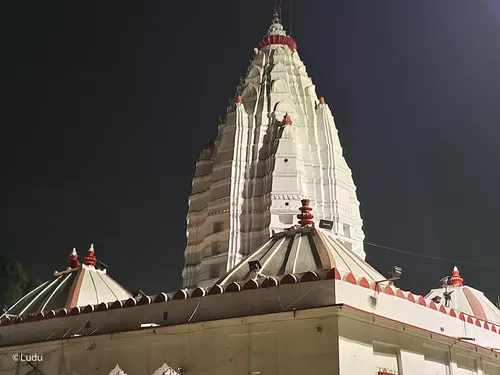
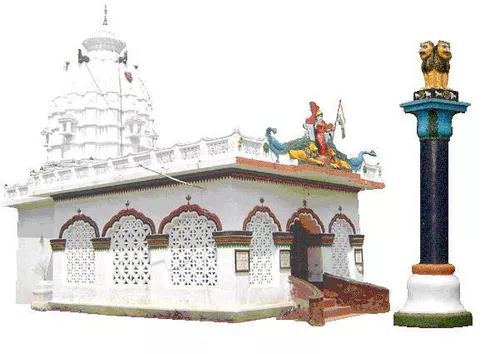
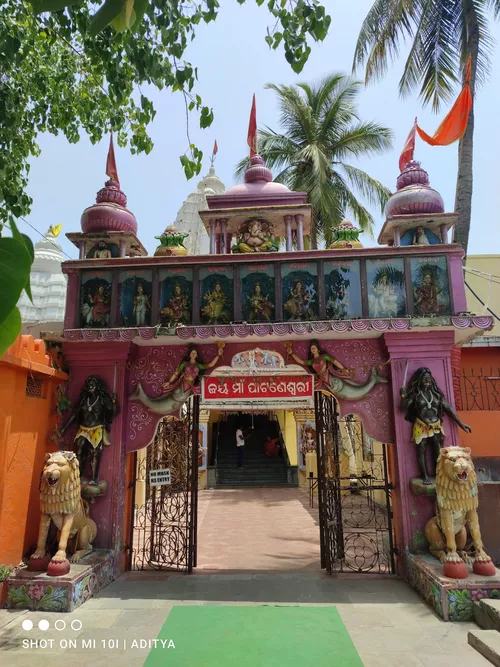
The Maa Samaleswari Temple in Sambalpur generally opens early in the morning and remains open until late evening, but the exact timings can vary slightly depending on the day and season. Typically, the temple opens around 5:00 AM to 6:00 AM for morning rituals and closes around 9:00 PM to 10:00 PM after the evening aarti. There may be short closures during the afternoon for rest and cleaning. It’s advisable to check the specific timings with local sources or the temple authorities before planning your visit, especially if you intend to participate in any specific rituals or aartis. The temple is particularly crowded during festivals and special occasions, so plan accordingly. Being aware of the temple's timings will help you have a smooth and fulfilling visit to this significant religious site in Sambalpur.
Sambalpur is generally considered a safe place to travel. The city has a relatively low crime rate, and tourists usually do not encounter significant safety issues. However, like any travel destination, it's always wise to take certain precautions to ensure a safe and enjoyable trip. Be mindful of your belongings, especially in crowded areas such as markets and bus stands. Avoid displaying expensive jewelry or carrying large amounts of cash. It's also advisable to avoid traveling alone late at night in isolated areas. Respect local customs and traditions to avoid any misunderstandings. If you are a solo female traveler, take extra precautions and consider staying in reputable hotels or guesthouses. In case of any emergency, contact the local police or tourist information center for assistance. Overall, by taking these standard safety measures, you can have a pleasant and secure experience in Sambalpur.