Sanchi in next 3 month
December in Sanchi is cool and misty with moderate air quality, making it a pleasant time to visit.
Usual trip duration
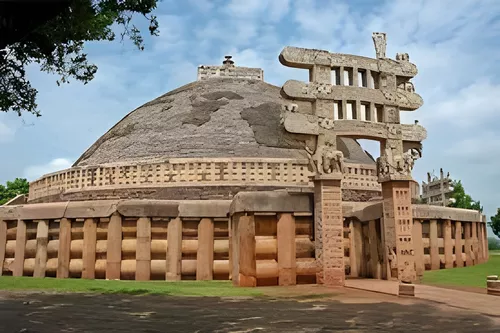
A short trip to Sanchi can include a visit to the famous Sanchi Stupa, exploring the ancient Buddhist monuments, and experiencing the peaceful ambiance of the town.
Affordable for budget travelers
The best time to visit Sanchi is during the winter months, from October to March. The weather is pleasant and cool, making it ideal for exploring the historical sites. The temperature during this period ranges from 10°C to 25°C, offering comfortable conditions for sightseeing. Avoid visiting during the summer months (April to June) as the heat can be intense and uncomfortable. The monsoon season (July to September) brings heavy rainfall, which may hinder outdoor activities. However, the landscape becomes lush and green during the monsoon, providing a different perspective of the region. Visiting Sanchi during the winter allows for a more relaxed and enjoyable experience, ensuring you can fully appreciate the architectural marvels and historical significance of the stupas and other monuments.
Reaching Sanchi is relatively straightforward, with multiple transportation options available. Here's a detailed breakdown:
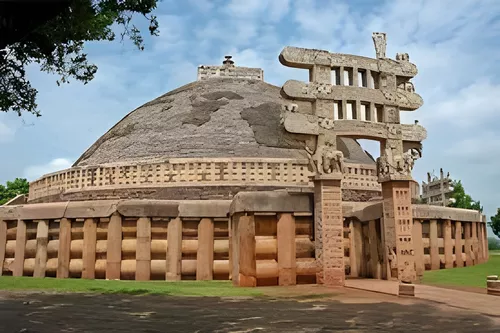
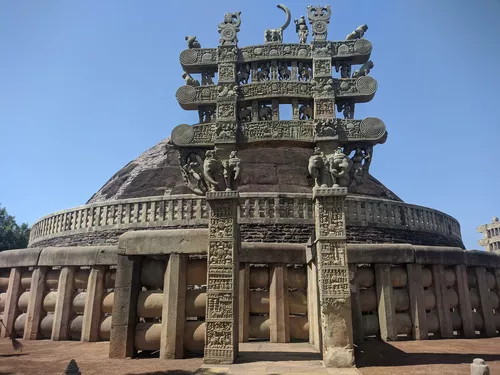
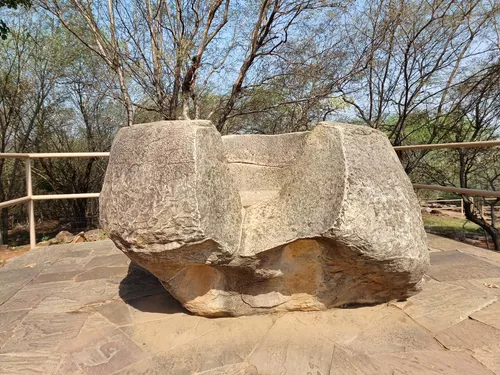
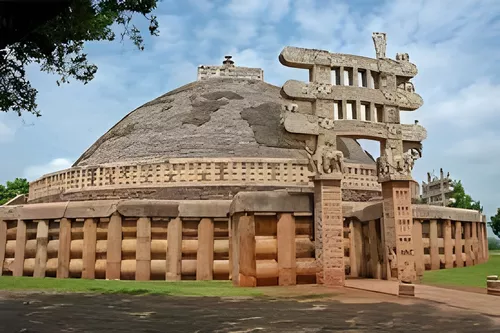
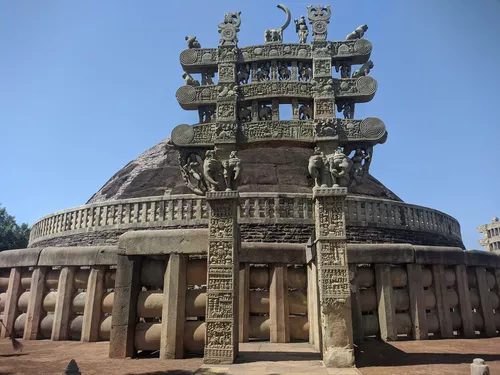
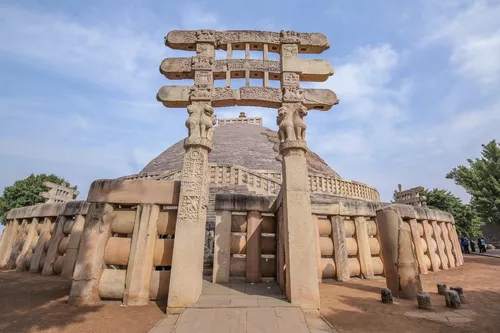
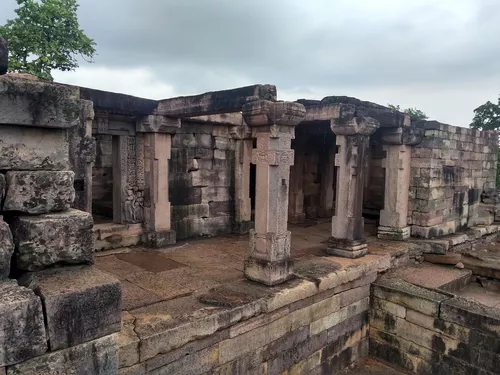
Sanchi is renowned for its ancient Buddhist monuments, primarily the stupas. Here’s a list of the must-visit attractions:
Exploring these sites offers a fascinating glimpse into the rich Buddhist heritage of India.
While Sanchi is primarily known for its historical sites, there are several activities that tourists can enjoy:
These activities ensure a well-rounded and enriching experience in Sanchi.
Yes, several destinations near Sanchi offer unique experiences and are worth exploring. Here are a few:
These nearby destinations offer a blend of history, culture, and natural beauty, enriching your travel experience in Madhya Pradesh.
Sanchi is a small town primarily known for its historical significance, so the shopping options are limited. However, you can find a few places to buy souvenirs and local handicrafts:
While Sanchi itself may not be a shopper's paradise, the nearby towns offer opportunities to pick up unique souvenirs and local products.
Sanchi offers limited dining options, but you can still find a few decent places to eat. Most restaurants offer simple, local cuisine. Here are some options:
While in Sanchi, be prepared for basic dining options, focusing on local flavors and simple preparations.
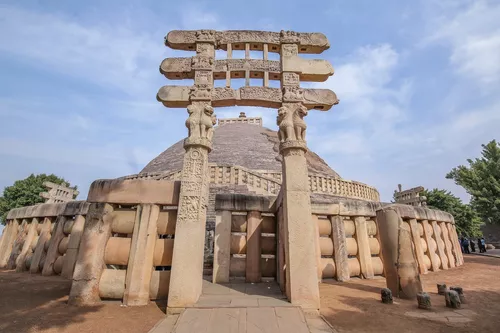
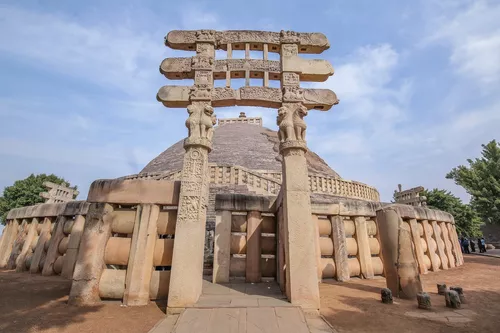
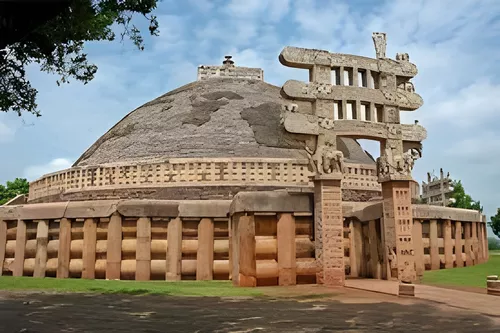
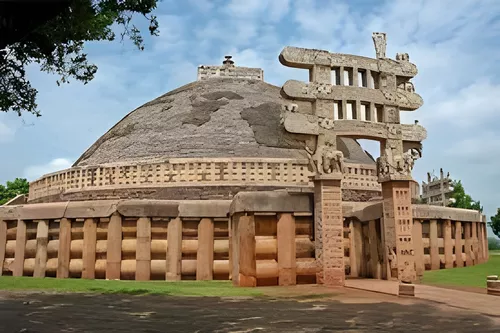
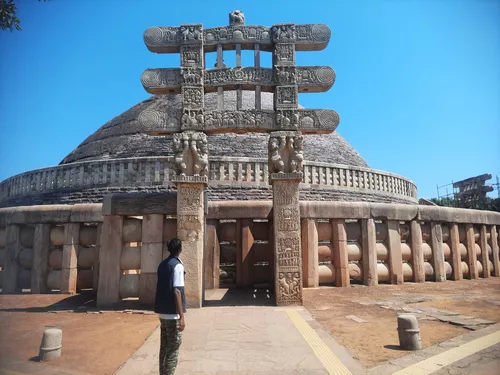
Sanchi holds immense historical significance due to its well-preserved Buddhist monuments dating back to the Mauryan period. Emperor Ashoka, a convert to Buddhism, commissioned the Great Stupa in the 3rd century BCE, marking the beginning of Sanchi's prominence as a Buddhist center. The stupas served as repositories for relics and symbols of the Buddha, attracting pilgrims and monks for centuries. The site flourished under subsequent dynasties like the Shungas and Satavahanas, who added intricate carvings and gateways (toranas) to the stupas. These carvings depict scenes from the Buddha's life, Jataka tales, and everyday life, providing valuable insights into ancient Indian society and art. Sanchi's decline began in the 13th century, leading to its abandonment and eventual rediscovery in the 19th century. Today, Sanchi is a UNESCO World Heritage Site, recognized for its outstanding universal value as one of the oldest and most important Buddhist sanctuaries in India, offering a glimpse into the evolution of Buddhist art and architecture.
Yes, there are accommodation options available in Sanchi, although they are relatively limited compared to larger cities. Here's what you can expect:
It's recommended to book your accommodation in advance, especially during peak tourist season, to ensure availability.
When visiting Sanchi, it's important to dress respectfully, keeping in mind the cultural and historical significance of the site. Here are some recommendations:
By following these guidelines, you can ensure that you dress appropriately and respectfully while visiting Sanchi.
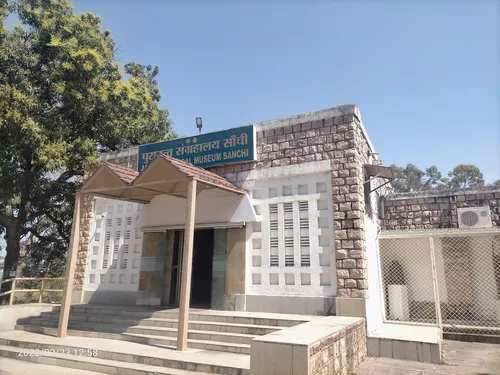
Yes, there are entry fees to visit the Sanchi Stupas and the Sanchi Archaeological Museum. As of the latest information, the entry fees are as follows:
These fees are subject to change, so it's always a good idea to check the latest rates at the ticket counter. The entry ticket usually covers access to the Sanchi Stupas and the surrounding area. The Sanchi Archaeological Museum may have a separate entry fee, so it's best to inquire at the museum entrance. There are no specific permits required to visit Sanchi other than the entry tickets. You can purchase the tickets at the ticket counter near the entrance of the Sanchi Stupas. It is advisable to keep the ticket safe as it may be checked at various points within the complex.
The amount of time you should spend at Sanchi depends on your level of interest in history and archaeology. However, a general guideline is:
Ultimately, the amount of time you spend at Sanchi depends on your personal preferences and interests. However, allocating at least 3-4 hours will ensure that you can see the main attractions and appreciate the historical significance of this UNESCO World Heritage Site.