


Sardinia is popular for
Usual trip duration
3-4 days
A 3-4 day trip to Sardinia allows you to explore the stunning beaches, visit historical sites such as the ancient ruins of Nora, and indulge in the local cuisine and wine. You can also take a boat trip to the Maddalena Archipelago for a day of island hopping and snorkeling.💰
Moderately expensiveThings To Do
Ideas To Plan Your Trip
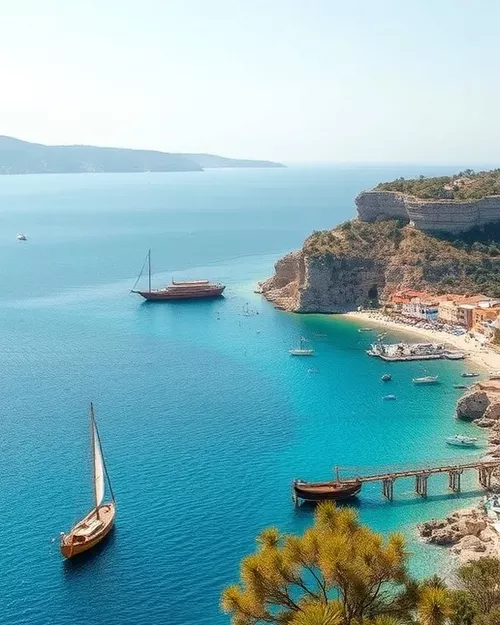
Island Hopping: Explore secluded beaches ðŸï¸
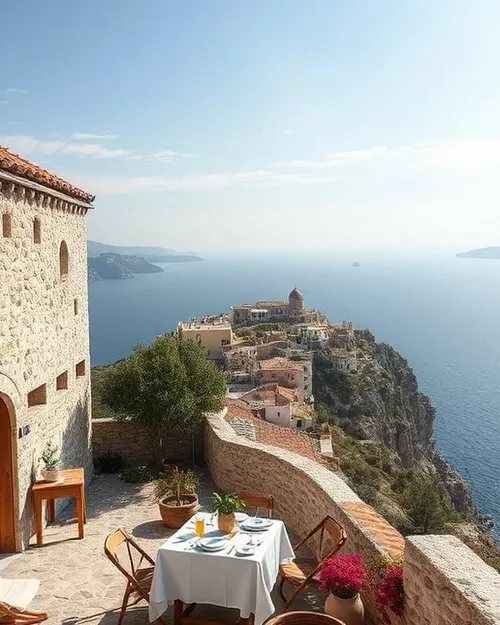
Culinary Tour: Indulge in local delicacies ðŸ

Hiking Adventure: Discover scenic trails 🥾

Watersports Extravaganza: Dive into adrenaline-filled fun ðŸ„
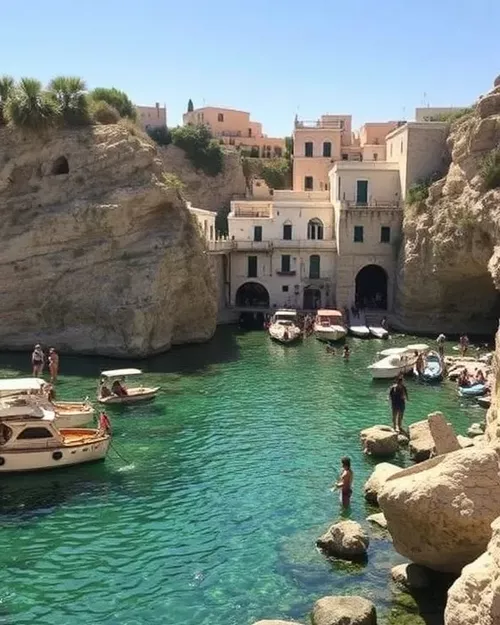
Cultural Immersion: Immerse in traditional heritage ðŸŽ
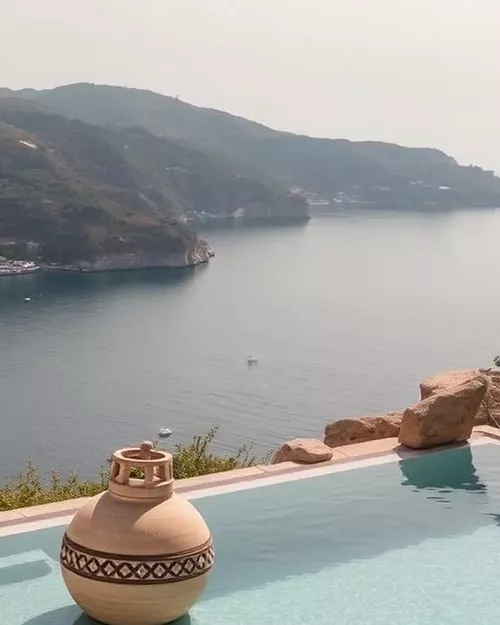
Wellness Retreat: Relax in tranquil spas 🧘

Sunset Sailing: Witness breathtaking coastal views ⛵
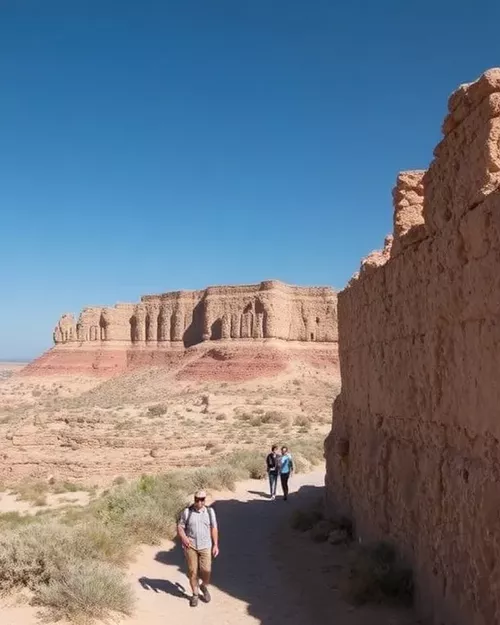
Photography Expedition: Capture picturesque landscapes 📷
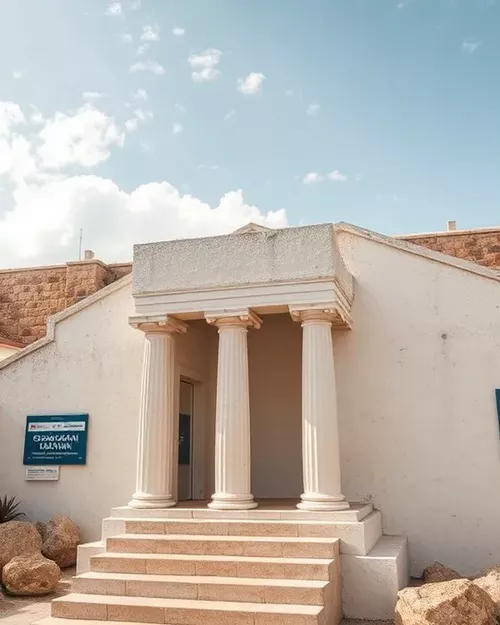
Museum Exploration: Uncover rich history and art ðŸ›ï¸

Local Market Shopping: Hunt for unique souvenirs ðŸ›ï¸
Places To Visit

Spiaggia della Pelosa
BEACHCrystal clear waters and white sand

Neptune's Grotto
CAVEStalactites and stalagmites formations

Costa Smeralda
COASTLINELuxury resorts and stunning beaches

Su Nuraxi
ARCHAEOLOGICAL SITEAncient Nuragic village ruins

Cagliari Cathedral
RELIGIOUS SITEImpressive medieval architecture

Tiscali Village
HISTORICAL SITEHidden ancient mountain village

Archipelago of La Maddalena
NATIONAL PARKCrystal clear waters and marine life

Nuraghe Su Mannau
HISTORICAL SITEWell-preserved Nuragic complex

Tharros
ARCHAEOLOGICAL SITEAncient Phoenician and Roman ruins

Museo Archeologico Nazionale
MUSEUMExhibits of Sardinia's ancient history

Capo Caccia
NATURAL LANDMARKDramatic cliffs and sea caves

Su Giudeu
BEACHTurquoise waters and golden sand

Torre dell'Elefante
HISTORICAL TOWERMedieval tower with city views

Isola Tavolara
ISLANDUnspoiled natural beauty and wildlife
Places To Eat

La Rusticana

Su Tapiu

Abbamele Osteria

Ristorante Pizzeria '' Su Lumarzu ''

Sa Domu Sarda

I Grani

Agriturismo "Su connottu"

Ros’e Mari

Ristorante da Andrea al Cavallera

Ristorante Farris (Casa Puddu)

Trattoria Pizzeria da Zia Luciana

Sa Domu Sarda Pula

Osteria La Forchetta

Old Friend Cagliari

Montiblu

Locanda Da Renzo

"Il Rifugio"

Ristorante Su Carduleu

Sandalyon Villasimius Restaurant

Ristorante Il Fuoco Sacro
How to Reach
Places to Stay