Senegal in next 3 month
April in Senegal brings slightly higher temperatures with dry weather and moderate air quality.
Usual trip duration
For a comprehensive trip to Senegal, a week-long visit allows you to explore the vibrant culture, visit historical sites, experience the bustling markets, and relax on the beautiful beaches along the coast.
Affordable travel with some higher cost options
The best time to visit Senegal is during the dry season, which runs from November to May. During these months, you can expect sunny skies, lower humidity, and comfortable temperatures, making it ideal for exploring the country's diverse landscapes and engaging in outdoor activities. The harmattan wind, a dry trade wind from the Sahara, can sometimes bring dust in January and February, but overall, these months offer the most pleasant travel conditions. Avoid the rainy season from June to October, when humidity is high, and some roads may become impassable.
Senegal is easily accessible by air, primarily through Blaise Diagne International Airport (DSS) located near Dakar. Several major airlines offer direct flights from Europe, North America, and other African countries. Land travel is possible from neighboring countries like The Gambia, Mauritania, Guinea, and Guinea-Bissau, but road conditions and border crossings can be challenging. Ferries also connect Dakar with Ziguinchor in the Casamance region, offering a scenic alternative to overland travel.
Senegal boasts a diverse range of attractions, from bustling cities to serene natural landscapes. Dakar, the capital, offers a vibrant mix of culture, history, and nightlife. Île de Gorée, a UNESCO World Heritage site, is a poignant reminder of the transatlantic slave trade. The Sine-Saloum Delta, another UNESCO site, is a stunning network of waterways, islands, and mangrove forests. The Niokolo-Koba National Park provides opportunities for wildlife spotting. Saint-Louis, the former capital, is known for its colonial architecture and jazz scene. Finally, the Casamance region offers lush landscapes and unique cultural experiences.
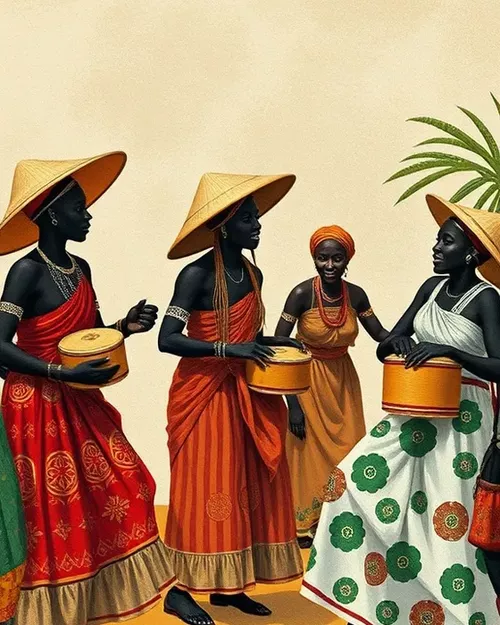
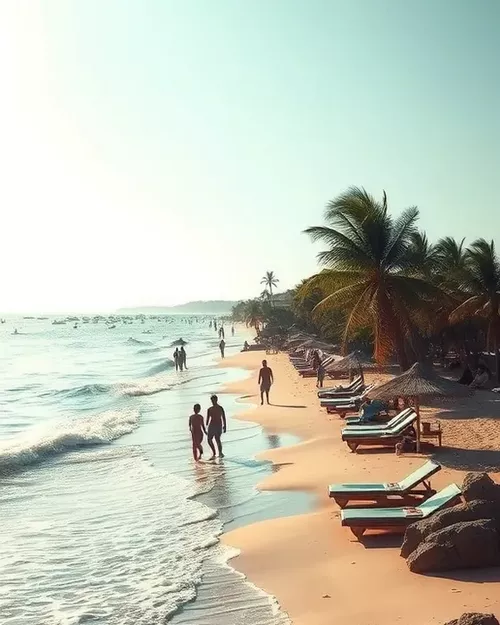
Senegal offers a wide range of activities for tourists. Explore the historic sites of Dakar and Île de Gorée. Relax on the beaches of Saly or Cap Skirring. Go birdwatching in the Djoudj National Bird Sanctuary or the Sine-Saloum Delta. Take a safari in Niokolo-Koba National Park. Experience the vibrant music scene in Saint-Louis or Dakar. Visit local markets to shop for handicrafts and souvenirs. Enjoy water sports like surfing, fishing, and sailing along the coast. Explore the pink waters of Lake Retba. Immerse yourself in the local culture by attending a traditional Sabar drumming and dance performance.
Senegal is well-positioned for exploring other West African countries. The Gambia, a narrow country almost entirely surrounded by Senegal, offers unique wildlife experiences and cultural insights. Guinea-Bissau, to the south, is known for its Bijagós Archipelago, a UNESCO Biosphere Reserve. Mauritania, to the north, offers a glimpse into the Sahara Desert. Each of these destinations provides a distinct cultural and natural experience that complements a trip to Senegal. Consider planning a multi-country itinerary to maximize your West African adventure. Due to varying levels of infrastructure, consider local travel advice before planning trips to Senegal's neighboring countries.
Senegal offers a variety of shopping experiences, from bustling markets to modern boutiques. Dakar's Sandaga Market is a must-visit for local fabrics, clothing, and handicrafts. For higher-end shopping, check out the shops in the Plateau district of Dakar. In Saint-Louis, browse the artisan workshops for unique souvenirs. Don't miss the opportunity to purchase traditional Senegalese textiles, wood carvings, and leather goods. Remember to bargain respectfully when shopping in local markets.
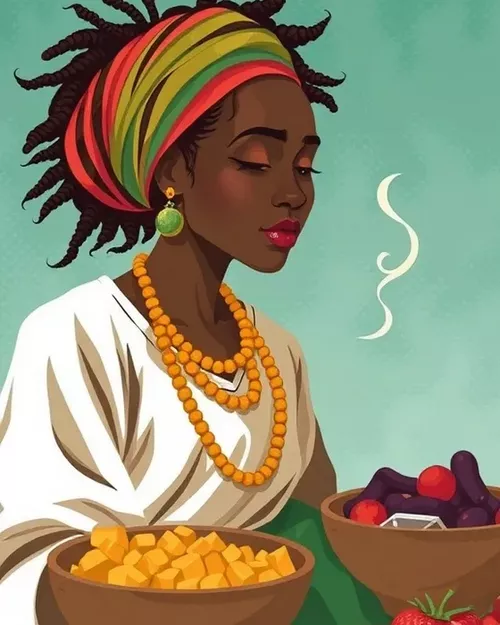
Senegalese cuisine is a flavorful blend of West African and French influences. In Dakar, try La Fourchette for French cuisine or Le Djembe for traditional Senegalese dishes. Street food is abundant and delicious; look for vendors selling Thieboudienne (fish and rice), Yassa (chicken or fish in onion sauce), and Mafe (beef stew in peanut sauce). In Saint-Louis, savor fresh seafood at one of the restaurants along the riverfront. Don't miss the opportunity to try Bissap (hibiscus tea) and Bouye (baobab juice). Be adventurous and sample the local flavors for an authentic culinary experience.
The currency used in Senegal is the West African CFA franc (XOF). While credit cards are accepted in larger hotels, restaurants, and shops in Dakar and other major cities, it's always a good idea to carry cash, especially when visiting smaller towns and villages. ATMs are available in Dakar and other urban centers, but they may not always be reliable. Inform your bank of your travel plans before your trip to avoid any issues with your credit or debit cards. Exchange currency at official exchange bureaus or banks for the best rates.
Visa requirements for Senegal vary depending on your nationality. Many nationalities can enter Senegal visa-free for a certain period. It's essential to check the latest visa regulations with the Senegalese embassy or consulate in your country before your trip. Ensure your passport is valid for at least six months beyond your intended stay. It is always recommended to verify the latest requirements before you plan your visit, as policies can change.
The official language of Senegal is French. However, Wolof is the most widely spoken language, used by a significant portion of the population. Other languages spoken include Pulaar, Serer, and Diola. While French is essential for official purposes and tourism, learning a few basic Wolof phrases can enhance your interactions with locals. In tourist areas, you will often find people who speak English, but it is less common than French.
Senegal is generally considered a safe country for tourists. However, like any travel destination, it's essential to take precautions to protect yourself from petty theft, especially in crowded areas. Avoid displaying expensive jewelry or electronics, and be aware of your surroundings. Exercise caution when traveling at night, and avoid walking alone in poorly lit areas. Stay informed about any potential safety concerns or travel advisories issued by your government. By taking common-sense precautions, you can enjoy a safe and memorable trip to Senegal.
Senegal uses Type C, D, E, and K electrical outlets. The standard voltage is 230 V, and the frequency is 50 Hz. It is advisable to carry a universal adapter if your devices use different plug types or voltages. Adapters are readily available at airports and travel stores. Check the voltage requirements of your electronic devices before plugging them in to avoid damage. While power outages can occasionally occur, most hotels and tourist facilities have backup generators.