


South Korea is popular for
South Korea in next 3 month -14/15°C-7/14°C-4/22°C1/25°C5/30°C14/32°C
 17/31°C
 18/33°C13/29°C4/22°C-6/24°C-5/3°CSeptember in South Korea experiences cooler temperatures with clear skies and improved air quality.
Weather in South Korea
jan
-14/15°CAQI 32
feb
-7/14°CAQI 29
mar
-4/22°CAQI 53
apr
1/25°CAQI 55
may
5/30°CAQI 40
jun
14/32°CAQI 36
jul
17/31°CAQI 27
aug
18/33°CAQI 27
sep
13/29°CAQI 25
oct
4/22°CAQI 30
nov
-6/24°CAQI 31
dec
-5/3°CAQI 34
Usual trip duration
5-7 days
A 5-7 day trip to South Korea allows you to explore the bustling city of Seoul, visit historical sites such as Gyeongbokgung Palace and Bukchon Hanok Village, experience the vibrant street food scene, and take a day trip to the picturesque countryside.💰
Moderate to expensiveThings To Do
Ideas To Plan Your Trip
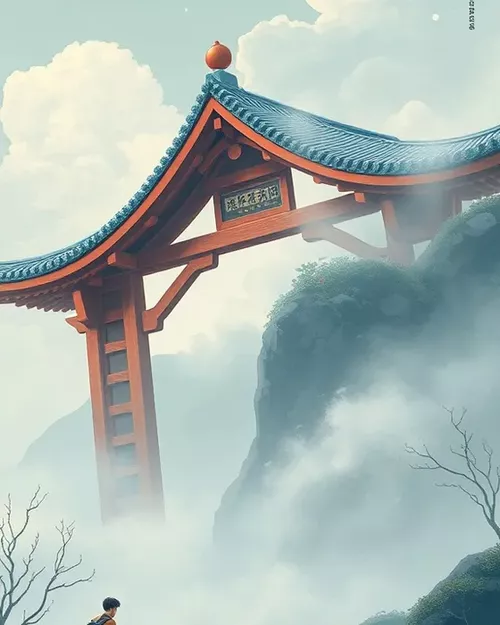
Embark on a food journey exploring traditional dishes.
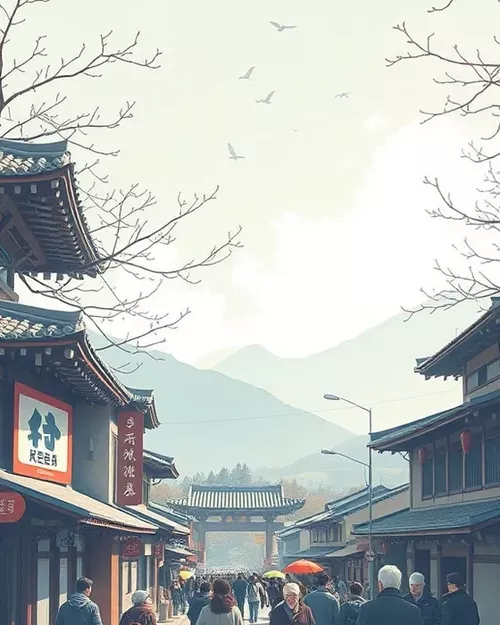
Dive into the rich cultural heritage of the region.
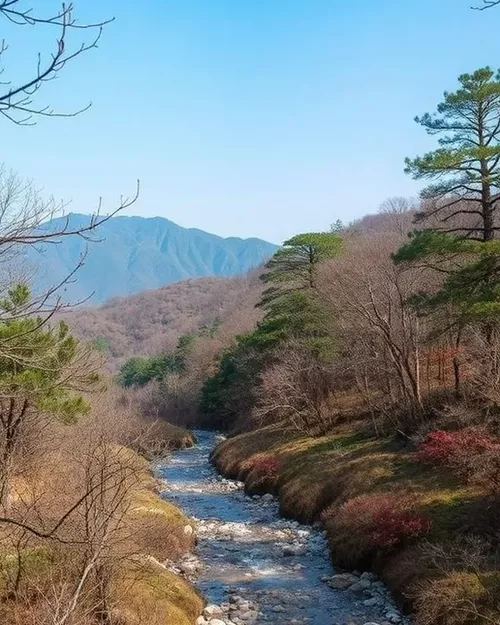
Reconnect with nature through scenic hikes and parks.
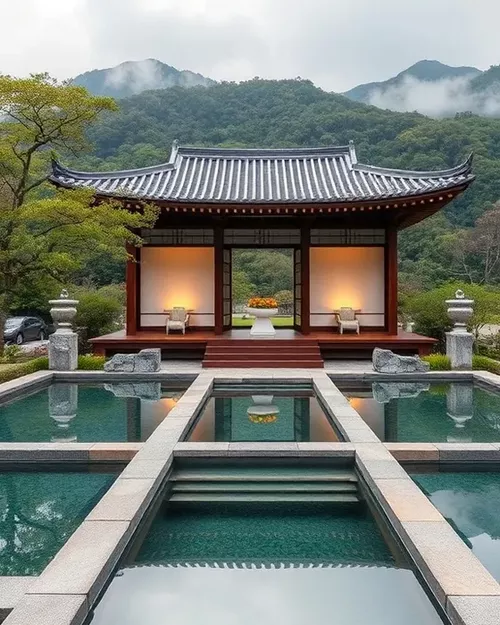
Indulge in wellness experiences for mind and body.

Participate in hands-on art experiences and classes.
Places To Visit
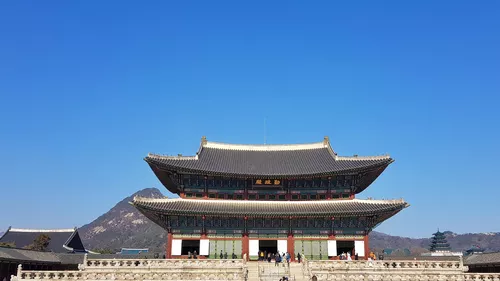
Gyeongbokgung Palace
PALACEHistoric royal palace complex
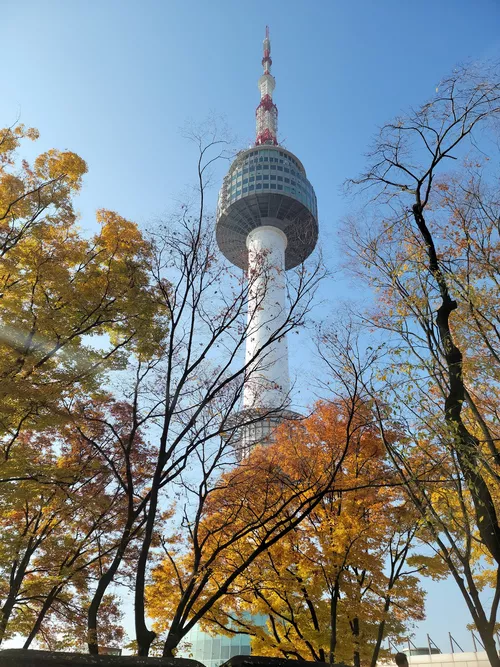
Namsan Seoul Tower
LANDMARKIconic city landmark with panoramic views
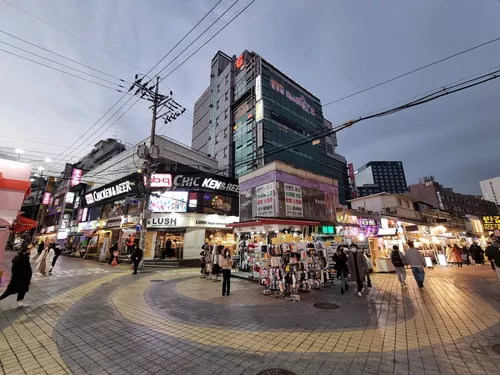
Hongdae District
DISTRICTVibrant nightlife and street performances
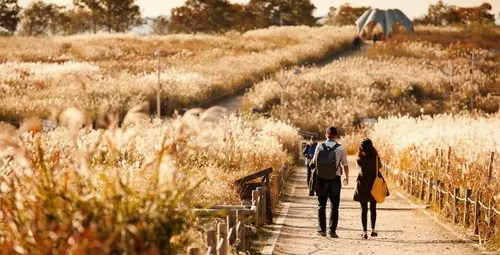
Haneul Park
PARKBeautiful silver grass fields
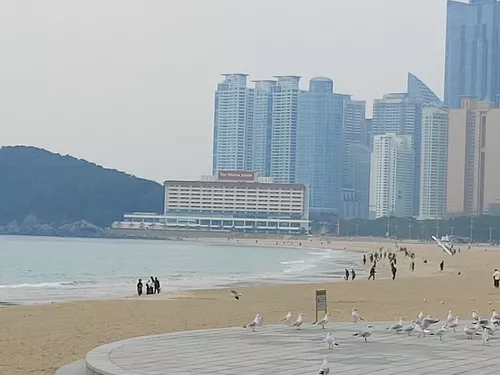
Busan Beaches
BEACHScenic coastal relaxation spots
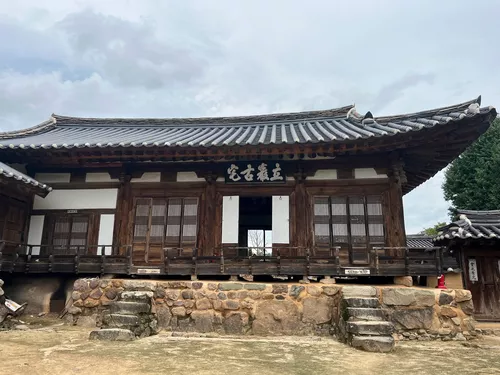
Andong Hahoe Folk Village
VILLAGETraditional Korean village experience
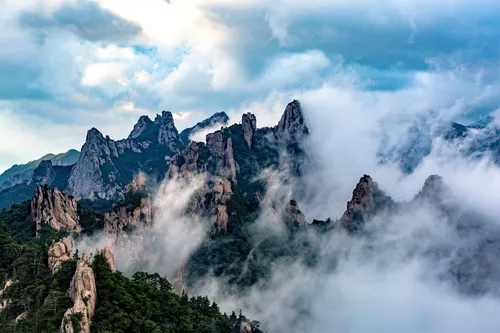
Seoraksan National Park
NATIONAL PARKMajestic mountain landscapes
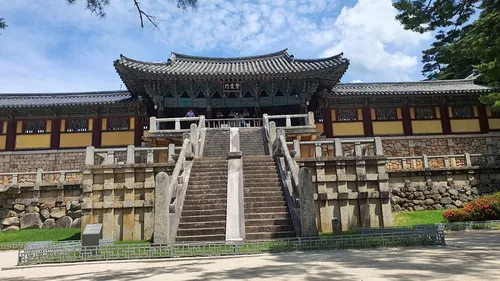
Bulguksa Temple
TEMPLEAncient Buddhist temple complex
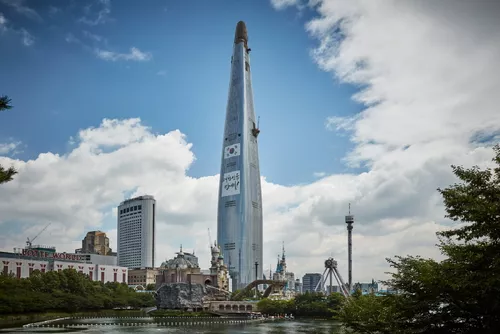
Lotte World Tower
SKYSCRAPERTallest building in South Korea
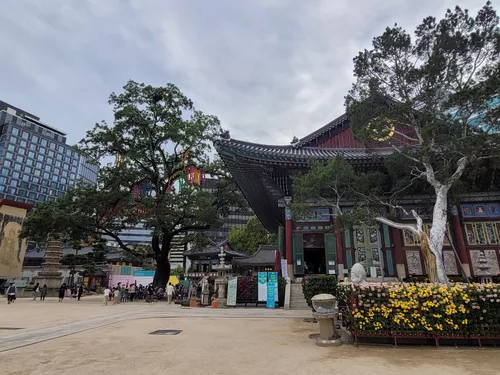
Jogyesa Temple
TEMPLECenter of Korean Buddhism
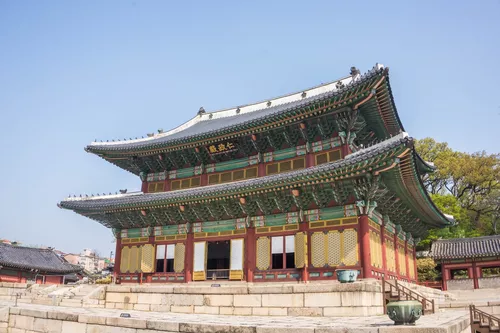
Changdeokgung Palace
PALACEUNESCO World Heritage site
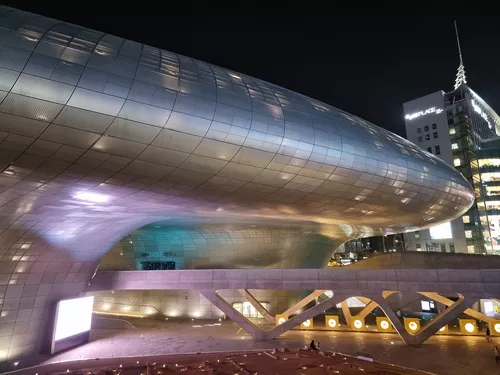
Dongdaemun Design Plaza
LANDMARKFuturistic architecture and design
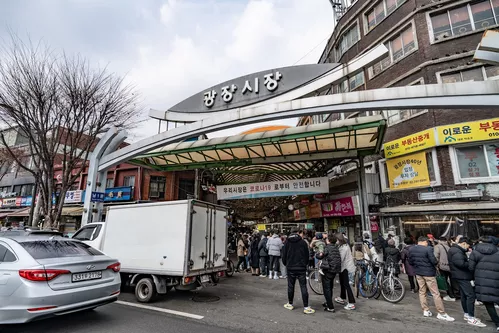
Gwangjang Market
MARKETTraditional Korean street food
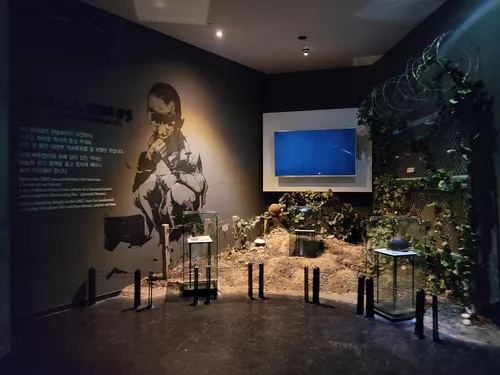
Korean Demilitarized Zone (DMZ)
HISTORICALBorder between North and South Korea
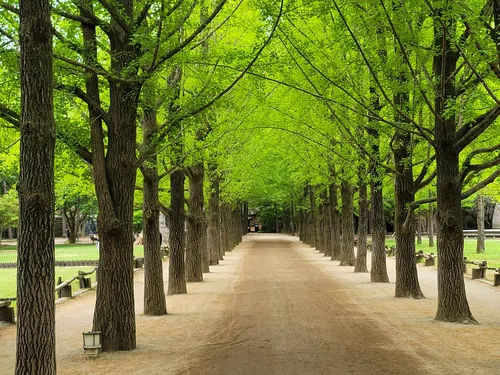
Nami Island
ISLANDScenic filming location
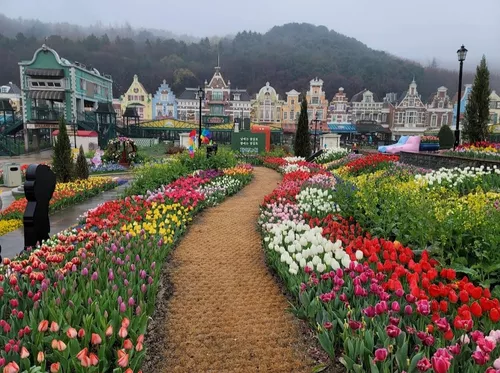
Everland Resort
THEME PARKLargest theme park in South Korea
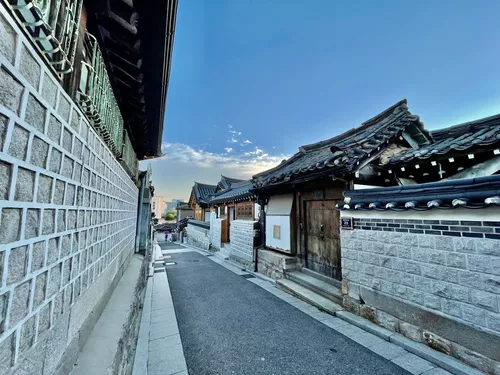
Bukchon Hanok Village
VILLAGEPreserved traditional Korean houses
Places To Eat

bogwangjung

Hangong-Gan

Daol Charcoal Grilling (Korean BBQ Daol)

Onjium

The Green Table

Han-Wolgwan

ZIU BBQ

L’Amant Secret

Kyochon Chicken Dongdaemun 1st Branch

MUGUNGHWA

Continental

7th Door

Mingles

La Yeon

Jungsik Seoul

The Margaux Grill

Born and Bred

Hwanggeum Kongbat

MYONGWOLGWAN

Mongtan
How to Reach
Places to Stay