


Spain is popular for
Spain in next 3 month -3/16°C-4/21°C-4/27°C5/34°C8/32°C13/39°C18/41°C15/41°C10/33°C7/32°C0/20°C5/15°CJune in Spain starts to get warmer, especially in the southern regions. Air quality remains good.
Weather in Spain
jan
-3/16°CAQI 29
feb
-4/21°CAQI 33
mar
-4/27°CAQI 26
apr
5/34°CAQI 32
may
8/32°CAQI 32
jun
13/39°CAQI 34
jul
18/41°CAQI 35
aug
15/41°CAQI 36
sep
10/33°CAQI 30
oct
7/32°CAQI 27
nov
0/20°CAQI 28
dec
5/15°CAQI 39
Usual trip duration
1 week
For a week-long trip to Spain, you can explore the vibrant cities of Barcelona and Madrid, visit historic landmarks like the Alhambra in Granada, relax on the beaches of the Costa del Sol, and immerse yourself in the rich culture and cuisine of this beautiful country.💰
Moderate to expensiveThings To Do
Ideas To Plan Your Trip

Wine Tasting: Explore local vineyards and savor ðŸ·
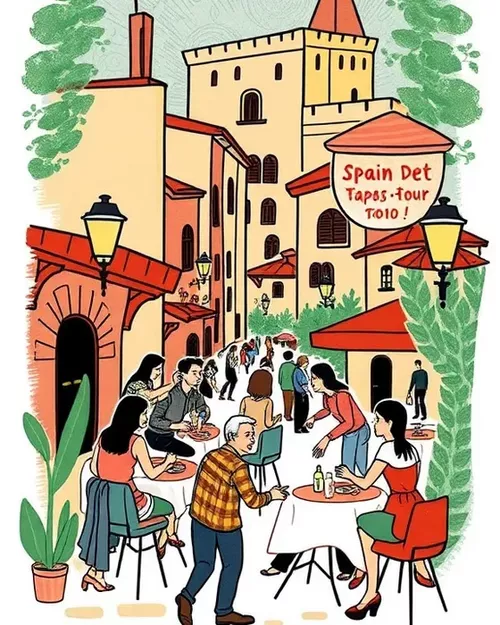
Tapas Tour: Indulge in diverse flavors ðŸ½ï¸

Flamenco Dancing: Feel the passionate rhythm 💃
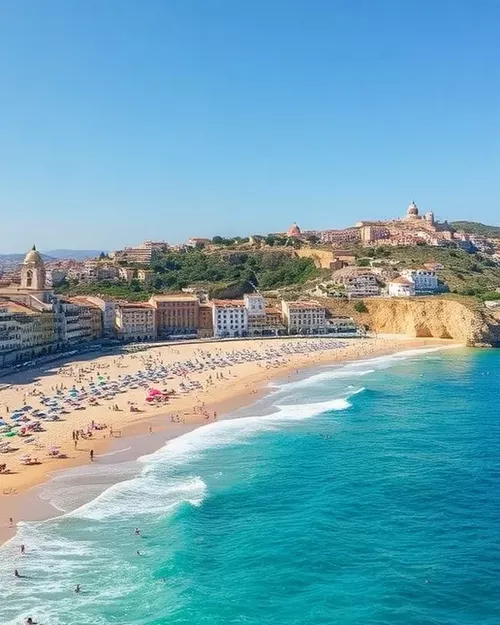
Beach Hopping: Relax on sandy shores ðŸ–ï¸
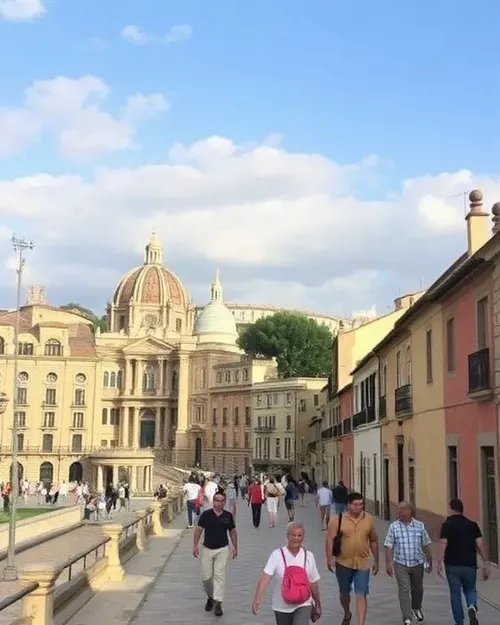
Historic Walking Tour: Immerse in rich culture ðŸ°
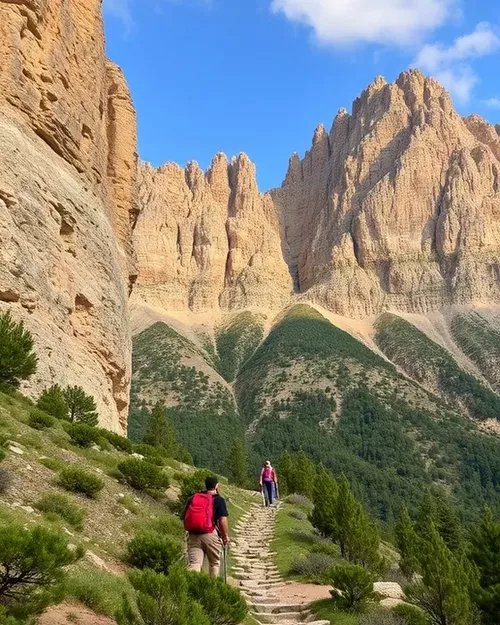
Mountain Hiking: Discover scenic trails ðŸžï¸

Paella Cooking Class: Learn traditional cuisine ðŸ²
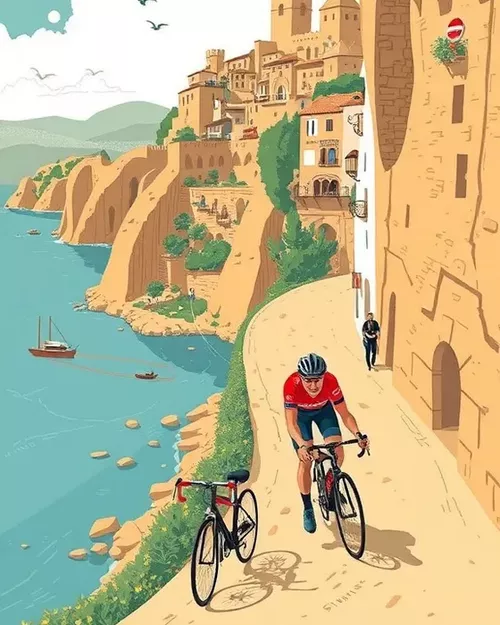
Bike Tour: Pedal through charming streets 🚴
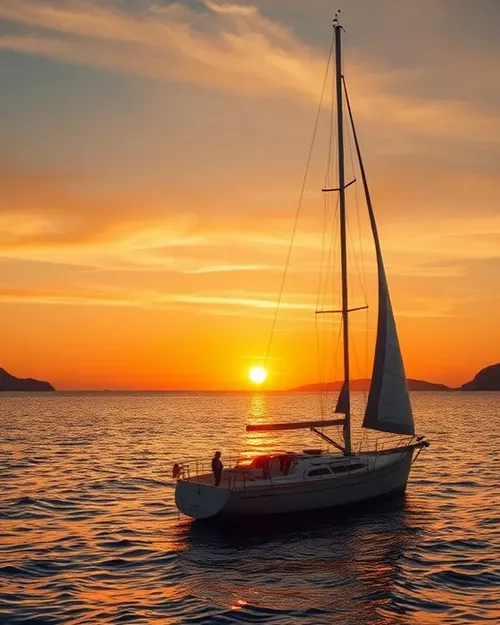
Sunset Sailing: Enjoy breathtaking views ⛵
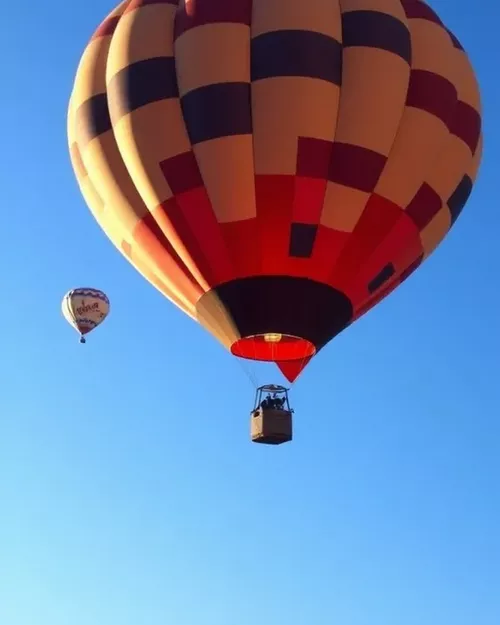
Hot Air Ballooning: Float above picturesque landscapes 🎈
Places To Visit

Alhambra
PALACEStunning Moorish architecture and gardens
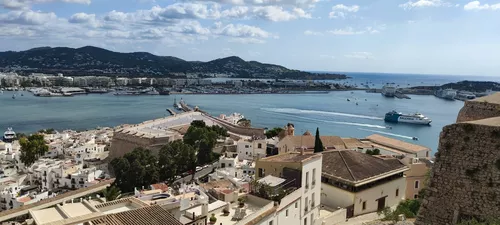
Ibiza
ISLANDFamous for nightlife and beautiful beaches

Park Guell
PARKColorful mosaic sculptures and architecture

Plaza Mayor
SQUAREHistoric square with vibrant atmosphere
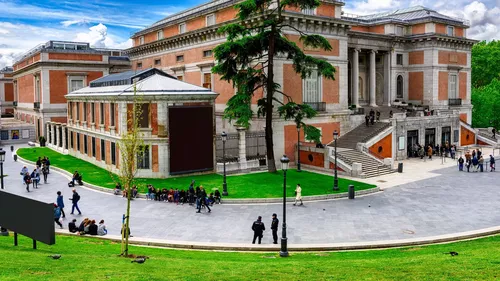
Prado Museum
MUSEUMWorld-class art collection

Seville Cathedral
CATHEDRALGothic masterpiece with a rich history

Toledo Cathedral
CATHEDRALGothic and Mudejar architectural marvel
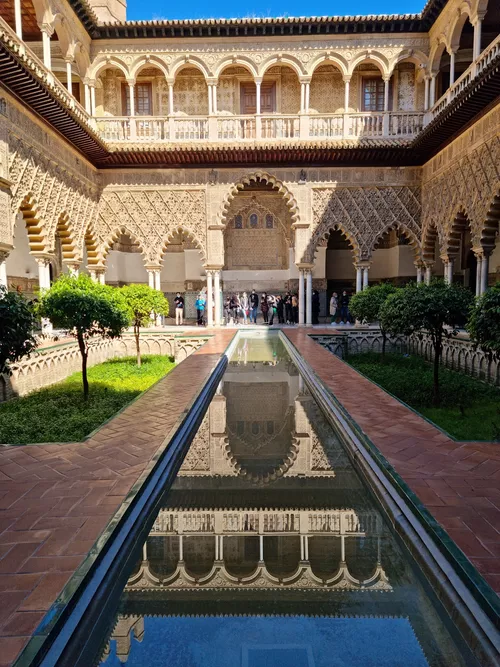
Alcazar of Seville
PALACERoyal palace with stunning gardens

Tibidabo Amusement Park
AMUSEMENT PARKVintage rides with panoramic views

Guggenheim Museum
MUSEUMArchitectural masterpiece with modern art

Casa Batllo
HOUSEFantastical Gaudi-designed building
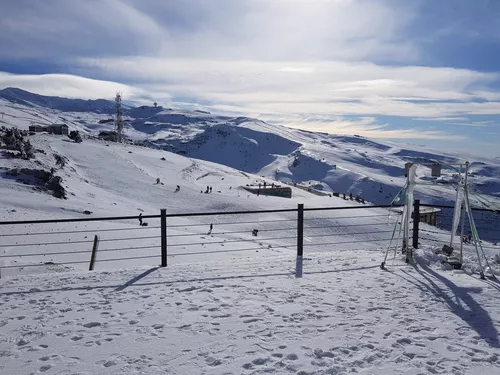
Sierra Nevada
MOUNTAINSSkiing and snow sports in winter

Teide National Park
NATIONAL PARKVolcanic landscapes and hiking trails

Santiago Bernabeu Stadium
STADIUMHome of Real Madrid football club
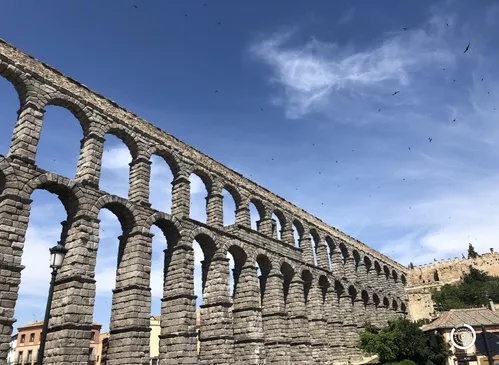
Segovia Aqueduct
AQUEDUCTAncient Roman engineering marvel
Places To Eat

Rosi La Loca

Los Montes de Galicia

Ástor gastro-place

Paisano Bistró

GastroVía 61 – Grupotel Mayorazgo

La Mi Venta

Retiro Da Costiña

Disfrutar

Bodega La Peninsular

Brunchit

ELKANO

Arcano Restaurant cave

Restaurante Arrels

Paco Roncero Restaurante

Mimos Born

Aiyanna Ibiza

El Sur de Moratín

The Beach Ibiza

Restaurant ABaC

Restaurante DCorazon
How to Reach
Places to Stay