Sri Lanka in next 3 month
January in Sri Lanka is warm and sunny with good air quality.
Usual trip duration
For a comprehensive trip to Sri Lanka, 5-7 days would be ideal. You can explore the cultural triangle, visit ancient ruins, go on a safari in one of the national parks, relax on the beautiful beaches, and experience the local cuisine and traditions.
Affordable with some luxury options
The best time to visit Sri Lanka depends on the region you plan to explore. Generally, the west and south coasts are best visited from December to March, benefiting from dry and sunny weather. For the east coast, the ideal period is from April to September, when the monsoon season has passed. The central highlands experience pleasant weather year-round, but it's drier from January to March. Planning your trip around these seasonal variations ensures you experience the island's diverse landscapes at their finest, whether you're seeking beach bliss, cultural immersion, or adventure in the hills. Avoid the inter-monsoonal periods (October-November) for the least amount of rain across the island.
The primary gateway to Sri Lanka is Bandaranaike International Airport (CMB) in Colombo. Numerous international airlines offer direct and connecting flights from major cities worldwide. Popular routes include flights from Dubai, Doha, Singapore, London, and various European and Asian hubs. Upon arrival, you can easily access Colombo and other parts of the island via taxis, airport shuttles, or pre-booked private transfers. Some major airlines that fly to Colombo include Emirates, Qatar Airways, SriLankan Airlines, and Singapore Airlines. Ensure you have the necessary visa requirements and travel documents before your trip. Consider booking flights and accommodations in advance, especially during peak tourist seasons, to secure the best deals and availability.
Sri Lanka boasts a wealth of attractions, catering to diverse interests. For first-time visitors, some highlights include the ancient city of Sigiriya (Lion Rock), a UNESCO World Heritage site featuring stunning frescoes and panoramic views; the sacred city of Kandy, home to the Temple of the Tooth Relic; the tea plantations of Nuwara Eliya, offering scenic landscapes and tea-tasting experiences; the pristine beaches of the south coast, such as Mirissa and Unawatuna, ideal for relaxation and water sports; and the wildlife-rich national parks like Yala, where you can spot elephants, leopards, and a variety of bird species. Explore the historic city of Galle, a UNESCO World Heritage site, featuring a Dutch Fort. Don't forget to indulge in the local cuisine and immerse yourself in the vibrant culture of this beautiful island nation. Each destination offers a unique glimpse into Sri Lanka's rich history, natural beauty, and cultural heritage.
Beyond sightseeing, Sri Lanka offers a plethora of activities to suit every traveler. Surfing enthusiasts can head to Arugam Bay or Weligama for world-class waves. Adventure seekers can embark on hiking trails in the Knuckles Mountain Range or climb Adam's Peak for a spiritual experience. Wildlife enthusiasts can enjoy safari tours in national parks like Yala, Udawalawe, or Minneriya, offering opportunities to see elephants, leopards, and diverse birdlife. Cultural immersion can be achieved through cooking classes, traditional dance performances, and visits to local villages. Wellness retreats and Ayurvedic treatments are also popular, providing relaxation and rejuvenation. Divers and snorkelers can explore vibrant coral reefs and shipwrecks along the coast. From adrenaline-pumping adventures to tranquil cultural experiences, Sri Lanka has something for everyone.
While Sri Lanka itself offers a diverse range of experiences, its strategic location also makes it a convenient base for exploring nearby destinations. The Maldives, with its pristine beaches and luxurious resorts, is a short flight away and perfect for a relaxing getaway. Southern India, including cities like Chennai, Kochi, and Bangalore, offers a rich tapestry of cultural and historical attractions. Malaysia and Singapore are also easily accessible, providing opportunities to experience vibrant city life and diverse cuisines. These nearby destinations offer a variety of experiences, from tropical paradise to bustling metropolises, making them ideal extensions to your Sri Lankan adventure. Consider these destinations for multi-country tours and diverse cultural explorations.
Sri Lanka offers diverse shopping experiences, from bustling markets to modern shopping malls. For souvenirs and local crafts, head to Colombo's Pettah Market for a vibrant and chaotic experience. Laksala, a government-run emporium, offers a wide range of handicrafts, tea, and spices at fixed prices. For gems and jewelry, Ratnapura (City of Gems) is the place to go. In Kandy, visit the Kandy City Centre for a mix of local and international brands. For tea, head to dedicated tea shops in Colombo or tea estates in Nuwara Eliya. Don't miss Barefoot in Colombo, which offers beautiful handloom textiles and crafts. Haggling is common in local markets, so be prepared to negotiate for the best prices. Remember to purchase authentic Sri Lankan products to support local artisans and businesses.
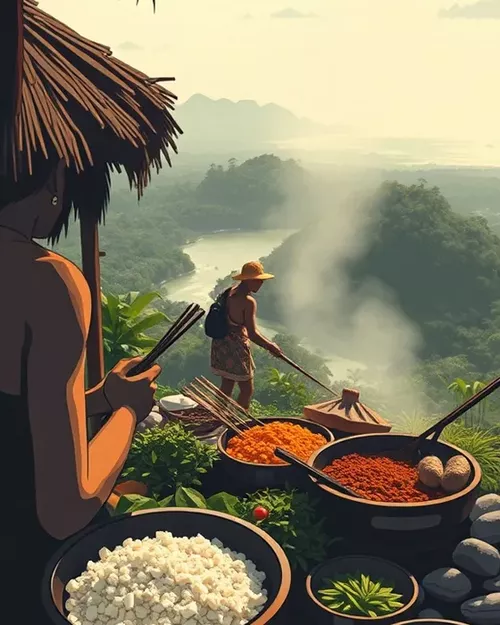
Sri Lankan cuisine is a delightful blend of flavors and spices. For an authentic local experience, try street food stalls in Colombo for kottu roti and hoppers. Ministry of Crab in Colombo is renowned for its fresh seafood. For traditional Sri Lankan rice and curry, try Upali's by Nawaloka in Colombo. In Kandy, Devon Restaurant is popular for its local dishes. The Grand Indian in Colombo offers exquisite Indian cuisine with a Sri Lankan twist. Try the local specialty Lamprais, a Dutch-influenced dish of rice and meat baked in a banana leaf. Don't miss out on tasting fresh tropical fruits like mangoes, pineapples, and passion fruit. Exploring local restaurants and street food stalls will give you a true taste of Sri Lanka's culinary heritage. Also look for Rotty shops, small family run businesses where you can taste many different kinds of rotty - sweet or savory!
Most nationalities require a visa to enter Sri Lanka. The easiest way to obtain a visa is through the online Electronic Travel Authorization (ETA) system. This allows you to apply for a tourist visa online before your trip. The ETA is typically valid for 30 days, but you can extend it upon arrival. Some nationalities may be eligible for visa-free entry for a limited period. It's essential to check the specific visa requirements for your nationality before traveling. Ensure your passport is valid for at least six months beyond your intended stay. You can also obtain a visa upon arrival at Bandaranaike International Airport, but the online ETA is generally recommended for a smoother process. Always check the latest visa regulations on the official website of the Department of Immigration and Emigration of Sri Lanka before your trip.
The local currency in Sri Lanka is the Sri Lankan Rupee (LKR). It's advisable to exchange your currency upon arrival at Bandaranaike International Airport, where you'll find several authorized money exchange counters. Banks and licensed money changers are also available in major cities like Colombo and Kandy. Credit cards are widely accepted in larger hotels, restaurants, and shops, but it's useful to have some cash for smaller establishments and local markets. ATMs are readily available in most towns and cities, allowing you to withdraw local currency. Be aware of the exchange rates and any associated fees when exchanging money. It's always a good idea to inform your bank of your travel plans to avoid any issues with your credit or debit cards.
Sri Lanka is a culturally rich and predominantly Buddhist country. When visiting temples, dress modestly, covering your shoulders and knees. Remove your shoes and hats before entering religious sites. Avoid pointing your feet at religious figures or monks, as it is considered disrespectful. Public displays of affection are generally discouraged. When taking photos, ask for permission, especially when photographing locals. Bargaining is acceptable in markets, but do so respectfully. Tipping is customary in restaurants and for services. Be mindful of noise levels in quiet areas and religious sites. Learning a few basic Sinhala or Tamil phrases can be appreciated by locals. Respect for local customs and traditions will enhance your experience and create positive interactions during your visit.
Before traveling to Sri Lanka, consult your doctor or a travel clinic for recommendations on necessary vaccinations and health precautions. Hepatitis A and Typhoid vaccinations are often recommended. Depending on your itinerary and activities, vaccinations for Japanese Encephalitis and Rabies may also be advised. Malaria is present in some areas, so discuss the need for malaria prophylaxis with your doctor. Dengue fever is also a risk, so take precautions to avoid mosquito bites, such as using insect repellent and wearing long sleeves and pants. Drink bottled or purified water to avoid waterborne illnesses. Ensure you have comprehensive travel insurance that covers medical emergencies and evacuation. It's also advisable to carry a basic first-aid kit with essential medications.
Sri Lanka offers a variety of transportation options, each with its own advantages and costs. Trains are a scenic and affordable way to travel between major cities, but they can be slow and crowded. Buses are the most common and cheapest mode of transportation, but they can also be very crowded and uncomfortable. Taxis and tuk-tuks (three-wheelers) are readily available for short distances, but agree on a fare before starting your journey. Renting a car with a driver is a convenient option for exploring the country at your own pace, but it can be more expensive. Domestic flights are available for travel between Colombo and Jaffna. Consider your budget, comfort level, and travel time when choosing your transportation. For longer distances, trains or rented cars with drivers are often the most practical options.