Usual trip duration
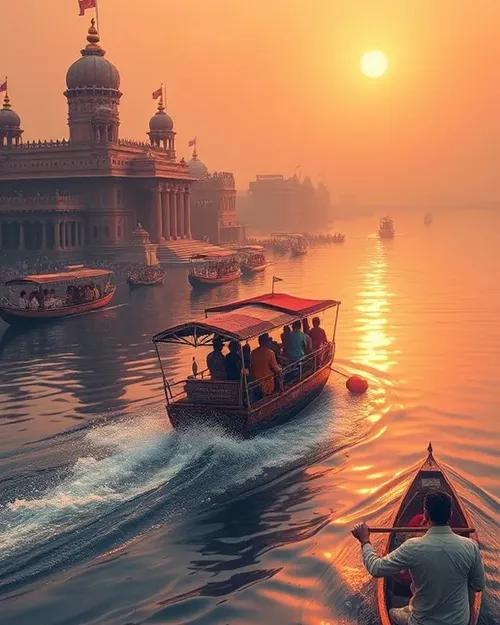
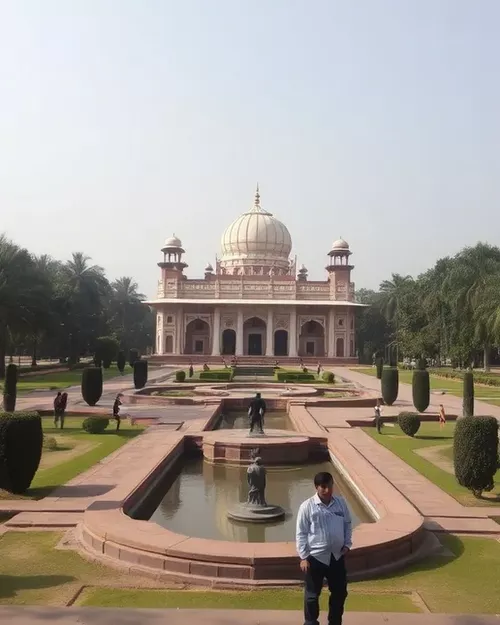
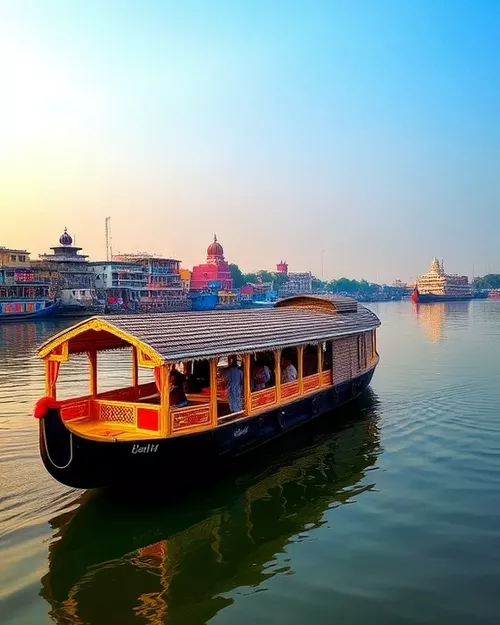
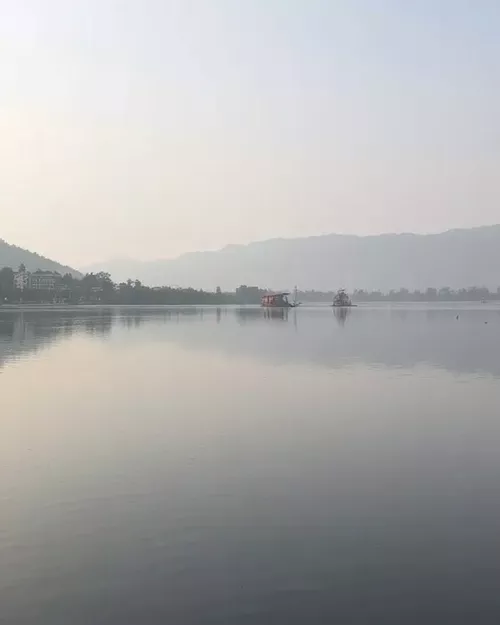
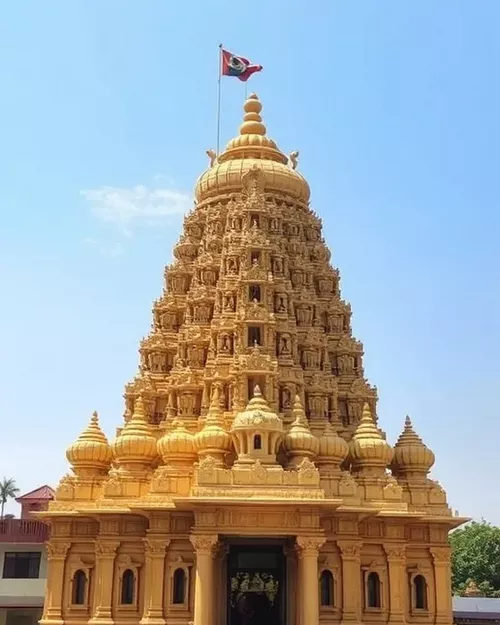
A 3-4 day trip to Srinagar allows you to explore the beautiful Mughal gardens, take a shikara ride on Dal Lake, visit the historic Shankaracharya Temple, and experience the vibrant local culture.
Moderate to expensive
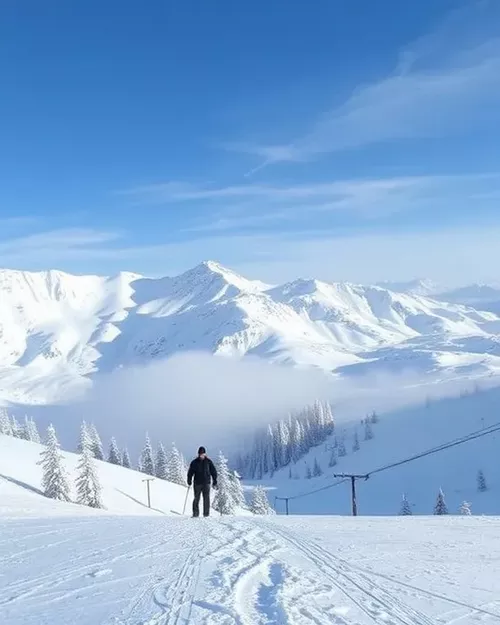
The best time to visit Srinagar, the summer capital of Jammu and Kashmir, is from April to October. During these months, the weather is pleasant, with temperatures ranging from 15°C to 30°C. This period is ideal for sightseeing, shikara rides on Dal Lake, and exploring the Mughal gardens. The spring season (April-May) brings blooming flowers and lush greenery, while the autumn season (September-October) offers breathtaking views of the Chinar trees in their full golden glory. For those interested in snow, the winter months (December-February) offer a different charm, although some attractions may be less accessible due to heavy snowfall. However, it is important to note that Srinagar can be visited throughout the year based on your preference. Plan your trip according to your interests, keeping the weather in mind for a memorable experience.
Srinagar is well-connected to the rest of India, making it accessible via air, road, and rail. Here's a detailed guide:
Srinagar, often referred to as 'Paradise on Earth', is brimming with breathtaking attractions. Here are some must-visit places:
Srinagar offers a plethora of activities for tourists, ensuring an unforgettable experience. Here's a list to consider:
Srinagar serves as an excellent base for exploring other stunning destinations in Kashmir. Here are some popular nearby places to visit:
Srinagar is a shopper's paradise, offering a wide range of traditional Kashmiri handicrafts and products. Here are some popular shopping spots:
Srinagar offers a delightful culinary experience with its blend of Kashmiri and Mughlai flavors. Here are some of the best restaurants and street food spots:
The safety of traveling to Srinagar is a common concern for tourists. While the region has experienced periods of political instability in the past, the current situation is generally stable, and the government has taken significant steps to ensure the safety of tourists. It is always advisable to stay informed about the current situation by checking travel advisories issued by your government or consulting with local authorities and tour operators before planning your trip. Adhering to local guidelines, avoiding sensitive areas, and respecting local customs will contribute to a safe and enjoyable travel experience in Srinagar. It is also recommended to book accommodations and tours through reputable agencies to ensure your safety and well-being.
The type of clothing you should pack for Srinagar depends largely on the time of year you are visiting. During the summer months (April to October), lightweight cotton and linen clothing are ideal, as the weather is generally warm and pleasant. However, it is always a good idea to carry a light jacket or sweater, as the evenings can get cooler, especially at higher altitudes. If you are planning to visit during the winter months (November to March), it is essential to pack heavy woolen clothing, including thermal underwear, sweaters, jackets, gloves, hats, and scarves, as temperatures can drop below freezing. Additionally, comfortable walking shoes are a must, regardless of the season, as you will be doing a lot of walking and exploring. If you plan to participate in outdoor activities like trekking or skiing, pack appropriate gear and clothing for those activities as well.
Kashmiri cuisine is rich and flavorful, with a strong emphasis on meat-based dishes cooked with aromatic spices. Here are some traditional Kashmiri dishes you should definitely try:
When visiting Srinagar, it's helpful to be aware of a few important things to ensure a smooth and respectful trip:
While most areas in and around Srinagar do not require special permits for Indian citizens, certain remote or restricted areas may require permits, especially if they are close to the Line of Control (LOC). For foreign nationals, it's advisable to check with the local authorities or the Tourist Department to determine if any special permits are required for the areas you plan to visit. The process for obtaining permits may vary depending on the area and the nationality of the traveler. Generally, permits can be obtained through registered tour operators or the local tourism office. It's always best to check the latest regulations and requirements before your trip to avoid any inconvenience.
The primary language spoken in Srinagar is Kashmiri, also known as Koshur. It is an Indo-Aryan language with its own unique script and cultural significance. However, Urdu is also widely spoken and understood throughout Srinagar and serves as a common language of communication. Hindi and English are also spoken and understood by many people, especially in tourist areas and among educated individuals. While you can manage your trip with English in most tourist spots, learning a few basic Kashmiri phrases can enhance your experience and show respect for the local culture. Some useful phrases include 'As-salamu alaykum' (hello), 'Shukriya' (thank you), and 'Khoda hafez' (goodbye).