Taiwan in next 3 month
December in Taiwan is cool with occasional rain showers and moderate air quality.
Usual trip duration
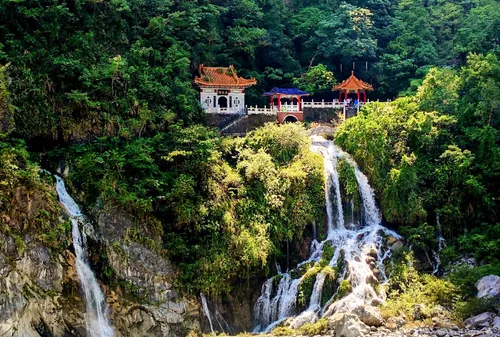
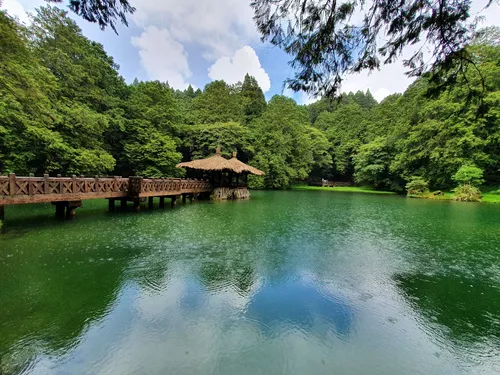
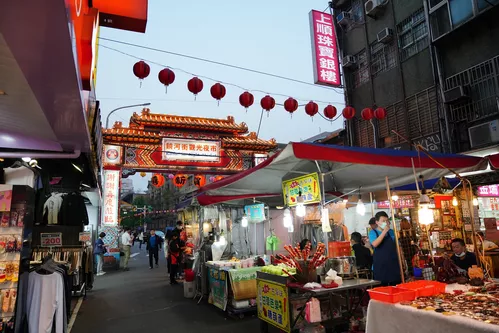
A 5-7 day trip to Taiwan allows you to explore the bustling city of Taipei, visit the stunning Taroko Gorge, relax in the hot springs of Beitou, and experience the vibrant night markets. You can also take a day trip to the beautiful Sun Moon Lake for a serene escape.
Moderate to expensive
The best time to visit Taiwan is during the shoulder seasons: April to May and September to November. During these months, the weather is generally pleasant with comfortable temperatures and lower rainfall. Spring (April-May) boasts blooming flowers and comfortable sightseeing weather. Autumn (September-November) provides clear skies, warm temperatures, and stunning foliage, making it ideal for outdoor activities and exploring Taiwan's scenic landscapes. Avoid the typhoon season (July-September) if you're not a fan of heavy rain and potential travel disruptions. Winter (December-February) can be mild in the south but cooler in the north, with occasional rain. However, it’s also a good time to experience hot springs and winter festivals. Summer (June-August) is hot and humid, but it's also a great time to enjoy the beaches and water parks.
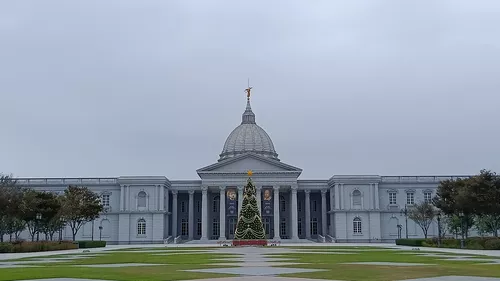
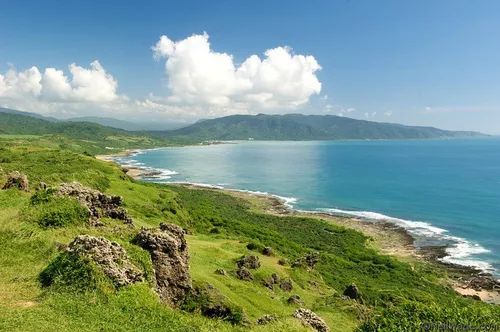
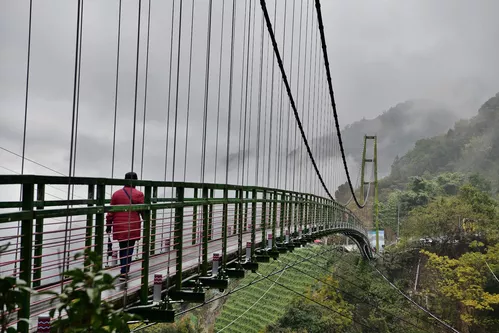
Taiwan boasts a diverse range of attractions, from bustling cityscapes to stunning natural landscapes. Here's a list of some must-visit places:
Taiwan is easily accessible by air, with two major international airports. Here are the details:
Most international visitors arrive at Taiwan Taoyuan International Airport (TPE). From there, you can take the Airport MRT, a comfortable and efficient train, to reach Taipei Main Station in about 35 minutes. Buses and taxis are also readily available, offering alternative transportation options to the city center and other destinations in Taiwan.
Taiwan offers a wide array of activities to suit every interest. From exploring vibrant cities to immersing yourself in nature, there's something for everyone:
While Taiwan itself offers a wealth of attractions, its strategic location also makes it a convenient base for exploring nearby destinations. Here are a few popular options:
Taiwan is a shopper's paradise, offering everything from high-end luxury goods to unique local products. Here are some popular shopping destinations:
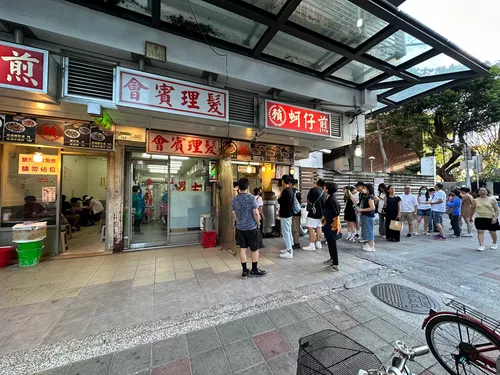
Taiwan is renowned for its culinary scene, offering a diverse range of flavors and dining experiences. Here are some recommendations:
The official currency of Taiwan is the New Taiwan Dollar (NTD), also often represented as NT$. Credit cards are widely accepted in major cities and tourist areas, but it's always a good idea to carry some cash, especially when visiting smaller towns or night markets. ATMs are readily available throughout Taiwan, making it easy to withdraw NTD. Currency exchange services are available at airports, banks, and hotels.
Be aware that while larger establishments readily accept credit cards, smaller shops, night market vendors, and some local restaurants may prefer or only accept cash payments. Having a mix of payment options ensures a smoother experience during your travels. It's advisable to check the current exchange rates before your trip to manage your budget effectively.
The official language of Taiwan is Mandarin Chinese. However, Taiwanese Hokkien is also widely spoken, particularly among the older generation. English is commonly spoken in tourist areas, hotels, and restaurants, especially in larger cities like Taipei. Many signs are also bilingual, making it easier for English-speaking tourists to navigate. Learning a few basic Mandarin phrases can enhance your travel experience and show respect for the local culture. Knowing greetings like 'Ni hao' (hello) and 'Xie xie' (thank you) can go a long way in making interactions more pleasant.
While not everyone speaks English fluently, most Taiwanese people are friendly and willing to help, often using gestures or translation apps to communicate. Don't hesitate to ask for assistance if you need it. Tourist information centers are also a great resource for maps, directions, and assistance in English. Preparing with a translation app or phrasebook can be particularly useful when venturing off the beaten path.
The standard voltage in Taiwan is 110V, and the frequency is 60Hz. The power plugs are typically Type A and Type B, which are two-prong and three-prong flat pin plugs, respectively. If your electronic devices use a different voltage or plug type, you will need to bring a voltage converter and/or plug adapter. Many hotels provide converters and adapters for guests, but it's always a good idea to bring your own to ensure you can use your devices without any issues.
Checking the voltage requirements of your devices before your trip can save you from potential damage or inconvenience. Most modern electronic devices, such as laptops and smartphones, are designed to handle a range of voltages (100-240V), but it's always best to verify. If you're traveling from a country with a 220-240V standard, a voltage converter is essential for using devices like hair dryers, electric shavers, or other appliances that are not dual-voltage.
Tipping is not a common practice in Taiwan, and it is generally not expected in most situations. You do not need to tip in restaurants, taxis, or for other services. However, it is becoming increasingly common for higher-end hotels and restaurants to automatically add a 10% service charge to the bill. In such cases, further tipping is not necessary. For exceptional service, you can round up the bill slightly, but it is not obligatory. Tour guides and drivers may appreciate a tip for their services, especially if they have provided an excellent experience, but it is entirely at your discretion.
While tipping is not ingrained in Taiwanese culture, showing appreciation through a genuine thank you or a positive review can be equally meaningful. The focus is more on providing good service and building relationships rather than expecting monetary rewards. Being aware of the local customs will help you navigate social interactions respectfully during your visit.
Understanding and respecting local customs can greatly enhance your experience in Taiwan. Here are some etiquette tips to keep in mind: When meeting someone, a slight bow or nod is a polite greeting. Business cards are often exchanged with both hands. Avoid sticking your chopsticks upright in a bowl of rice, as it resembles incense offerings for the deceased. When visiting temples, dress modestly and remove your shoes if required. Avoid loud talking or boisterous behavior in quiet or religious places. Using both hands when giving or receiving something is considered polite. Public displays of affection are generally less common than in Western cultures. When using public transportation, refrain from talking loudly on your phone. Being punctual is appreciated in both business and social settings.
Showing respect for elders is highly valued in Taiwanese culture. When dining, it's customary to wait for the eldest person to start eating before you do. When giving gifts, avoid giving clocks or white items, as they have negative connotations. Learning a few basic Mandarin phrases, such as 'thank you' (xièxiè) and 'excuse me' (duìbùqǐ), can be greatly appreciated by locals. Being mindful of these cultural nuances can help you build positive relationships and make your visit to Taiwan more enjoyable.