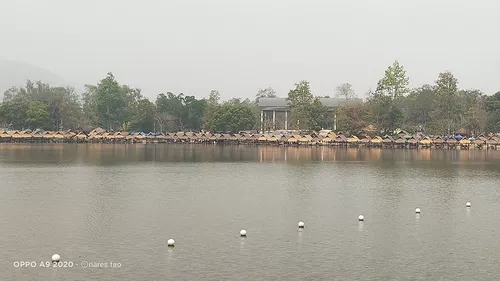
The best time to visit Thailand is generally during the cool and dry season, which runs from November to early April. This period offers the most pleasant weather conditions across much of the country, with lower humidity and temperatures ranging from 20°C to 30°C (68°F to 86°F). It's ideal for exploring beaches, temples, and engaging in outdoor activities. However, this is also peak tourist season, so expect larger crowds and higher prices, especially around popular destinations like Bangkok, Phuket, and Chiang Mai.
For those seeking a balance between good weather and fewer tourists, consider visiting during the shoulder seasons – late April to June, or September to October. While these months may experience occasional rainfall, particularly in the afternoon, the weather is generally still favorable, and you'll often find better deals on accommodation and flights. The rainy season (July to August) can also be a rewarding time to visit, offering lush landscapes and a unique travel experience, but be prepared for heavier downpours and potential disruptions to travel plans.
Thailand is easily accessible by air from most international locations, with two primary international airports serving as major hubs: Suvarnabhumi Airport (BKK) in Bangkok and Phuket International Airport (HKT) in Phuket. Numerous airlines offer direct and connecting flights to these airports from major cities around the world. From North America, expect flight durations of 15-20 hours with potential layovers. From Europe, flights typically range from 11-14 hours. From Australia, flights are generally 8-10 hours.
Once you arrive at either Suvarnabhumi or Phuket airport, you can utilize various transportation options to reach your final destination. In Bangkok, the Airport Rail Link connects the airport to the city center, where you can transfer to the BTS Skytrain or MRT subway. Taxis, ride-sharing services, and airport buses are also readily available. In Phuket, taxis and shuttle buses are the most common modes of transportation to reach hotels and resorts around the island. Booking airport transfers in advance can also ensure a smooth and hassle-free arrival.
For travelers coming from neighboring Southeast Asian countries, land border crossings are also possible, particularly from Malaysia, Laos, Cambodia, and Myanmar. However, ensure you have the necessary visas and travel documents before attempting to cross any land borders.
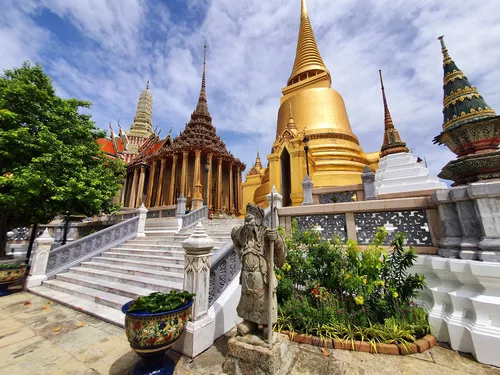
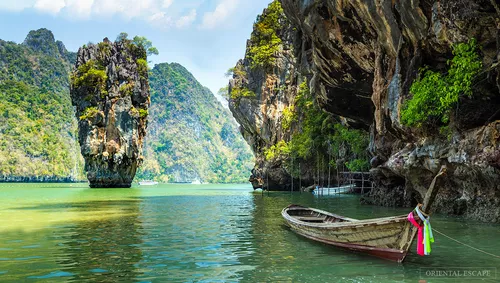
Thailand boasts a diverse range of attractions, from ancient temples and bustling cities to pristine beaches and lush jungles. Here’s a table highlighting some of the must-visit landmarks:
Thailand offers a wealth of activities catering to diverse interests. Whether you're seeking cultural immersion, adventure, relaxation, or culinary delights, Thailand has something for everyone. Here are some popular activities and experiences to consider:
Yes, it’s important to be aware of and respectful of Thai culture to ensure a smooth and enjoyable travel experience. Here are some key customs and etiquette rules to keep in mind:
Thailand is a shopper's paradise, offering a wide array of goods ranging from traditional handicrafts and silk products to modern fashion and electronics. Here are some popular shopping destinations:
Thai cuisine is world-renowned for its vibrant flavors and diverse dishes. From street food stalls to fine dining restaurants, Thailand offers a culinary adventure for every palate. Here are some of the best places to experience Thai food:
Bangkok is a great base for exploring nearby attractions and experiencing different facets of Thailand. Several day trips offer a glimpse into the country's history, culture, and natural beauty. Here are a few popular options:
It is generally not recommended to drink tap water in Thailand. While the tap water may be treated, it can often contain bacteria and other contaminants that can cause stomach upset or illness, especially for visitors who are not accustomed to the local water supply. It is best to drink bottled water, which is readily available and inexpensive throughout Thailand. You can also opt for purified water provided in refill stations, which is a more environmentally friendly option.
Regarding food safety, Thailand is known for its delicious street food, but it's essential to exercise some caution to avoid food poisoning. Look for stalls that are busy and appear clean, as this is usually a good indicator of food quality and freshness. Make sure the food is cooked thoroughly and served hot. Avoid eating raw or undercooked seafood, and be wary of salads or fruit that may have been washed with tap water. Wash your hands frequently, especially before eating, and carry hand sanitizer with you. If you have a sensitive stomach, you may want to stick to cooked dishes and avoid overly spicy food at first. By taking these precautions, you can enjoy the wonderful flavors of Thai cuisine without compromising your health.
The local currency in Thailand is the Thai Baht (THB). It comes in denominations of 20, 50, 100, 500, and 1000 Baht banknotes, as well as 1, 2, 5, and 10 Baht coins. It's always a good idea to have some Thai Baht on hand for smaller purchases, street food, and transportation, especially in more rural areas where credit cards may not be accepted.
Credit cards are widely accepted in larger establishments, such as hotels, restaurants, department stores, and shopping malls, particularly in major tourist destinations like Bangkok, Phuket, and Chiang Mai. Visa and Mastercard are the most commonly accepted credit cards. However, it's always a good idea to check with the merchant before making a purchase to ensure they accept credit cards, and to be aware of any potential surcharges or fees. Smaller shops, local markets, and street vendors often prefer cash payments. ATMs are readily available in most towns and cities, allowing you to withdraw Thai Baht using your debit or credit card. Be sure to inform your bank of your travel plans before leaving to avoid any issues with your card being blocked.
It's crucial to choose ethical elephant sanctuaries that prioritize the well-being and conservation of elephants. Avoid sanctuaries that offer elephant riding or any activities that exploit or harm the animals. Here are some recommended ethical elephant sanctuaries in Thailand:
When visiting an elephant sanctuary, be sure to research their practices and ensure that they align with ethical tourism standards. Look for sanctuaries that prioritize the elephants' welfare over profit and that do not engage in activities that exploit or harm the animals.
The visa requirements for Thailand depend on your nationality and the purpose of your visit. Many nationalities can enter Thailand visa-free for tourism purposes for a specific period, typically 30 days. For example, citizens of the United States, Canada, Australia, the United Kingdom, and most European countries can enter Thailand without a visa for up to 30 days.
If you plan to stay longer than the visa-exempt period or if you're visiting for a purpose other than tourism (such as business, education, or employment), you'll need to apply for a visa. The type of visa you need will depend on the length and purpose of your stay. Some common visa options include:
It's important to check the specific visa requirements for your nationality and the latest regulations before traveling to Thailand. You can find information on the website of the Thai Embassy or Consulate in your country. Also, note that overstaying your visa is a serious offense and can result in fines, detention, and deportation. Ensure you comply with visa regulations to avoid any problems during your stay in Thailand.