Thimphu in next 3 month
February in Thimphu remains cold with clear skies and good air quality.
Usual trip duration
A 3-4 day trip to Thimphu allows you to explore the capital city of Bhutan at a relaxed pace. You can visit the iconic Tashichho Dzong, explore the local markets, and take a day trip to the nearby Buddha Dordenma statue and the beautiful Tashichho Dzong.
Moderate to expensive
The best time to visit Thimphu is during the spring (March to May) and autumn (September to November) seasons. During these months, the weather is pleasant and ideal for sightseeing and outdoor activities. Spring offers vibrant rhododendron blooms, while autumn provides clear skies and stunning views of the Himalayan mountains. Avoid the monsoon season (June to August) due to heavy rainfall and potential landslides. Winter (December to February) can be cold, but it offers a unique opportunity to experience the serene beauty of Thimphu with snow-capped mountains. However, some high-altitude passes might be closed due to snowfall. The Thimphu Tshechu festival, a major religious event, usually takes place in the autumn, making it a particularly popular time to visit.
Thimphu, the capital city of Bhutan, offers a blend of traditional culture and modern development. Here's a list of must-visit attractions:
Reaching Thimphu requires a bit of planning as it does not have its own airport. Here's how you can get there:
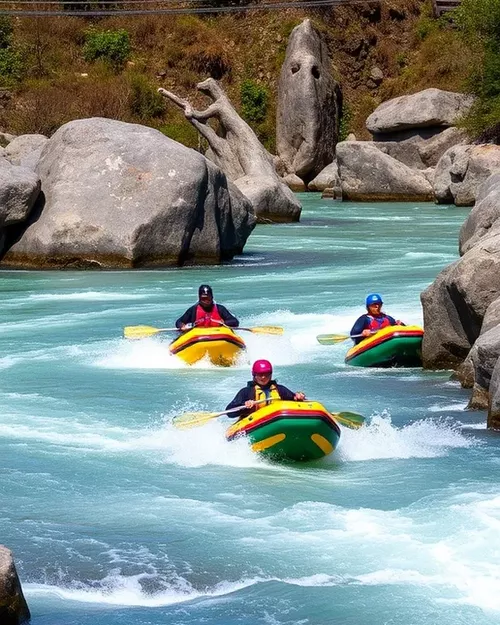
Thimphu offers a range of activities catering to different interests:
From Thimphu, you can easily explore other beautiful destinations in Bhutan:
Thimphu offers several options for shopping, particularly for authentic Bhutanese goods:
Remember to bargain politely, and be mindful of import regulations regarding certain items.
Thimphu offers a variety of dining options, from traditional Bhutanese cuisine to international fare. Here are some recommendations:
Be prepared for spicy food, as chilies are a staple in Bhutanese cuisine. Also, remember to try Suja, the traditional butter tea.
The local currency in Bhutan is the Ngultrum (BTN). It is pegged to the Indian Rupee (INR) at a 1:1 ratio. Indian Rupees are widely accepted in Bhutan, but denominations of ₹500 and ₹2000 are generally not accepted.
You can exchange money at the Paro International Airport upon arrival, at banks in Thimphu, and at some hotels. Banks like the Bank of Bhutan and Bhutan National Bank offer currency exchange services. It's advisable to exchange some money upon arrival for immediate expenses, but ATMs are also available in Thimphu if you need more cash. Credit cards are accepted in some hotels and larger shops, but it's always a good idea to have cash on hand, especially when visiting local markets or smaller establishments.
The appropriate clothing to pack for Thimphu depends on the season you are visiting. However, layering is always a good strategy due to the fluctuating temperatures, especially if you plan on trekking. Here’s a general guideline:
Yes, being aware of and respecting Bhutanese cultural etiquette and customs will greatly enhance your experience in Thimphu. Here are some key points:
By following these guidelines, you will show respect for Bhutanese culture and traditions, and help ensure a positive and enriching experience during your visit to Thimphu.
It is generally not recommended to drink tap water in Thimphu without proper treatment. While the water supply may be treated, the risk of contamination exists due to aging infrastructure and varying water quality standards.
To stay safe and healthy during your trip, consider the following options:
It's also a good idea to be cautious when consuming ice in drinks and to ensure that food is prepared in hygienic conditions. By taking these precautions, you can minimize the risk of waterborne illnesses during your visit to Thimphu.
Yes, Thimphu offers several trekking routes suitable for various fitness levels, providing opportunities to explore the beautiful landscapes and cultural sites surrounding the capital city. Here are a few popular trekking options:
Before embarking on any trek, it's advisable to check the weather conditions and obtain necessary permits. Hiring a local guide can enhance your trekking experience and provide valuable insights into the region's flora, fauna, and culture.
Thimphu's nightlife is relatively subdued compared to larger cities. Bhutanese culture emphasizes community and family, so nightlife is typically low-key and centered around restaurants, bars, and cultural performances. Keep in mind that establishments generally close earlier than in many Western countries, aligning with a more relaxed pace of life.
Here’s what you can expect:
As a visitor, respecting local customs and traditions is essential. Avoid excessive drinking and maintain appropriate behavior in public places. Thimphu's nightlife offers a chance to experience Bhutanese hospitality and connect with locals in a relaxed and welcoming environment.