Venice in next 3 month
December in Venice is cold and foggy with moderate air quality.
Usual trip duration
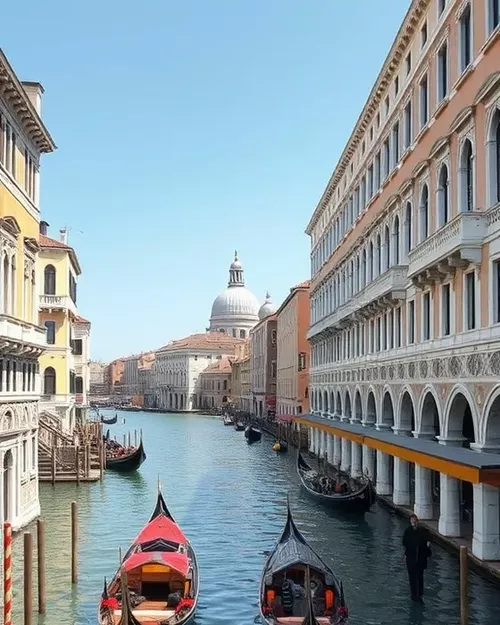
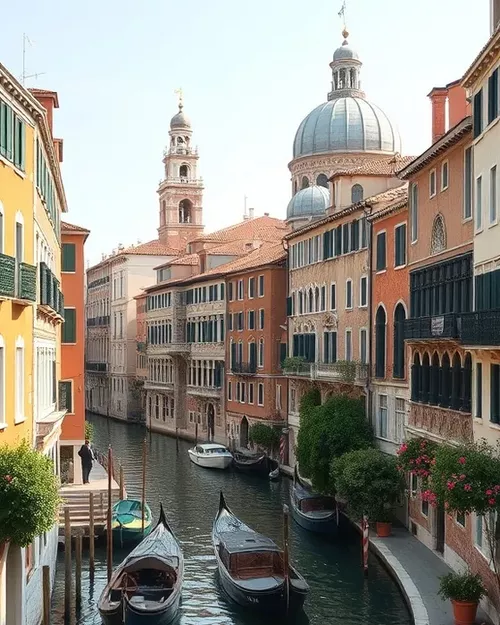
A 2-3 day trip to Venice allows you to explore the iconic canals, visit St. Mark's Square and Basilica, and take a gondola ride through the charming waterways. You can also enjoy the local cuisine and immerse yourself in the romantic atmosphere of the city.
Moderately expensive
The best time to visit Venice for pleasant weather and fewer crowds is during the shoulder seasons: April to May and September to October. During these months, the weather is mild, the crowds are smaller compared to the peak summer season, and you can enjoy the city's attractions more comfortably. June to August can be very hot and crowded, while November to March can be cold and potentially experience *acqua alta* (high water).
Consider attending events like the Venice Carnival in February for a unique cultural experience, but be prepared for larger crowds. For photography enthusiasts, the light is particularly beautiful during the autumn months. Overall, spring and autumn provide an ideal balance for exploring Venice without the intensity of the summer heat or the risk of winter flooding, ensuring a memorable and enjoyable travel experience.
Reaching Venice is relatively straightforward, with several options available depending on your origin and preferences:
Venice is brimming with iconic landmarks and hidden gems. Here are some must-visit attractions that showcase the city's unique charm and history:
Venice offers a wide array of activities to suit every traveler's interests, from romantic gondola rides to exploring the city's rich cultural heritage. Here's a list of activities to enhance your Venetian experience:
Venice serves as an excellent base for exploring the Veneto region and beyond. Here are some popular nearby destinations that offer a diverse range of experiences:
Venice offers a diverse shopping experience, from high-end boutiques to artisan workshops. Here are some of the best places to shop in Venice:
Venice offers a delightful culinary scene, from traditional Venetian cuisine to international flavors. Here are some of the best restaurants and street food spots to try:
*Acqua Alta*, meaning "high water," is a natural phenomenon in Venice where the tide rises significantly, causing flooding in low-lying areas, particularly St. Mark's Square. It typically occurs between autumn and early spring due to a combination of meteorological factors like strong winds, low atmospheric pressure, and a full moon. The city has a system of sirens to warn residents and visitors of impending high tides, providing several hours' notice.
To prepare for *acqua alta*, it's wise to check the tide forecasts before your visit. Purchase or bring waterproof boots, as the water can sometimes reach ankle-deep or higher. The city installs temporary raised walkways in frequently flooded areas like St. Mark's Square to allow pedestrians to navigate the streets. If you experience *acqua alta*, avoid walking close to the edges of canals and be cautious of slippery surfaces. Pharmacies and some shops sell disposable plastic boots. Overall, with some preparation, *acqua alta* can become a memorable, albeit slightly damp, part of your Venetian experience.
Venice, being a city built on water, has unique transportation options. Familiarize yourself with the following to navigate the city efficiently:
Yes, like many religious sites in Italy, Venice's churches, including St. Mark's Basilica, have dress code restrictions. These are in place to maintain respect for the sacredness of the space. It's essential to dress modestly when visiting these sites.
The primary rules include covering your shoulders and knees. Avoid wearing sleeveless tops, tank tops, or dresses with bare shoulders. Similarly, shorts and skirts should fall below the knee. You may be denied entry if your attire is considered inappropriate. Bringing a shawl or scarf to cover your shoulders is a practical solution if you're wearing a sleeveless top. You can also wear lightweight pants or a longer skirt to ensure you're appropriately dressed. While head coverings are generally not required for women in Christian churches, it's still a good idea to dress modestly to show respect. Following these guidelines will ensure a smooth and respectful visit to Venice's beautiful churches.
Venice is generally considered a safe city for tourists. The most common concern is petty theft, particularly pickpocketing in crowded areas such as St. Mark's Square, Rialto Bridge, and on Vaporettos. Be aware of your surroundings and take precautions to protect your belongings. Keep valuables secure in a money belt or inside pocket, and avoid displaying expensive jewelry or electronics.
Violent crime is rare in Venice. The city is well-lit at night, and the presence of police is noticeable, especially in tourist areas. However, it's always wise to avoid walking alone in deserted areas late at night. Scams targeting tourists can occur, such as overpriced gondola rides or fake goods. Always negotiate prices beforehand and be wary of street vendors selling counterfeit items. Additionally, be cautious when using ATMs and avoid withdrawing large sums of cash. Overall, by taking standard safety precautions and being mindful of your surroundings, you can have a safe and enjoyable visit to Venice.
Venice can be an expensive city, but there are numerous ways to experience its beauty without breaking the bank. Planning ahead and making smart choices can significantly reduce your expenses. For accommodation, consider staying in hostels or budget-friendly hotels slightly outside the main tourist areas, such as Mestre or Lido, and commuting to the city center by bus or Vaporetto. Eating out can be costly, so opt for *cicchetti* (Venetian tapas) at local *bacari* (wine bars) for affordable meals.
Take advantage of free activities, such as exploring St. Mark's Square, walking across the Rialto Bridge, and wandering through the charming backstreets. Instead of gondola rides, use the Vaporetto for transportation along the Grand Canal. Visit free attractions like the Rialto Market and local churches (some may have a small entrance fee). Purchase groceries at local supermarkets and prepare your own meals. Consider buying a Venice Pass for discounted access to multiple attractions. By carefully planning your itinerary and making savvy choices, you can enjoy the magic of Venice on a budget.