Vietnam in next 3 month
March in Vietnam sees a rise in temperatures with occasional rain showers and moderate air quality.
Usual trip duration
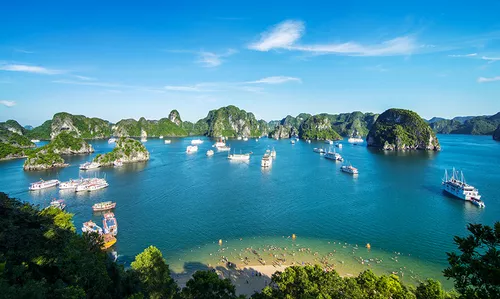
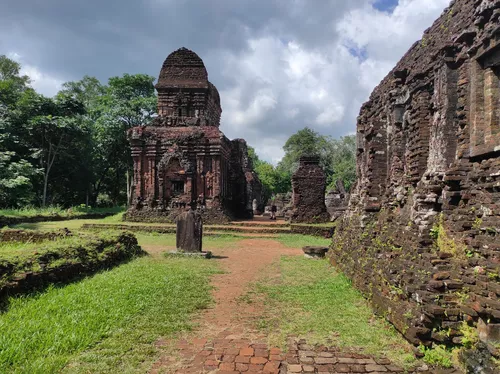
For a comprehensive trip to Vietnam, a week-long visit allows you to explore the bustling city of Hanoi, cruise through the stunning limestone islands of Halong Bay, visit the ancient town of Hoi An, and experience the vibrant culture and history of Ho Chi Minh City.
Very affordable for travelers
The best time to visit Vietnam depends on which region you plan to explore, as the country experiences diverse weather patterns due to its length. Generally, the shoulder seasons – spring (March to April) and autumn (September to November) – are ideal for visiting most of the country. During these months, you can expect pleasant temperatures, lower humidity, and fewer crowds compared to the peak tourist season. The north is cooler and drier, while the central and southern regions offer warm and sunny conditions. Avoid the monsoon season (May to October) if you prefer dry weather, especially in the central and southern regions, where heavy rainfall can disrupt travel plans.
For specific regions: Northern Vietnam (Hanoi, Sapa, Ha Long Bay) is best visited from March to May and September to November for comfortable temperatures. Central Vietnam (Da Nang, Hoi An, Hue) enjoys the driest weather from February to May. Southern Vietnam (Ho Chi Minh City, Mekong Delta) is best from December to April, when the weather is warm and dry. Consider festivals and cultural events when planning your trip, but be prepared for higher prices and more tourists during these times.
Reaching Vietnam is convenient with several international airports serving major cities. Here’s a breakdown of how you can get there:
When planning your trip, consider the time of year and any visa requirements. Booking flights in advance, especially during peak season, can help you secure better prices. Regardless of your chosen mode of transport, make sure you have all the necessary documents and permits to ensure a smooth entry into Vietnam.
Vietnam boasts a diverse range of attractions, from stunning natural landscapes to vibrant cities and historical sites. Here’s a regional breakdown of must-visit places:
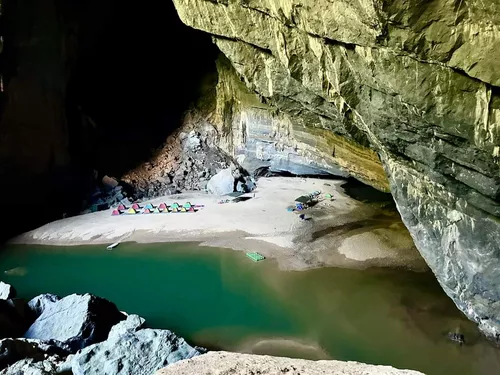
Other notable attractions include Phong Nha-Ke Bang National Park (UNESCO site) with its extensive cave systems, Mui Ne for its sand dunes and beaches, and Dalat for its cool climate and French colonial villas. Each region offers a unique experience, so plan your itinerary based on your interests.
Vietnam offers a plethora of activities catering to various interests, from cultural immersion to adventure and relaxation. Here are some popular options:
Vietnam's location in Southeast Asia makes it a convenient base for exploring neighboring countries. Here are some worthwhile destinations and their accessibility:
Before traveling, ensure you have the necessary visas and check for any travel advisories. These nearby destinations offer diverse cultural and natural attractions, making them great additions to your Vietnam itinerary.
Vietnam offers a wide array of shopping experiences, from bustling markets to modern shopping malls. Here are some of the best places to shop for authentic souvenirs and local products:
When shopping, remember to bargain respectfully, especially in markets. Look for high-quality silk, ceramics, lacquerware, and coffee beans. Supporting local artisans and businesses ensures you get authentic products while contributing to the local economy.
Vietnamese cuisine is renowned for its fresh ingredients and diverse flavors. Here are some top-rated restaurants and street food spots across the country:
Don't miss out on trying local specialties such as Pho (noodle soup), Goi Cuon (fresh spring rolls), and Ca Phe Trung (egg coffee). Exploring street food stalls is a great way to experience the authentic flavors of Vietnam.
Visa requirements for Vietnam vary depending on your nationality and the purpose of your visit. Here’s a general overview:
To apply for a visa, ensure your passport has at least six months of validity and follow the specific instructions for your chosen visa type. Always check the latest visa requirements and regulations before your trip, as they can change.
The local currency in Vietnam is the Vietnamese Dong (VND). While credit cards are accepted in larger hotels, restaurants, and stores, cash is still widely used, especially in local markets and smaller establishments. Exchanging money in Vietnam is relatively easy.
Here are some options:
It's recommended to exchange a small amount of money upon arrival to cover immediate expenses and then exchange more at banks for better rates. Keep small denominations of VND for convenient transactions, especially in markets and street food stalls. Always check the current exchange rates and avoid exchanging money at unofficial establishments to prevent scams.
It is generally not safe to drink tap water in Vietnam. The tap water may contain bacteria and other contaminants that can cause illness. It is recommended to drink bottled water, which is widely available and affordable.
Here are some health precautions to consider:
By taking these precautions, you can minimize the risk of illness and enjoy a healthy and worry-free trip to Vietnam.
Learning a few basic Vietnamese phrases can greatly enhance your travel experience and help you connect with locals. Here are some useful phrases:
Vietnamese is a tonal language, so pronunciation is important. Don't be afraid to try, and locals will appreciate your effort. Using these basic phrases will help you navigate daily interactions and show respect for the local culture.
Respecting local customs and traditions is essential for a positive travel experience in Vietnam. Here are some cultural etiquette tips to keep in mind:
Being mindful of these cultural norms will help you build positive relationships with locals and have a more enriching travel experience in Vietnam.