


Bhutan is popular for
Bhutan in next 3 month -3/19°C
 0/17°C1/18°C4/21°C6/25°C
 11/25°C13/26°C12/25°C11/25°C5/23°C4/18°C3/15°CJune in Bhutan is warm with occasional rain showers and moderate air quality.
Weather in Bhutan
jan
-3/19°CAQI 41
feb
0/17°CAQI 44
mar
1/18°CAQI 87
apr
4/21°CAQI 94
may
6/25°CAQI 51
jun
11/25°CAQI 44
jul
13/26°CAQI 24
aug
12/25°CAQI 24
sep
11/25°CAQI 20
oct
5/23°CAQI 14
nov
4/18°CAQI 44
dec
3/15°CAQI 45
Usual trip duration
5-7 days
For a comprehensive trip to Bhutan, 5-7 days would be ideal. This duration allows you to explore the cultural landmarks, visit monasteries, experience the local cuisine, and even go on a short trek to enjoy the stunning natural beauty.💰
Moderate to expensiveThings To Do
Ideas To Plan Your Trip
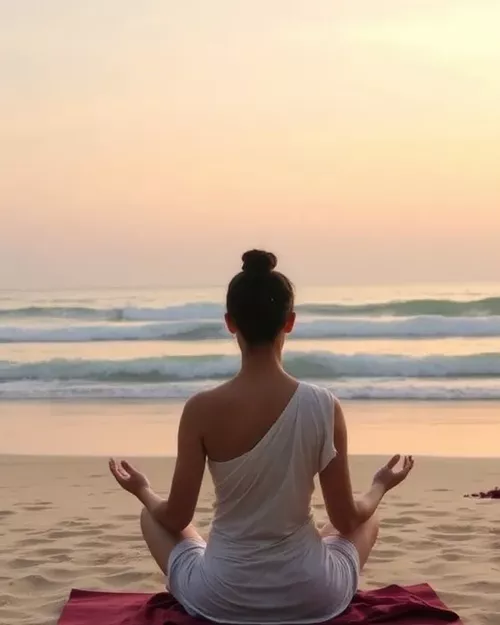
Beachfront Meditation Retreat

Culinary Heritage Tour

Adventure Water Sports

Heritage Village Exploration
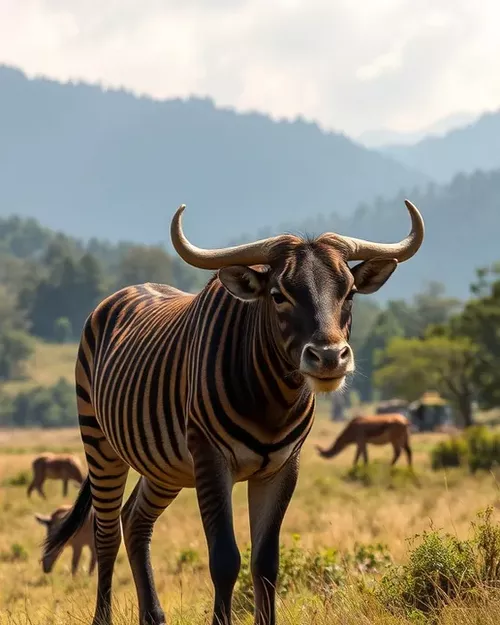
Wildlife Sanctuary Safari
Places To Visit

Tiger's Nest
HISTORICAL SITEIconic monastery on a cliff

Punakha Dzong
FORTRESSBeautiful riverside fortress

Paro Valley
VALLEYScenic and tranquil landscape

Phobjikha Valley
NATURE RESERVEHome to black-necked cranes

Jigme Dorji National Park
NATIONAL PARKRich biodiversity and landscapes

Chele La Pass
MOUNTAIN PASSSpectacular mountain views

Buddha Dordenma Statue
LANDMARKGiant golden Buddha statue

Gangtey Monastery
MONASTERYSpiritual and serene setting

National Museum of Bhutan
MUSEUMShowcases Bhutanese heritage

Khamsum Yulley Namgyal Chorten
BUDDHIST STUPAPeaceful and ornate stupa

Simtokha Dzong
FORTRESSOldest dzong in Bhutan

Drukgyel Dzong
FORTRESSHistorical ruins with mountain views

Chimi Lhakhang
TEMPLEFertility temple with unique history

Royal Manas National Park
NATIONAL PARKDiverse wildlife and ecosystems

Buddha Point
VIEWPOINTPanoramic views of Thimphu
Places To Eat

Ambient Cafe

Kalden Restaurant

Hayate Ramen

Namgay Artisanal Brewery

Wangchen Momo Corner, Thimphu

Ahara by NEC Restaurant

Sonam trophel restaurant

Babesa Village Restaurant
How to Reach
Places to Stay