Lalitpur in next 3 month
December in Lalitpur is cool and misty with moderate air quality, making it a pleasant time to visit.
Usual trip duration
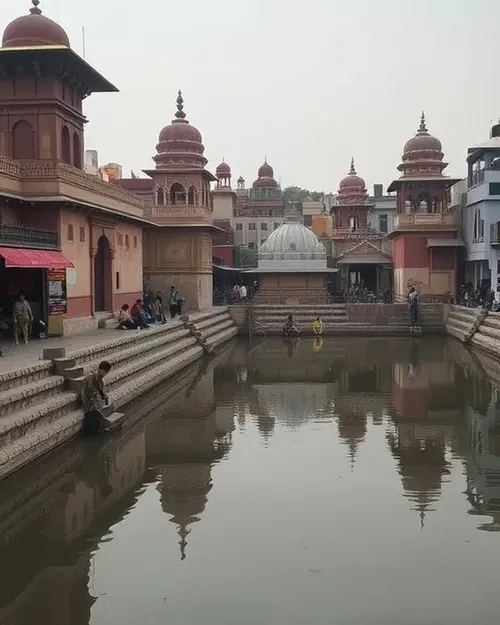
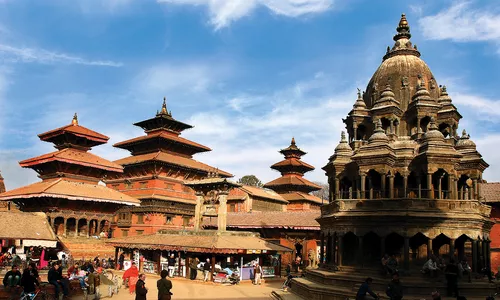
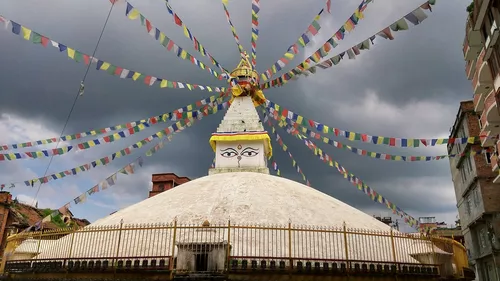
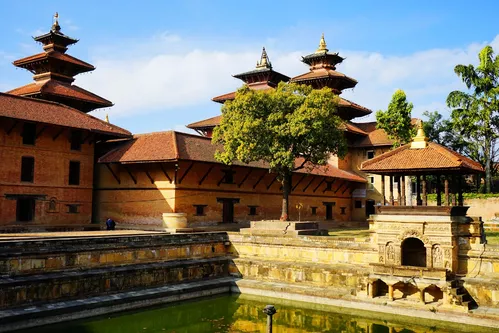
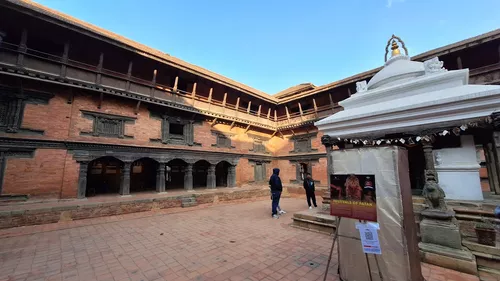
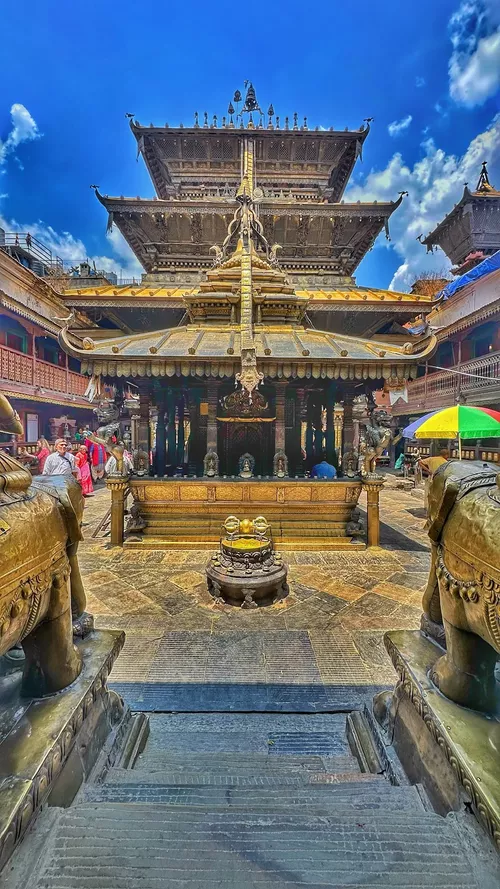
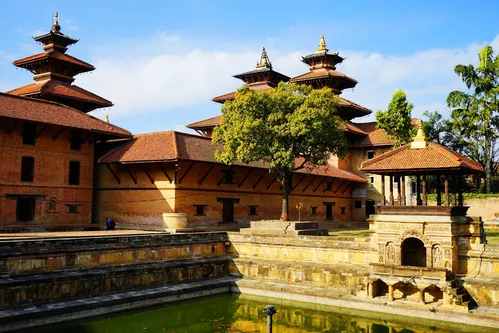
Explore the historical and cultural landmarks of Lalitpur, including the Patan Durbar Square, Krishna Mandir, and Golden Temple. Enjoy the local cuisine and immerse yourself in the traditional Newari architecture and art.
Affordable destination with low cost of living
The best time to visit Lalitpur, Nepal, is during the spring (March to May) and autumn (September to November) seasons. These months offer pleasant weather with clear skies and comfortable temperatures, making it ideal for exploring the city's cultural sites and enjoying outdoor activities. The spring season brings blooming flowers and lush greenery, while the autumn provides stunning views of the Himalayan ranges. Avoiding the monsoon season (June to August) is recommended due to heavy rainfall and potential disruptions to travel plans. Winter (December to February) can be chilly, especially in the evenings, but it offers a unique charm with fewer tourists and clearer visibility of the mountains.
Ultimately, the ideal time to visit Lalitpur depends on your preferences. If you prefer mild temperatures and clear skies, spring and autumn are excellent choices. If you enjoy cooler weather and don't mind bundling up, winter can be a rewarding experience. Just be sure to check the weather forecast before you go and pack accordingly!
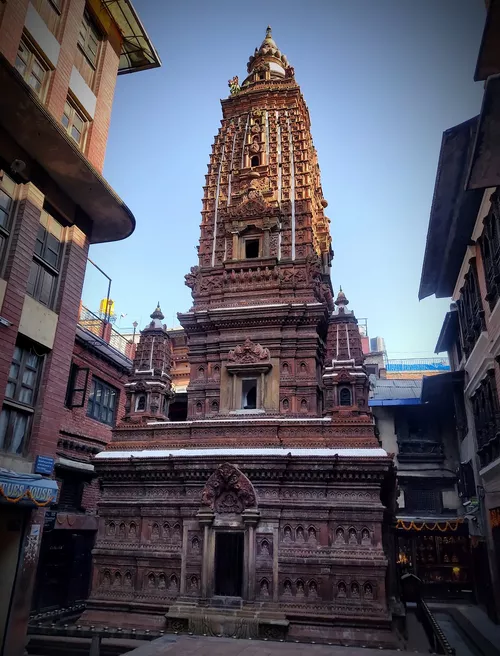
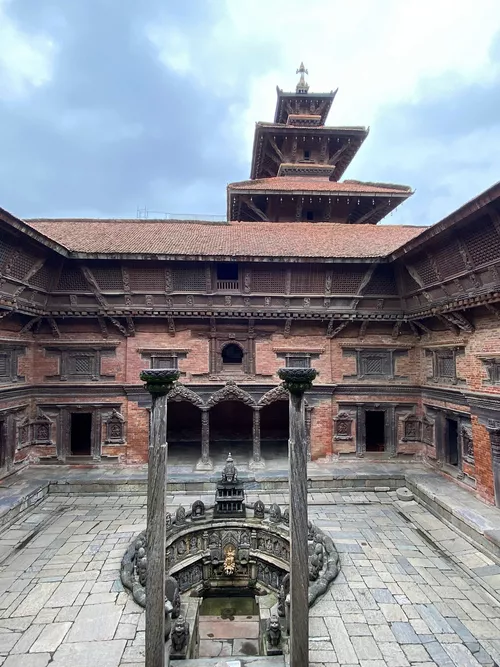
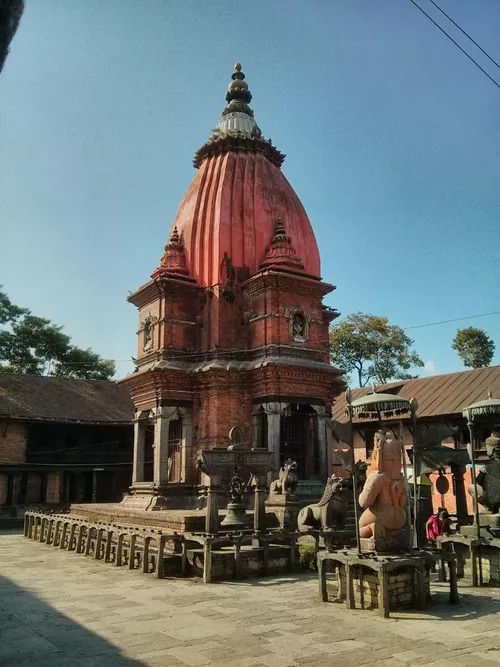
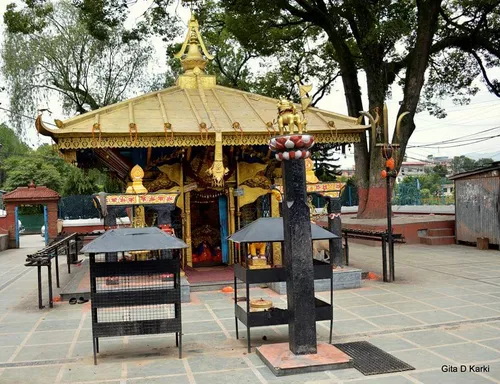
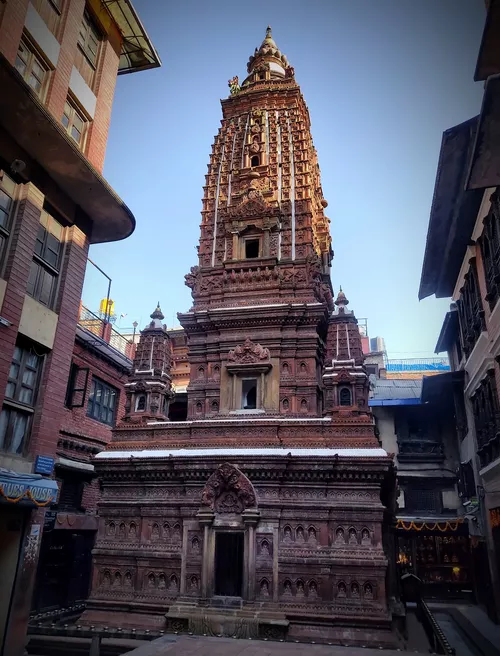
Lalitpur, also known as Patan, is a city brimming with historical and cultural attractions. Here's a list of some must-visit places:
Lalitpur is easily accessible from Kathmandu and other parts of Nepal. Here are the different ways to reach Lalitpur:
While there isn't a direct airport or train station in Lalitpur, its close proximity to Kathmandu makes it easily accessible by road. Consider traffic conditions when planning your journey, especially during peak hours.
Lalitpur offers a range of activities catering to different interests. Here's a list of fun and engaging things to do:
Lalitpur's location in the Kathmandu Valley makes it an excellent base for exploring nearby attractions. Here are a few popular destinations:
Lalitpur is a haven for shoppers seeking unique and authentic Nepali handicrafts. Here are some popular shopping spots:
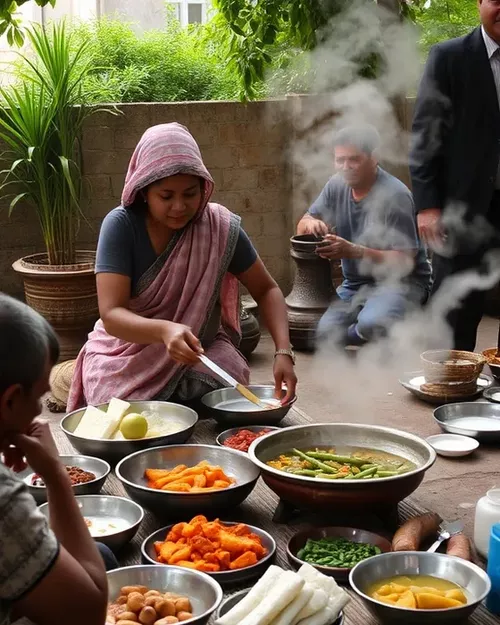
Lalitpur offers a delightful culinary experience with a mix of traditional Nepali cuisine and international flavors. Here are some recommendations:
Yes, Lalitpur is generally considered a safe city for tourists. Nepal, in general, is known for its hospitality and low crime rate. However, like any travel destination, it's essential to take certain precautions to ensure your safety and well-being.
Petty theft, such as pickpocketing, can occur in crowded areas, especially around popular tourist sites like Patan Durbar Square. Be mindful of your belongings and avoid leaving valuables unattended. It's also wise to avoid walking alone in dimly lit or deserted areas at night.
Be aware of scams targeting tourists. Always negotiate prices before hiring a taxi or purchasing goods from street vendors. It's a good idea to research reputable tour operators and hotels before making bookings.
Nepal is prone to earthquakes. Familiarize yourself with basic earthquake safety procedures and be aware of your surroundings. It's also advisable to register with your embassy or consulate before traveling to Nepal, and stay informed about any travel advisories or warnings issued by your government.
The local currency in Nepal is the Nepalese Rupee (NPR). It's advisable to have some cash on hand for smaller establishments, street vendors, and transportation. While credit cards are becoming more widely accepted, they are not as universally used as in some Western countries.
Major hotels, restaurants, and larger shops in tourist areas like Patan Durbar Square typically accept credit cards (Visa and MasterCard are the most common). However, smaller guesthouses, local eateries, and traditional craft shops may only accept cash.
ATMs are available in Lalitpur, particularly in the Patan area, but it's a good idea to check with your bank about international transaction fees before you travel. It's also wise to inform your bank of your travel plans to avoid having your card blocked due to suspicious activity. Exchanging currency can be done at the airport, banks, and licensed money exchange offices in Kathmandu and Lalitpur. It's generally recommended to exchange currency at official locations for better rates and to avoid scams.
Nepal is a culturally conservative country, and it's important to dress respectfully, especially when visiting religious sites. While there isn't a strict dress code enforced, modest clothing is appreciated. When visiting temples and monasteries, avoid wearing shorts, sleeveless shirts, or revealing clothing. Covering your shoulders and knees is a sign of respect.
Remove your shoes before entering temples, monasteries, and some homes. It's also customary to avoid pointing your feet at people or religious images, as this is considered disrespectful. Always walk clockwise around stupas and temples, as this is the traditional way of showing reverence.
When greeting people, a simple 'Namaste' (placing your palms together in a prayer-like gesture) is the most common and respectful greeting. Avoid public displays of affection, as this is not customary in Nepali culture. When eating with your hands (which is common in some Nepali households), use your right hand only, as the left hand is considered unclean. Always ask for permission before taking someone's photo, and be respectful if they decline.
Lalitpur is known for its vibrant festivals and cultural events. Experiencing one of these festivals can offer a unique glimpse into the city's rich traditions and heritage.
Rato Machhendranath Jatra: This is the most significant festival in Lalitpur, celebrated annually over several weeks. It involves pulling a chariot carrying the deity Rato Machhendranath through the city. The chariot procession is a spectacular sight, accompanied by music, dancing, and religious rituals.
Bunga Dyah Jatra: Another name for the Rato Machhendranath Jatra, the festival celebrates the deity of compassion and good harvest. It involves elaborate rituals and processions that attract thousands of devotees.
Krishna Janmashtami: Celebrates the birth of Lord Krishna, with devotees flocking to Krishna Mandir in Patan Durbar Square. The temple is beautifully decorated, and special prayers and bhajans (devotional songs) are held throughout the day.
Dashain: The longest and most important festival in Nepal, celebrated in September or October. It involves family gatherings, feasts, and animal sacrifices. While the main celebrations take place nationwide, Lalitpur also observes Dashain with great enthusiasm.
Tihar (Diwali): The festival of lights, celebrated in October or November. Homes and streets are illuminated with colorful lights and oil lamps. It's a joyous occasion with fireworks, sweets, and special prayers.
Lalitpur offers a variety of accommodation options to suit different budgets and preferences. From budget-friendly guesthouses to luxurious boutique hotels, you'll find a range of choices to make your stay comfortable.
Guesthouses: These are the most affordable option, offering basic but clean rooms. They are often family-run and provide a more intimate and authentic experience. Guesthouses are plentiful in the Patan Durbar Square area.
Budget Hotels: These offer slightly more amenities than guesthouses, such as private bathrooms and sometimes breakfast. They are a good option for travelers looking for a balance between price and comfort.
Mid-Range Hotels: These offer a higher level of comfort and service, with amenities such as restaurants, Wi-Fi, and air conditioning. They are a good choice for travelers looking for a more relaxing stay.
Boutique Hotels: Lalitpur has a growing number of boutique hotels, offering stylish and unique accommodations. These hotels often feature traditional Newari architecture and offer personalized service.
Homestays: For a truly immersive cultural experience, consider staying in a homestay. You'll have the opportunity to live with a local family, learn about their traditions, and sample home-cooked Nepali food.