Chhath Puja in Bihar: A Cultural Experience Worth Travelling For!
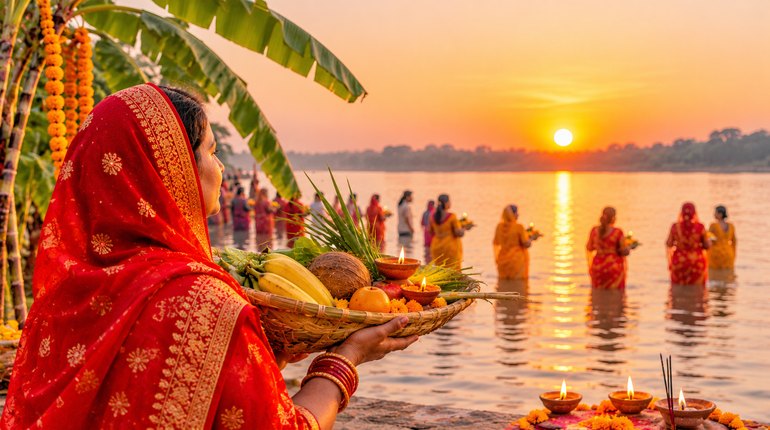
It is still dark when the ghats begin to fill. Women in bright saris walk barefoot towards the river, balancing bamboo baskets heaped with fruit, sugarcane and sweets. Families follow with lamps, and somewhere a speaker crackles with a folk song everyone knows by heart. Then, as the sun lifts over the Ganga, thousands of hands rise together to offer it water.
This is Chhath Puja. If you have never seen it in Bihar, it may be one of the most moving things you will ever witness in India. In 2026, it falls from 13 to 16 November.
Festive Trip on Your Mind?
A festival for the sun
Chhath is dedicated to Surya, the Sun God, and to Chhathi Maiya, a mother goddess believed to protect children and families. Devotees thank the sun for sustaining life and pray for the health and well-being of their loved ones.
Its roots run deep. Folk tradition links the fast to the epics, with stories of Sita and Draupadi observing it. Yet what strikes most visitors is its simplicity. There are no grand idols and no elaborate temple rituals, and no priest is needed. Just water, the open sky and a great deal of faith.
Four days of devotion
Nahay Khay (13 November): Devotees, known as vratins, bathe in a river or pond and eat a single pure vegetarian meal, often lauki (bottle gourd), chana dal and rice.
Kharna (14 November): A fast through the day, broken after sunset with rasiya (jaggery kheer) and roti. Then begins a nirjala fast of about 36 hours, without even a sip of water.
Sandhya Arghya (15 November): The main evening. Vratins stand waist-deep in water and offer arghya to the setting sun.
Usha Arghya (16 November): Before dawn, everyone returns to the ghat to greet the rising sun. Only then is the fast broken.
Chhath is one of the few festivals that honours the setting sun as well as the rising one, a quiet reminder that every ending holds a new beginning.
What makes it special
Chhath belongs to everyone. Neighbours sweep and decorate the lanes leading to the ghats, volunteers string up lights, and strangers hand you prasad without a second thought. Many families who have moved to Delhi, Mumbai or abroad travel home just for these four days.
Then there is the food. Thekua, a crunchy sweet made from wheat flour, jaggery and ghee, is the festival's signature offering, and you will find it in every basket.
And there are the songs. Chhath geet in Bhojpuri and Maithili fill the air, many of them made famous by the late folk singer Sharda Sinha. Even if you don't understand the words, you will feel them.
Where to experience it
Patna is the heart of the celebrations. Ghats along the Ganga, such as Collectorate Ghat and Gandhi Ghat, draw enormous crowds, and the riverfront glows with thousands of lamps.
For something more rooted in tradition, visit the ancient Sun Temple at Deo in Aurangabad district, where devotees gather in huge numbers. Smaller towns and villages across Bihar offer quieter, more intimate ghats, often with a local family happy to explain each ritual.
Planning your trip
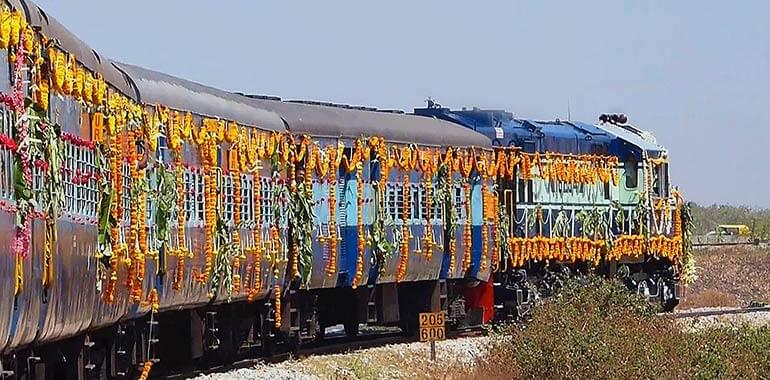
Book early. Trains to Bihar are packed around Chhath, and flights to Patna fill fast. Keep an eye out for festival special trains too.
Reserve your stay in advance, especially near the Patna riverfront.
Reach the ghat early for both arghyas. Crowds build hours before sunset and well before dawn.
Be respectful. Ask before photographing vratins, never step on offerings, and dress modestly.
Accept prasad with both hands. It is a blessing, not a snack.
Chhath doesn't ask you to understand everything. It simply asks you to show up, stand by the water, and watch an entire state turn to face the sun. That is reason enough to go.