destination

24th - 26th July 2026

Fuji Rock Festival — Travel Guide

Japan's biggest music festival, three days deep inside a mountain forest.

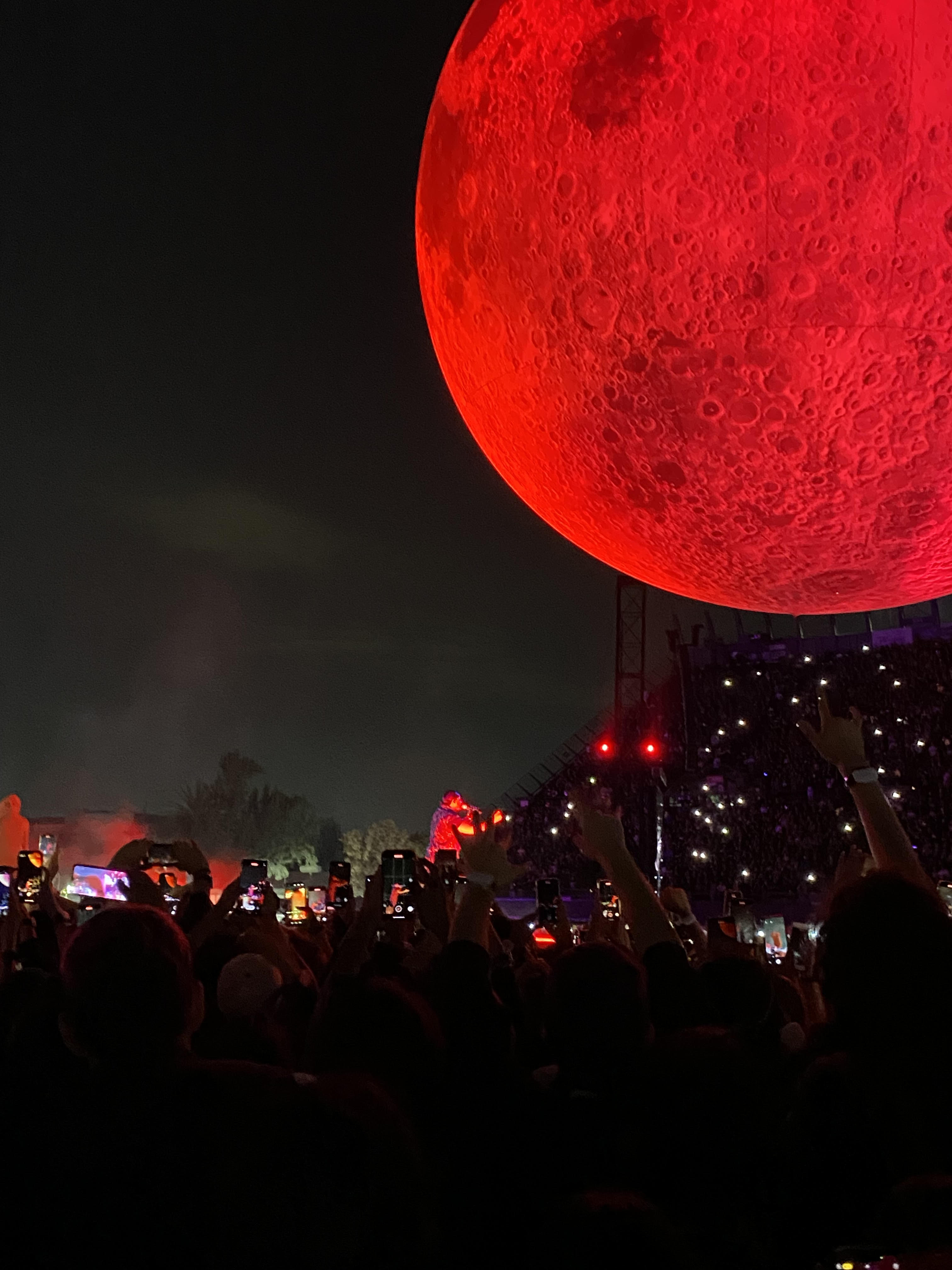
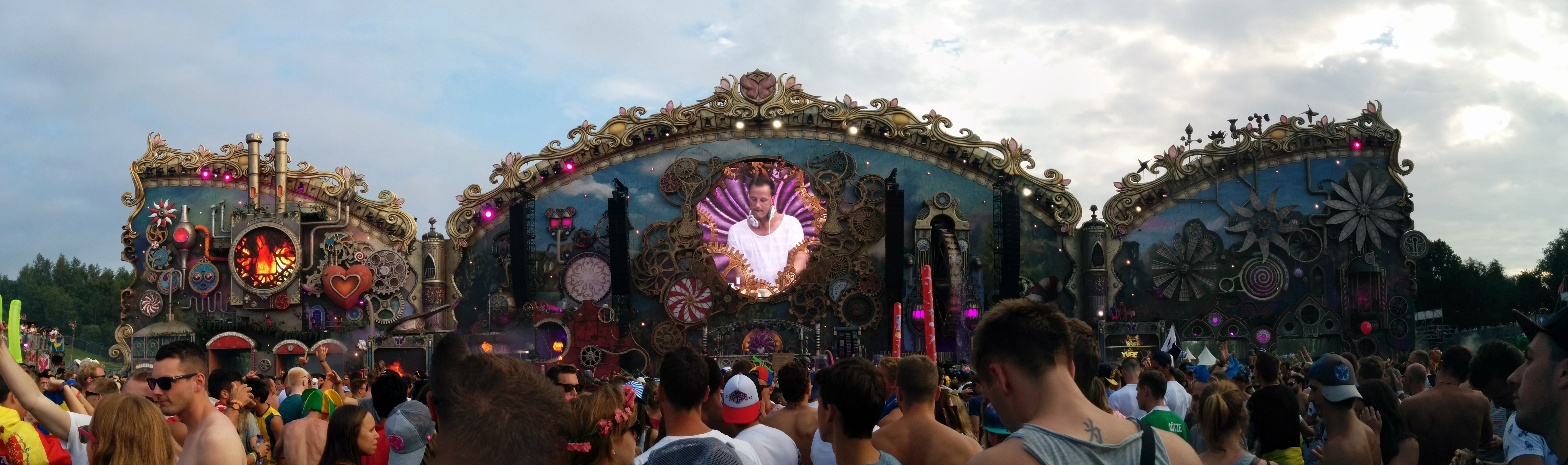
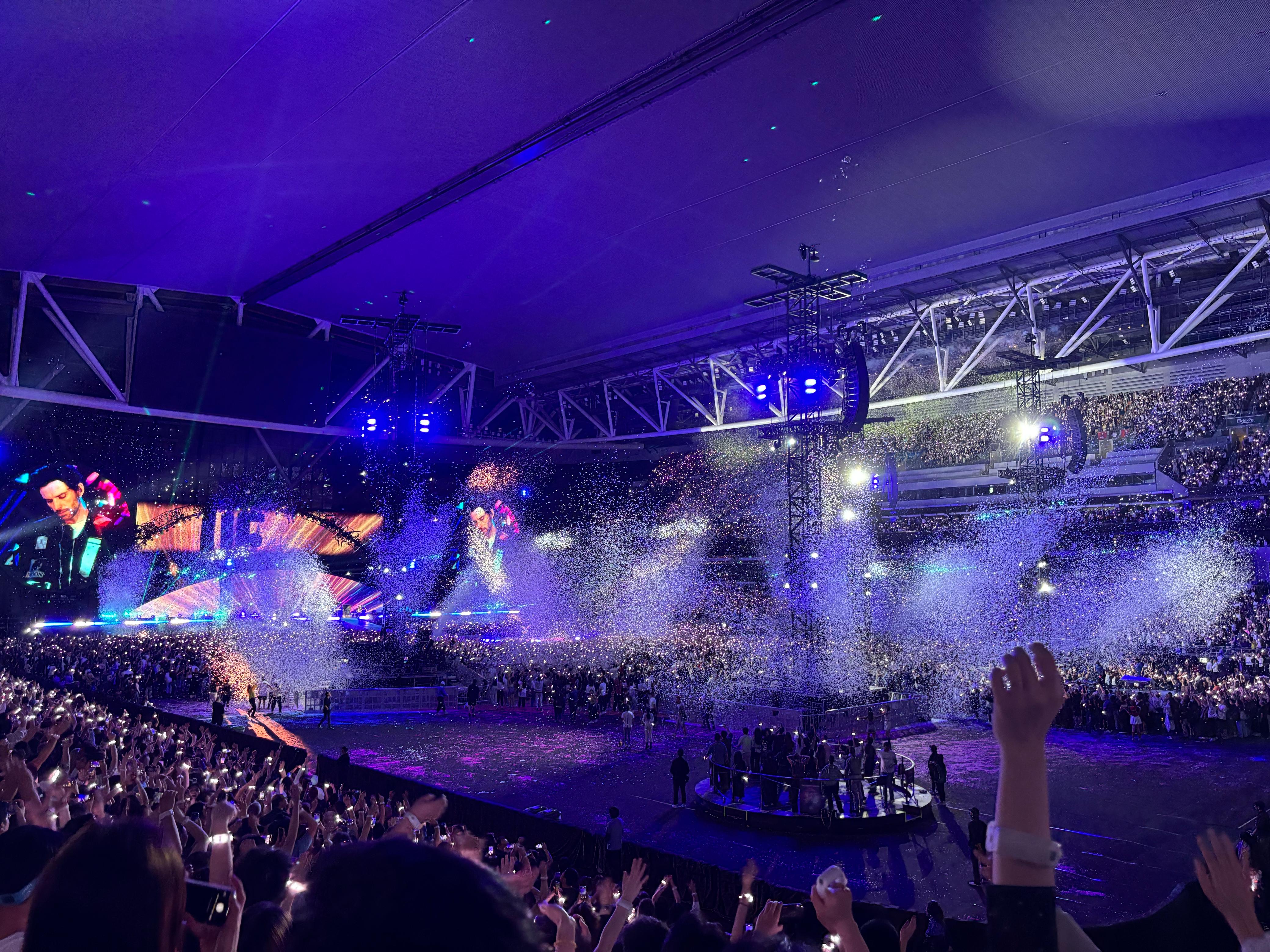
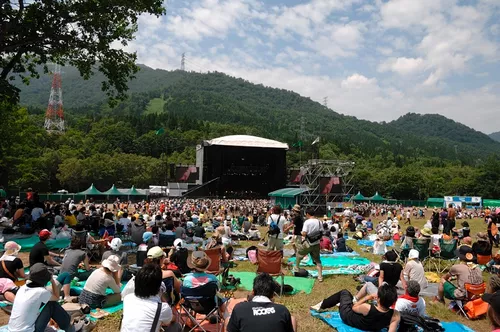
Imagine a music festival where the venue is a ski resort, the walk between stages runs through a forest, and a river flows past the food stalls. That is Fuji Rock, Japan's largest outdoor music festival, returning to Naeba Ski Resort in Niigata from 24 to 26 July 2026. More than 200 acts play across 10-plus stages over three days, and the 2026 lineup already includes Fujii Kaze, The xx, Khruangbin, Mitski, Mogwai, Arlo Parks, Hyukoh and Asian Kung-Fu Generation, with more names still being added. For Indian music fans this is the most accessible of the world's great festivals: a direct eight-hour flight from Delhi to Tokyo, a 75-minute bullet train to Echigo-Yuzawa, then a shuttle into the mountains. A three-day pass costs about ₹30,700 — less than half of what big European festivals charge — and the Japan visa starts at roughly ₹1,300. If you have ever wanted one festival story for life, start here.

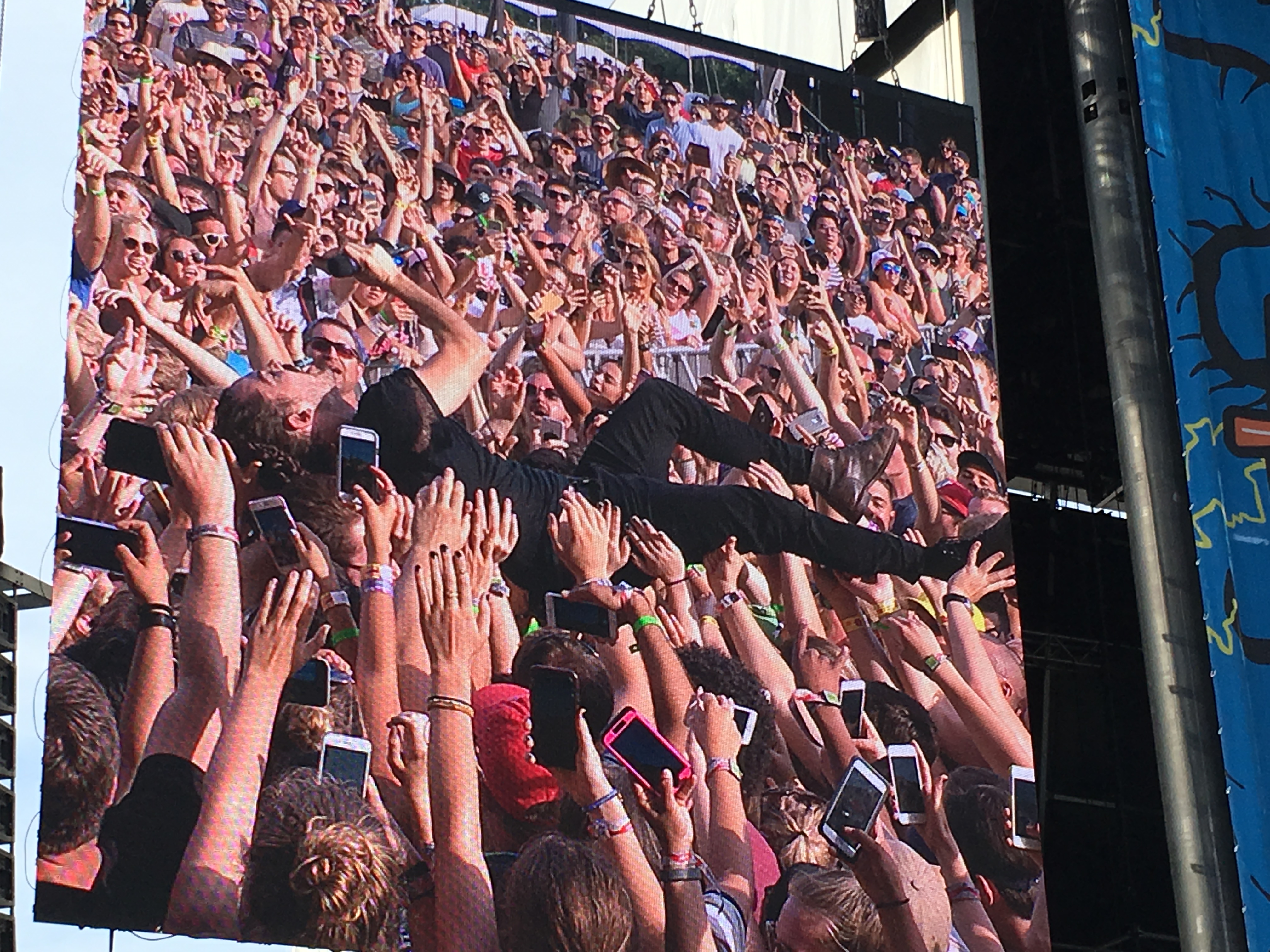
Fuji Rock feels nothing like a typical big festival, and that is the point. The crowd is famously gentle — people leave picnic mats unattended, queues form on their own, and the grounds stay so spotless that Fuji Rock is often called the cleanest festival in the world. Between sets you can ride the Dragondola, one of the world's longest gondola lifts, up the mountain to a hilltop stage, or cool your feet in the river beside the Café de Paris area. Food stalls serve everything from ramen to falafel, and vegetarians manage better here than in most of rural Japan. Nights end two ways: in the official campsite under mountain stars for about ₹3,100 for all four nights, or back in a Yuzawa onsen-town hotel soaking off the day. July in Naeba is warm by day and pleasantly cool at night, a genuine relief from a north Indian monsoon-season July.

Tokyo in next 3 month

jan

-13/12°C

AQI 24
feb

-9/11°C

AQI 26
mar

-4/16°C

AQI 34
apr

-3/22°C

AQI 37
may

1/25°C

AQI 35
jun

9/26°C

AQI 32
jul

15/30°C

AQI 30
aug

17/29°C

AQI 22
sep

8/28°C

AQI 23
oct

3/21°C

AQI 25
nov

-5/19°C

AQI 24
dec

-4/4°C

AQI 22

August in Japan continues to be hot and humid with occasional typhoons and moderate air quality.

Usual trip duration

1 week

A week-long trip to Japan allows you to explore the bustling city of Tokyo, visit historic temples in Kyoto, experience traditional tea ceremonies, and take a day trip to the iconic Mount Fuji.

Moderately expensive to very expensive

Japan can be moderately expensive to very expensive, with high costs for accommodations, dining, and transportation. However, there are budget-friendly options available, especially for accommodations and dining if you are willing to explore local options and travel during off-peak seasons. Prices can vary greatly depending on the region and the level of luxury desired.

Prices can vary based on the season and preferences.

Interesting facts

Fuji Rock is not held anywhere near Mount Fuji — the first edition in 1997 took place at the mountain's base, was wrecked by a typhoon, and the festival moved to Naeba in 1999. The name simply stayed.

It is regularly called the cleanest festival in the world; volunteers staff recycling stations and fans carry their own rubbish out, a habit Japanese football fans made famous at World Cups.

The Dragondola, which ferries festival-goers up the mountain to the Day Dreaming area, is about 5.5 km long — one of the longest gondola lifts anywhere.

The Green Stage, the main arena, holds close to 50,000 people, yet the festival's signature path between stages is a wooden boardwalk through forest built and maintained by volunteers.

The festival runs over 200 acts on 10-plus stages in three days, making it Japan's largest outdoor music event — and children under 15 enter free with a guardian.

Do’s and Don’ts

Buy tickets early on the official site or e-plus; Saturday 2026 pre-orders have already sold out.

Book Naeba/Yuzawa accommodation or the campsite (about ₹3,100) months ahead — beds near the venue are the scarcest thing at Fuji Rock.

Carry a light raincoat and waterproof shoes; mountain showers arrive with no warning even in July.

Ride the Dragondola at least once for the valley view, and keep an afternoon for the river and forest boardwalk.

Carry cash; many food stalls and the campsite area work better with yen than cards.

Vegetarians: look for falafel, veg ramen and curry stalls on the festival strip, and stock up at the Yuzawa convenience stores too.

Don't litter or leave anything at your spot; carrying your own rubbish to recycling points is the festival's core ritual.

Don't push to the front mid-set; Japanese crowds leave space and expect the same.

Don't plan a same-night return to Tokyo after the final headliner; shuttles plus train queues run late, so stay the night.

Don't bring glass bottles or umbrellas into the arena (raincoats are the norm).

Don't underestimate walking distances — stages stretch across kilometres of valley, so pace your day.

Don't wait for the full lineup to book flights; fares climb while you wait, and the headline names are already out.

Budget Breakdown

Travellers

0
1
1

Days

0
5
5

Flights

₹42,000

Stay

₹8,000

Local Transport

₹6,000

Dining

₹9,000

activities (incl. 3-day pass ₹30,700)

₹31,000

Visa

₹1,300

Total Estimated

₹97,300

Visa Details

Visa Starting From
₹1,300
Get Visa In
5–10 days
Documents Required:
Passport
Visa application form
Photographs
Cover letter
Day-wise itinerary
Return flight tickets
Hotel bookings
Event ticket
Bank statements
ITR

Things to do

All
amusement park
mountain
memorial
palace
castle
park
festival
island
art
shrine
aquarium
landmark
temple
museum
Tokyo Disneyland

4.6

Tokyo Disneyland

AMUSEMENT PARK

Magical and fun for all ages
Mount Fuji

4.6

Mount Fuji

MOUNTAIN

Iconic and breathtaking views
Hiroshima Peace Memorial Park

4.6

Hiroshima Peace Memorial Park

MEMORIAL

Historical and peaceful atmosphere
Kyoto Imperial Palace

4.4

Kyoto Imperial Palace

PALACE

Stunning architecture and gardens
Osaka Castle

4.4

Osaka Castle

CASTLE

Impressive and rich history
Nara Park

4.5

Nara Park

PARK

Deer and ancient temples
Sapporo Snow Festival

4.2

Sapporo Snow Festival

FESTIVAL

Spectacular ice sculptures
Okunoshima (Rabbit Island)

4.5

Okunoshima (Rabbit Island)

ISLAND

Adorable wild rabbits
Himeji Castle

4.6

Himeji Castle

CASTLE

Beautiful white fortress
Naoshima Art Island

3.7

Naoshima Art Island

ART

Contemporary art installations
Fuji-Q Highland

4.3

Fuji-Q Highland

AMUSEMENT PARK

Thrilling roller coasters
Hokkaido Shrine

4.5

Hokkaido Shrine

SHRINE

Tranquil and spiritual site
Osaka Aquarium Kaiyukan

4.4

Osaka Aquarium Kaiyukan

AQUARIUM

Diverse marine life exhibits
Meiji Shrine

4.6

Meiji Shrine

SHRINE

Serene forest oasis
Nagoya Castle

4.2

Nagoya Castle

CASTLE

Historic and majestic fortress
Shibuya Crossing

4.5

Shibuya Crossing

LANDMARK

Iconic and bustling intersection
Kinkakuji Temple

4.5

Kinkakuji Temple

TEMPLE

Golden pavilion and serene gardens
Universal Studios Japan

4.5

Universal Studios Japan

AMUSEMENT PARK

Exciting movie-themed attractions
Hakone Open-Air Museum

4.5

Hakone Open-Air Museum

MUSEUM

Sculpture park with Mt. Fuji views
Asakusa Sensoji Temple

4.5

Asakusa Sensoji Temple

TEMPLE

Ancient and vibrant temple complex

Restaurants

Gyopao Gyoza Shinjuku east

4.9

Gyopao Gyoza Shinjuku east

Sushi Akira

4.9

Sushi Akira

Nagami

4.9

Nagami

TenTempura Uchitsu

4.8

TenTempura Uchitsu

Nihonbashi Kaisen Don Tsujihan - Nihonbashi Branch

4.4

Nihonbashi Kaisen Don Tsujihan - Nihonbashi Branch

Takumi - Asian Cuisine & Sushi Bar

4.6

Takumi - Asian Cuisine & Sushi Bar

Tempura Ginya

4.7

Tempura Ginya

Tapas Molecular Bar

4.6

Tapas Molecular Bar

Sushi Kanesho

4.6

Sushi Kanesho

Kobe Beef Kaiseki 511

4.5

Kobe Beef Kaiseki 511

Ten Yokota

4.5

Ten Yokota

Kasahara

4.5

Kasahara

Oku

4.5

Oku

Empire Steak House Roppongi

4.4

Empire Steak House Roppongi

Sushi TAKAYA

4.4

Sushi TAKAYA

Munagi

4.4

Munagi

Asakusa Hirayama

4.4

Asakusa Hirayama

Shibuya Pchiten

4.4

Shibuya Pchiten

NOBU Tokyo

4.3

NOBU Tokyo

grill GRAND

4.1

grill GRAND

Frequently Asked Questions

When is Fuji Rock Festival 2026?

Fuji Rock Festival 2026 runs from Friday 24 July to Sunday 26 July 2026 at Naeba Ski Resort in Niigata, Japan. The campsite opens on 23 July. Dates are confirmed on the official festival site.

How much do Fuji Rock 2026 tickets cost?

A general-release 3-day pass costs ¥59,000, about ₹30,700, and 1-day tickets cost ¥25,000–26,000 (₹13,000–13,500). The campsite ticket is ¥6,000 (about ₹3,100) for all four nights. Saturday pre-orders have sold out, so book soon on the official site or e-plus.

How do I reach Fuji Rock from India?

Fly Delhi to Tokyo (direct, about 8 hours), take the Joetsu Shinkansen from Tokyo to Echigo-Yuzawa (about 75 minutes), then the festival shuttle bus to Naeba. Mumbai travellers add one stop, usually via Delhi, Singapore or Bangkok. The whole journey door-to-festival is doable in a day.

How much does a Fuji Rock trip cost from India?

A 5-day Fuji Rock trip costs about ₹97,000 per person if you camp and roughly ₹1.55 lakh mid-range from Delhi, including flights, the 3-day pass and visa. July is on average the cheapest month to fly to Tokyo from Delhi, which keeps the budget friendly. Luxury trips with hotels near the venue run about ₹3 lakh.

Who is performing at Fuji Rock 2026?

Announced names include Fujii Kaze, The xx, Khruangbin, Mitski, Mogwai, Arlo Parks, Hyukoh, Basement Jaxx and Asian Kung-Fu Generation. Over 200 acts will play across 10-plus stages, with more announcements before July. Tinariwen have cancelled their Friday slot.

Is camping at Fuji Rock worth it?

Yes, camping is the best-value and most atmospheric option — ¥6,000 (about ₹3,100) covers four nights on the mountainside next to the venue. Hotels in Naeba and Yuzawa cost far more and sell out months ahead. Bring a tent, a warm layer for night and earplugs.

Is Fuji Rock safe for first-time and solo travellers from India?

Yes, Fuji Rock is widely regarded as one of the safest large festivals anywhere, with a famously polite crowd and unattended belongings routinely left untouched. Solo travellers, families and even small children are a normal sight. Standard travel care still applies — keep your passport in your hotel or tent safe-bag.

Do I need a visa for Japan to attend Fuji Rock?

Yes, Indian passport holders need a short-term tourist visa, which starts at about ₹1,300 all-in and takes 5–10 working days through VFS. Approval rates for well-prepared Indian applicants are high, around 90% by consultancy estimates. Apply by mid-June 2026 to be safe for the late-July festival.

What is the weather like at Fuji Rock in July?

Naeba in late July is warm by day (around 25–30°C) and cool at night (15–18°C), with sudden mountain showers. Carry a raincoat, not an umbrella, since umbrellas are banned in the arena. The mountain air feels far fresher than a north Indian July.

Is vegetarian food available at Fuji Rock?

Yes, the festival's food strip includes vegetarian-friendly stalls — falafel, veg curry and veg ramen appear every year alongside the meat-heavy classics. Options are fewer than in an Indian food court, so grab veg snacks at Yuzawa convenience stores as backup. Carry a note in Japanese saying "no meat, no fish stock" to be safe.
playstore
appStore

© 2026 Le Travenues Technology Ltd. India. All brands are trademarks of their respective owners