


24x7 Customer Support
 Hassle-Free Bookings
Best Flight Offers
- Hassle-Free Bookings
24x7 Customer Support
From
To
Departure
Sun, 28 Apr
Return
Travellers & Class
1 Traveller, Economy
Special Fares (Optional):
Do More With ixigo
Offers For You
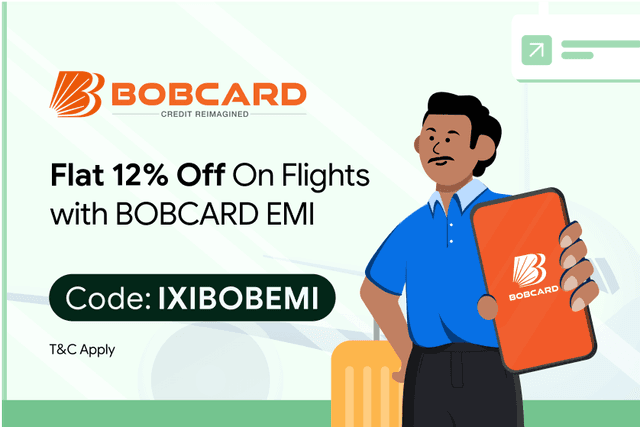


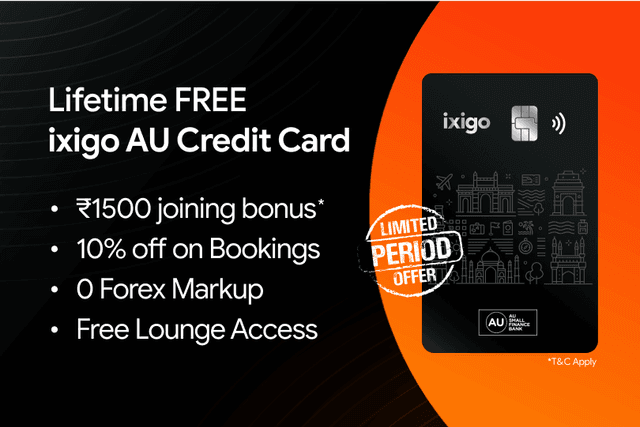



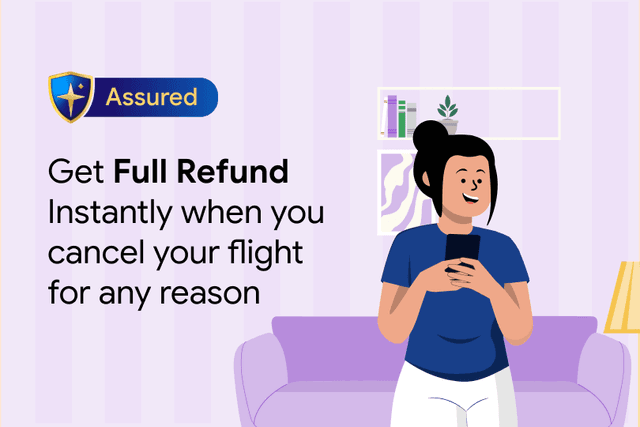



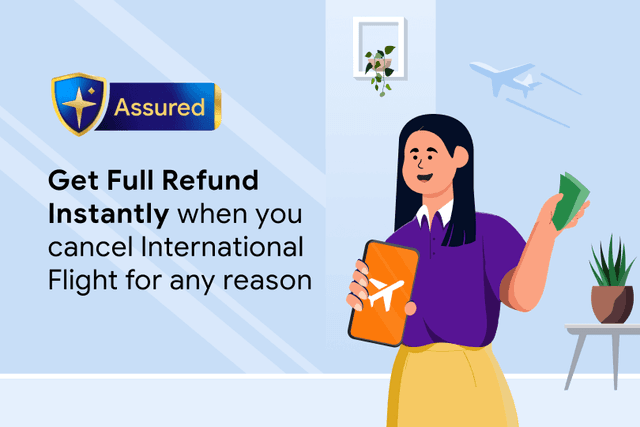
Why Book With ixigo?




Popular Flight Routes









Download the App

Get exclusive discounts

Receive instant fare alerts

Track flight status
4.5




News And Travel Stories















About ixigo
Launched in 2007, ixigo is a technology company focused on empowering Indian travellers to plan, book and manage their trips across rail, air, buses and hotels. We assist travellers in making smarter travel decisions by leveraging artificial intelligence, machine learning, and data science led innovations on our OTA platforms, comprising our websites and mobile applications. Our vision is to become the most customer-centric travel company, by offering the best customer experience to our users. Our focus on travel utility and customer experience for travellers in the 'next billion user' segment is driven by technology, cost-efficiency and our culture of innovation has made us India's leading travel ecosystem for the 'next billion users'.Our OTA platforms allow travellers to book train tickets, flight tickets, bus tickets, hotels and cabs, while providing travel utility tools and services developed using in-house proprietary algorithms and crowd-sourced information, including train PNR status and confirmation predictions, train seat availability alerts, train running status updates and delay predictions, flight status updates, bus running status, pricing and availability alerts, deal discovery, destination content, personalized recommendations, instant fare alerts, and automated customer support services. Read our travel stories where we cover everything - flight news, latest travel news, Indian Railways reservation updates, COVID-19 travel guidelines and restrictions and more. Let us help you plan your next vacation. Explore our website today.
Here's how we can help you:
| Flights | Book domestic as well as international flights on ixigo. Check Flight Status for domestic or international flights |
| Trains | Search and book train tickets. Check PNR status & Train running status. |
| Bus Booking | Choose from different types of buses. From state buses to luxury volvos, book them all on ixigo. |
| Hotels | Find thousands of cheap hotels on ixigo. We have something for every budget. |
Flight Booking on ixigo
ixigo flights app and website simplify flight booking. Travellers can finalise their bookings in just a matter of a few clicks. It's both simple and fast. Get free cancellation on your flight tickets. Also, we have multiple flight booking offers to help you save money.Domestic Flights on ixigo
We offer Cancellation protection on domestic flights. Get the cheapest domestic airfare with help of fare drop alerts. Our technology helps travellers book cheap flights, hotels and cabs on arrival or departure.International Flights on ixigo
Our helpful filters will assist in finding a suitable international destination for your next vacation. Get personalised recommendations on international flight ticket booking and hotels. All your travel needs are fulfilled in a few seconds.Here are some trending international destinations from popular Indian cities:
Online bus booking on ixigo
ixigo has made online bus booking completely easy, There is a joyful and straightforward booking process: Enter details- To and from cities, date and the number of bus tickets. Choose from a wide variety of buses suited for every budget.Indian Railway Reservation on ixigo
With ixigo, you can easily do train ticket booking as compared to the normal Indian railway reservation system. Search for your preferred train, check your PNR status, check train running status, explore Tatkal ticket booking and finalise your train trips. Enjoy ₹0 Payment Gateway fees on booking train tickets via UPI. ixigo offers multiple train booking offers.Read more
Delhi to Kolkata flights
Delhi to Hyderabad flights
Hyderabad to Ayodhya flights
Delhi to Ahmedabad flights
Bengaluru to Kolkata flights
Delhi to Dharmsala flights
Surat to Ayodhya flights
Chennai to Coimbatore flights
Mumbai to Ayodhya flights
Delhi to Patna flights
Delhi to Kolkata flights
Mumbai to Ahmedabad flights
Delhi to Chandigarh flights
Delhi to Amritsar flights
Bangalore to Pune flights
Mumbai to Chennai flights
Bengaluru to Kochi flights
Mumbai to Jaipur flights
Coimbatore to Chennai flights
Bengaluru to Kolkata flights
© 2024 Le Travenues Technology Ltd. India. All brands are trademarks of their respective owners.


